
CCTV drainage surveys
Pitch Fibre Drains
Pitch fibre drainage was commonly installed in the UK during the post-war period, particularly from the 1950s into the 1970s. Ageing pitch fibre can suffer deformation, delamination and other deterioration, so identifying the material and its current condition can be important when investigating drainage problems or buying a property.
What pitch fibre pipes are and where they were used
Pitch fibre drainage pipes were manufactured from fibre material impregnated with pitch and were widely used in UK drainage during the post-war period. They were installed for below-ground drainage in many residential developments.
Pitch fibre was used as a lightweight alternative to more traditional drainage materials and was installed in many post-war developments. The age of a property can indicate that pitch fibre may be present, but it does not confirm the pipe material. Records or a suitable inspection are needed where identification matters.
How to identify pitch fibre drains
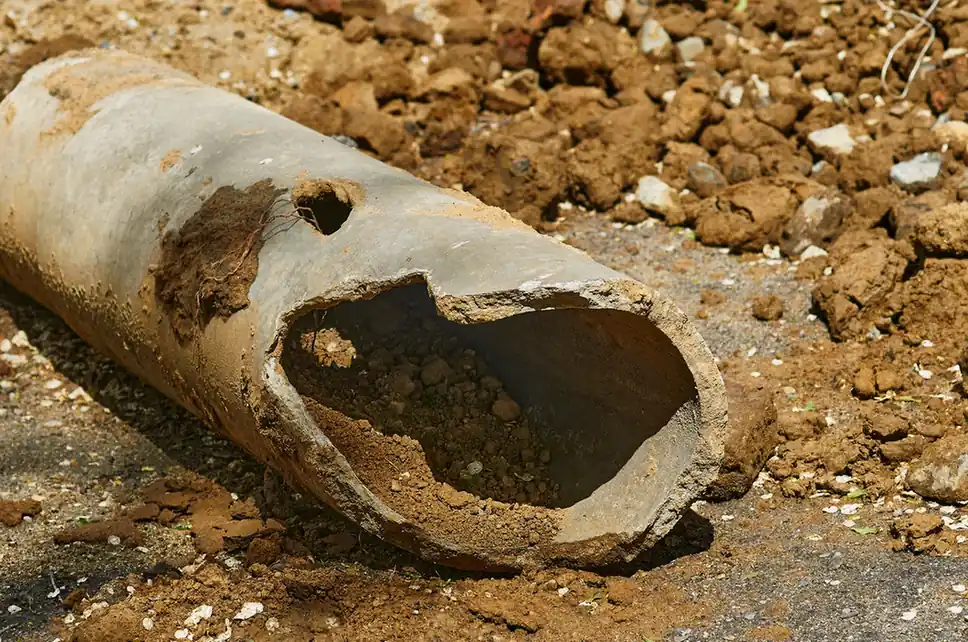
Pipe material may sometimes be identifiable at an accessible inspection chamber, but appearance alone should not be relied on where the identification affects a purchase or repair decision. Do not damage or disturb pipework simply to test the material.
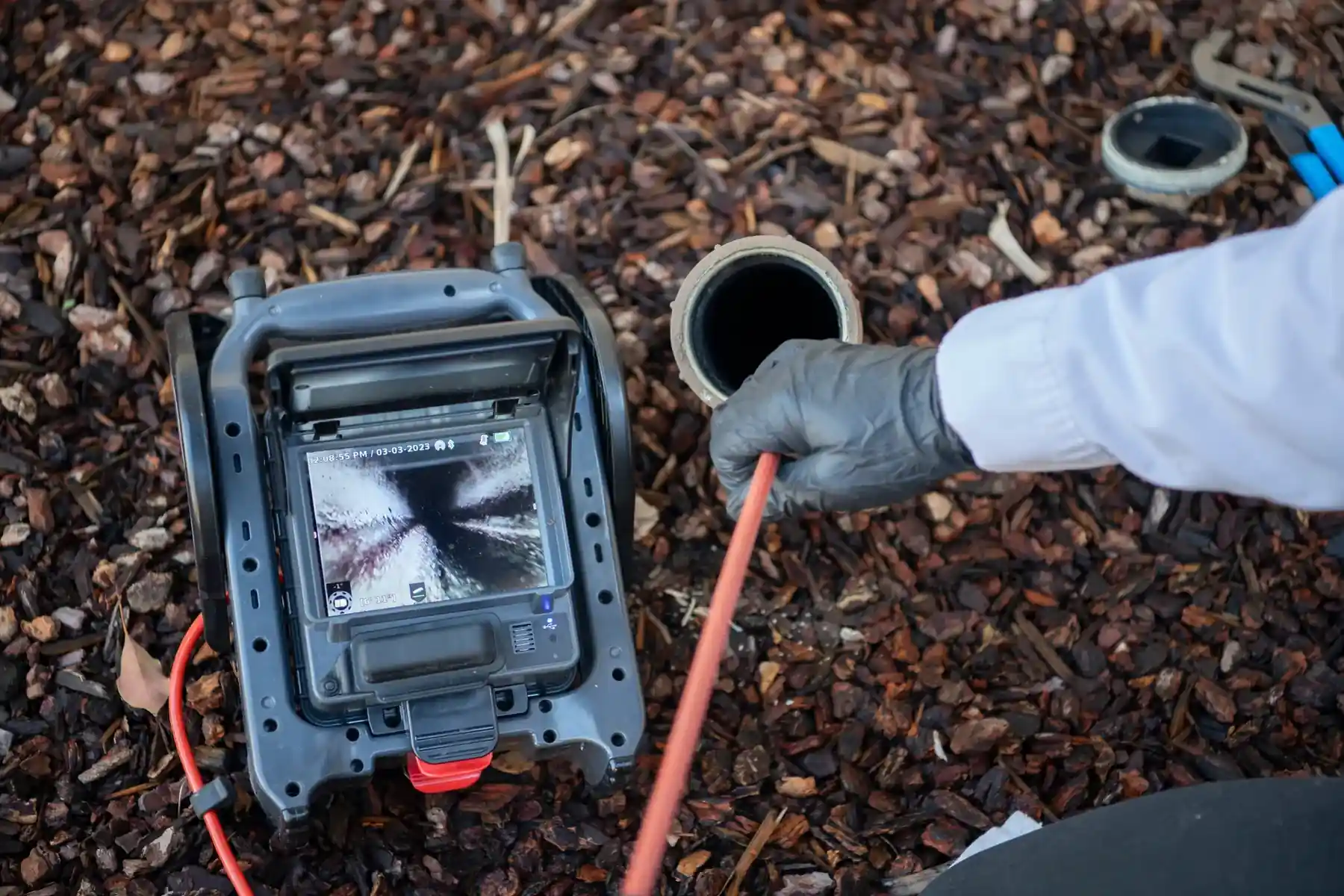
A CCTV drain survey can often help identify pitch fibre from its visible internal characteristics and can record deformation, deterioration and joint condition where these can be seen. If the material cannot be confirmed from the inspection, the report should say so rather than assume it.
Older drainage systems can contain more than one pipe material, particularly where sections have been repaired or extended. If the material is uncertain, it should be recorded as uncertain until it can be identified reliably.
Typical failure modes
Ageing pitch fibre can suffer deformation, with the pipe losing its original circular shape and reducing the available bore. CCTV surveys may also identify blistering or delamination of the internal surface, along with defects or obstructions affecting joints and connections.
The extent and significance of these findings vary from one run to another. A survey should record what is visible rather than assume that all pitch fibre pipework has deteriorated in the same way.
External loading, ground conditions, roots and the condition of the surrounding drainage can affect how a pitch fibre run performs. The presence of deformation or delamination should be assessed in the context of the individual pipe rather than used to predict a fixed rate of deterioration.
What a CCTV survey shows and what it cannot
A CCTV survey records the visible internal condition of accessible pipework. It can show findings such as deformation, blistering, delamination, cracks, holes, joint displacement and obstructions where these are visible. The survey may also help establish the pipe material and other details required by the agreed specification.
However, a CCTV survey cannot see through deposits or below the water level. It cannot detect every defect, especially those outside the visible surface. It does not measure the structural strength of the pipe. The survey report will describe what is visible, but it is not a guarantee that the pipe is sound. The contents and coding of the report depend on the agreed specification. Not every survey is graded. If you need a graded survey, ask for it in advance.
For pitch fibre, CCTV can record visible deformation, delamination, obstructions, root ingress and other defects. Those findings can then be used as part of a specialist assessment of whether maintenance, rehabilitation or replacement is appropriate.
Implications for buyers and landlords
If pitch fibre is known or suspected at a property you are buying, a CCTV survey can help establish its visible condition before you become legally committed to the purchase. If significant deterioration is found, you can investigate the repair options and likely cost before deciding how the findings affect your purchase.
For landlords and property managers, a CCTV survey can provide a condition record where pitch fibre is suspected or recurring drainage problems are being investigated. The findings can be used to plan appropriate maintenance or obtain advice on repair options.
If you are buying a property, a homebuyer drain survey can record the visible condition of accessible drainage before exchange and identify areas that may need further investigation.
Repair and replacement options
Repair options depend on the condition, shape, location and accessibility of the pitch fibre pipe. Specialist techniques can include preparation or re-forming of suitable pipework, relining and local or full replacement.
Not every pitch fibre drain is suitable for a no-dig repair. Significant deformation, collapse, access restrictions or other defects may change the available options. A CCTV survey and repair assessment should establish whether the existing pipe can be prepared for the proposed method. For more information, see drain survey before relining.
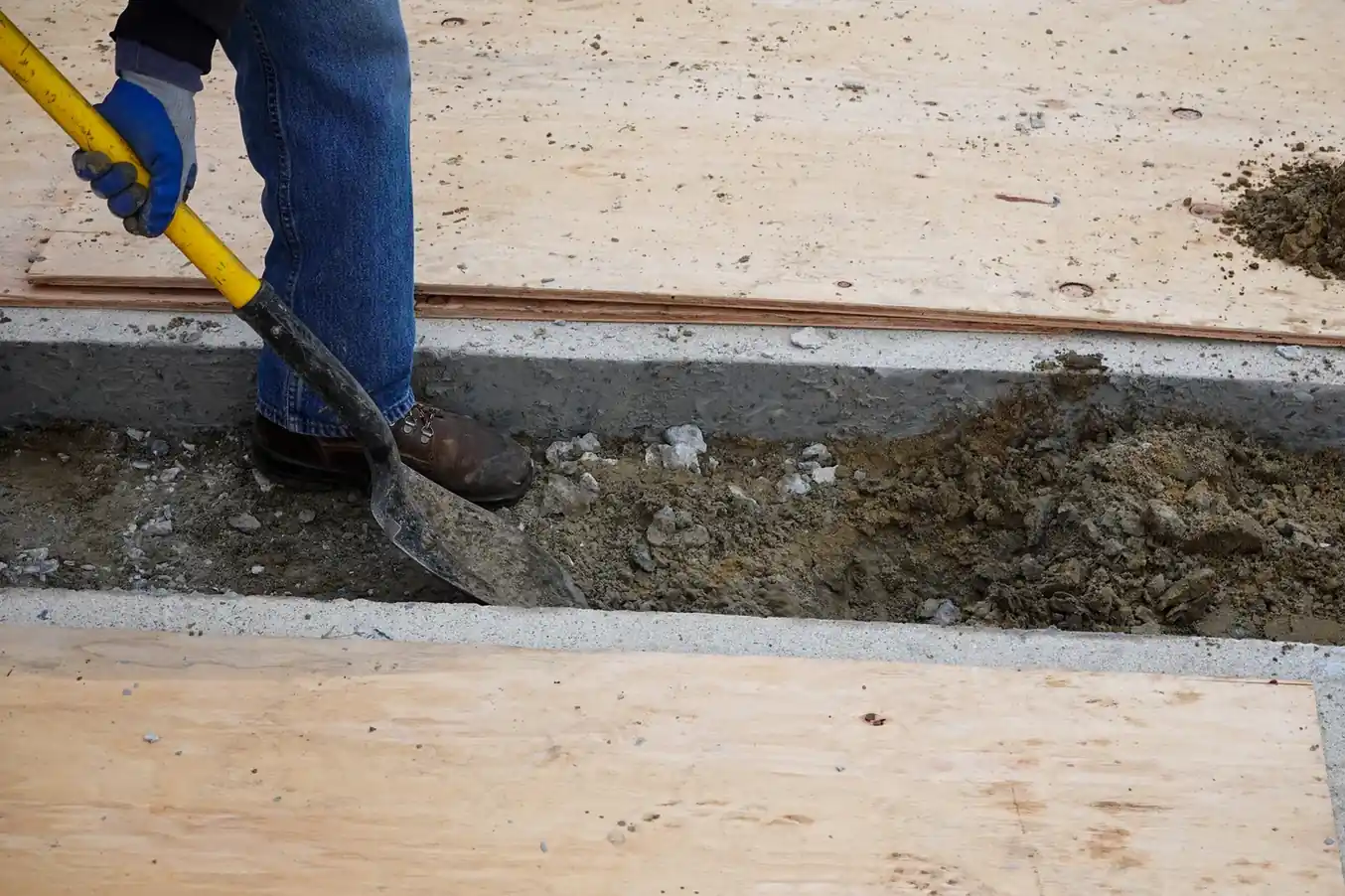
Where rehabilitation is not suitable, excavation and replacement may be considered. The appropriate method and extent of work need to be determined from the condition and location of the individual run.
The condition of adjoining pipework, joints and the surrounding site may also affect the repair specification.
What to do next
If you suspect your property has pitch fibre drains, we can help with CCTV drain inspection to record the visible condition of accessible pipework and help establish whether pitch fibre is present. The findings can then be used to decide whether further assessment or repair advice is needed.
If you are buying a property, you may want to ask for a homebuyer drain survey. This is designed to give you useful drainage information before you become legally committed to the purchase.
If you are a landlord or property manager, a commercial drain survey can help you plan maintenance and manage risk.
For more general information, see our drainage survey page.
Safety and standards
Drainage work can involve confined spaces. Where the Confined Spaces Regulations 1997 apply, entry should be avoided where possible. If entry is unavoidable, a safe system of work and adequate emergency arrangements are required. CCTV inspection can often be carried out without anyone entering the drain or sewer.
In England, Approved Document H of the Building Regulations gives guidance on drainage and waste disposal. It covers pipe sizes, protection of pipes and manholes. The requirements differ in Wales, Scotland and Northern Ireland. If you are planning work, check the rules that apply in your nation.
Any repair work should be planned around the actual condition of the drainage and the requirements that apply to the site and proposed work.
Free online tool
Build Over Agreement Checker
Check what to ask your sewerage company before building near a drain or sewer.
Common questions
Frequently asked questions
How can I tell if my drains are pitch fibre?
Pitch fibre may sometimes be recognisable at an accessible chamber or during a CCTV inspection, but appearance alone is not always conclusive. Where identification affects a purchase or repair decision, ask for the pipe material to be confirmed as far as the inspection allows and for any uncertainty to be stated in the report.
When were pitch fibre drains used?
Pitch fibre drainage was widely used in the UK during the post-war period. The age of a property can indicate that pitch fibre may be present, but it does not confirm the pipe material.
Can pitch fibre drains be repaired?
Often, but the appropriate method depends on the condition, shape, location and accessibility of the pipe. Specialist preparation, relining or replacement may be considered after the drain has been inspected and the proposed repair method assessed for that particular run.
Does a CCTV survey always show the full condition of pitch fibre drains?
No. A CCTV survey shows visible internal surfaces. It cannot see through deposits or below the water level, and it does not measure structural strength. The report describes what is visible, but it is not a guarantee that the pipe is sound.
Request a quote
Complete the form and we will get back to you.