
CCTV drainage surveys
Drain Survey Access Requirements
A drain survey is only as good as the access available on the day. Chambers may be buried, covers locked or vehicles parked over them. This guide explains what surveyors need, what can be done when access is limited, and where results may be restricted.
Why access determines the survey
A CCTV drain survey needs a clear route into the pipe. The camera travels from a known entry point, usually a manhole, inspection chamber, rodding eye or open end. If that entry point cannot be opened, or the pipe is full of debris or standing water, the survey may stop short of the area that matters.
Access is not just about lifting a cover. Surveyors need to identify the correct chamber, confirm the direction of flow, check whether the pipe is live, and decide whether the camera can pass safely. On older properties, chambers may be covered by paving, decking or a shed. On commercial sites, a chamber may sit inside a locked yard or beneath a loading bay.
We can help with drain survey access planning, including what to clear, who to notify and what to do when a chamber cannot be found. The aim is to avoid a wasted visit and to make sure the survey covers the pipework you actually need to see.
Chambers, covers and entry points
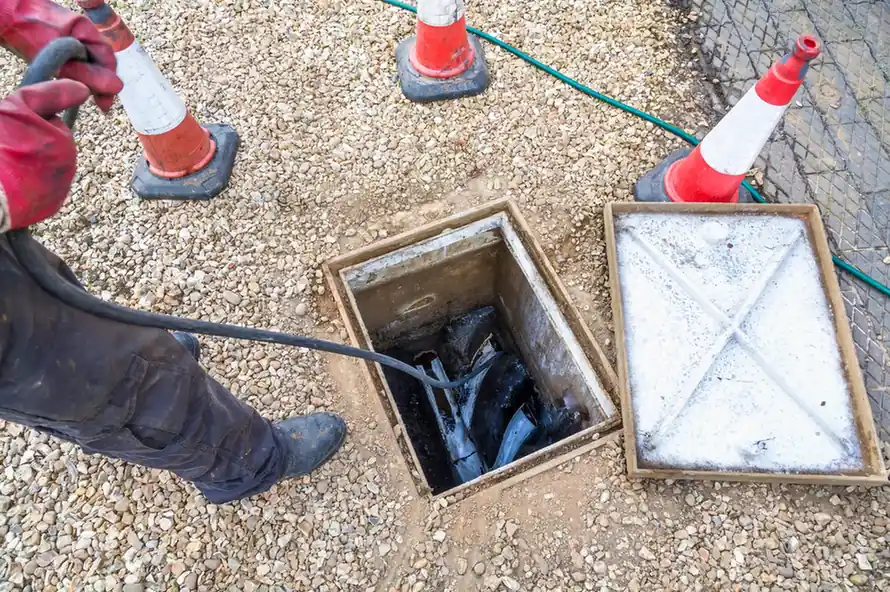
Most surveys start at a manhole or inspection chamber. A standard chamber has a removable cover and a channel at the base that directs flow. The camera enters through the channel and travels downstream or upstream, depending on the survey specification.
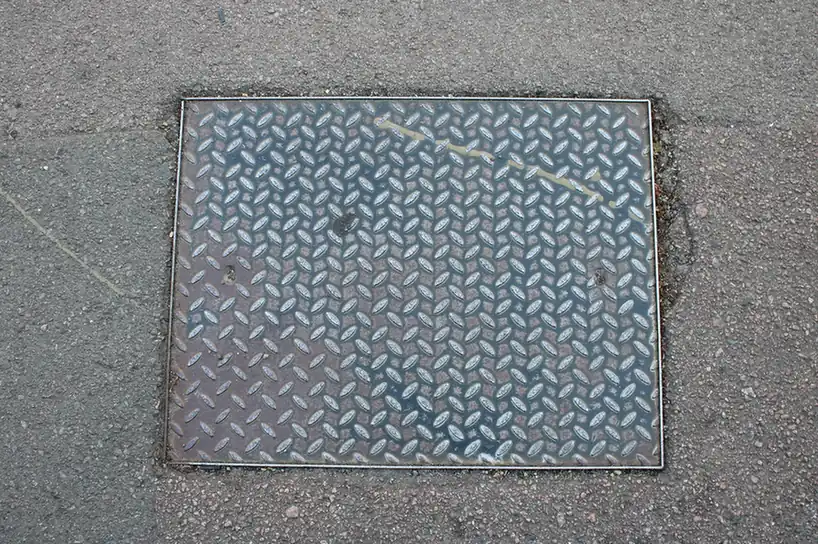
Problems arise when covers are seized, damaged or buried. A cover that has not been lifted for years may need careful freeing. If it is surrounded by tarmac or concrete, breaking out may be needed, and that is a separate job from the survey itself. Some chambers are inside buildings, under floorboards or behind fitted units. Others are in gardens where the cover has been grassed over.
Rodding eyes and open pipe ends can sometimes be used instead of a chamber. They are smaller and may not allow the camera to turn into the main run. A surveyor will confirm whether the entry point is suitable before the camera is inserted.
Permission and occupied premises
Permission is needed before entering private land, locked buildings or shared areas. For a homebuyer survey, the seller or occupier usually provides access. For a commercial site, facilities or security staff may need to unlock gates and escort the surveyor.
If a chamber sits under a neighbour’s land or in a shared courtyard, access may need to be arranged separately. In some cases, a survey can be done from the public highway or from an accessible chamber on the property, but the coverage may be limited.
Where a survey is required for a build over project, the water company may need to see specific pipe runs. Access to those runs should be confirmed before the survey is booked. The build over CCTV survey page explains how those surveys are usually specified.
Vehicles, traffic and safe working
Parked vehicles are a common reason for a delayed survey. A car over a chamber may need to be moved before the cover can be lifted. On busy roads, a survey may need traffic management or a quiet period to reduce risk.
Surveyors also need space to set up equipment and to work safely. A chamber in the middle of a driveway may be accessible, but the surveyor still needs a safe place to stand and to run cables. On industrial sites, moving machinery and vehicle routes must be controlled.
If access is only possible at certain times, say so when booking. Early mornings, weekends or shutdown periods may be needed for some sites. The commercial drain survey page covers how access is planned for larger premises.
Wastewater levels and cleaning
A CCTV camera needs to see the pipe wall. If the pipe is full of water, the camera may only show the surface. If it is full of silt, grease or roots, the camera may not pass at all.
Water may be present in foul and combined drains, and the surveyor will note the level and whether it affects the inspection. If the pipe is heavily silted, cleaning may be needed before the survey. Cleaning may need to be scoped separately, and the method depends on the pipe material and the debris present.
Do not assume that a survey will include jetting or rodding. If the pipe is blocked, the survey may need to be rearranged after clearance. For pipes that cannot be cleaned, the report should state the limitation clearly.
Confined space and safety controls
Most drain surveys are done from outside the chamber. The camera and cable are inserted from ground level, and no one enters the drain. That is the preferred approach under the Confined Spaces Regulations 1997, which require employers to avoid entry where possible.
If entry is unavoidable, it must follow a safe system of work with adequate emergency arrangements. That is competent specialist work, not a routine part of a CCTV survey. A surveyor who is not trained and equipped for confined space entry should not enter a chamber.
Safety also covers gas, traffic, working at height and manual handling. These are assessed before the visit. If a chamber is in a confined area with poor ventilation, the survey may be done remotely or not at all.
What a survey can and cannot show
A CCTV survey shows the visible internal surfaces of the pipe. It can reveal cracks, displacement, roots, scale, grease and blockages. It cannot see through deposits, and it cannot detect every defect. A pipe that looks sound on camera may still have a hidden problem outside the visible range.
Report contents and coding depend on the agreed specification. Not every survey requires MSCC5 coding or separate condition grading. If you need a specific coding or grading requirement, confirm it before the survey is booked. The MSCC5 drain survey page explains how coding is applied.
Water company requirements must be confirmed before a survey is specified. Different companies ask for different coverage, and some require a survey before they will consider an application. A build over checker gives questions to ask the water company; it does not give permission.
Planning access before the visit
Good access planning saves time and avoids a repeat visit. Before booking, check the following:
- Are the chamber covers visible and liftable?
- Are vehicles parked over any covers?
- Is permission needed from a neighbour, landlord or site manager?
- Is the pipe known to be blocked or heavily silted?
- Are there any locked gates, alarms or access restrictions?
- Is a specific coding standard or water company format required?
If you are unsure, send photos of the covers and the surrounding area. That helps confirm what is likely to be possible. We can help with access questions for drainage surveys and sewer CCTV surveys across different property types.
For surveys linked to a property purchase, the homebuyer drain survey page sets out what is usually included. For mapping and connectivity, see drain mapping.
Free online tool
Build Over Agreement Checker
Check what to ask your sewerage company before building near a drain or sewer.
Common questions
Frequently asked questions
Can a drain survey be done if the chamber cover is buried?
Sometimes. A buried cover may need to be exposed before the survey. If it cannot be found or lifted, the surveyor may use another entry point or record the limitation. Breaking out paving or concrete is a separate job and should be discussed before the visit.
Do I need to move my car for a drain survey?
If a vehicle is parked over a chamber or access route, it will usually need to be moved. The surveyor needs to lift the cover and work safely. Tell the booking team about any parking restrictions or shared driveways.
Will the survey include cleaning the drain?
Not usually. A CCTV survey records the condition of the pipe. If heavy silt, grease or roots prevent the camera from passing, a clean may be needed first. Cleaning is a separate activity and the method depends on the pipe and debris.
Does a CCTV survey show every defect?
No. A camera shows visible internal surfaces. It cannot see through deposits or detect every defect outside the visible range. The report should state what was inspected and any limitations.
Is confined space entry part of a standard drain survey?
No. Most surveys are done from outside the chamber. If entry is unavoidable, it must follow a safe system of work with emergency arrangements. That is competent specialist work and is not a routine part of a CCTV survey.
Request a quote
Complete the form and we will get back to you.