
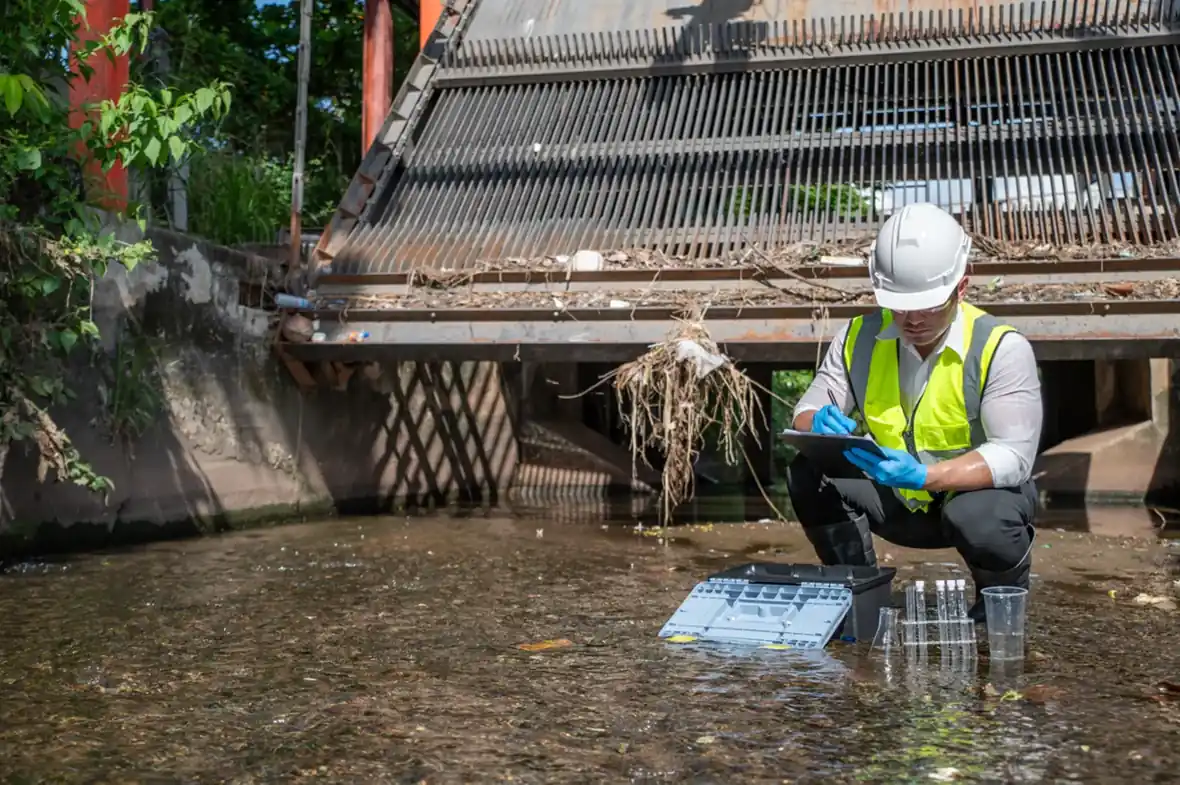
CCTV drainage surveys
Thames Water Build Over Agreement
Building near or over a public sewer can require Thames Water's consent before work starts. Whether a formal application is needed depends on the sewer, its position and the proposed structure. We can help with CCTV surveys where you need to establish the sewer's visible condition or provide survey information requested for the project.
What a Thames Water build over agreement is
A build over agreement records Thames Water’s consent for qualifying work close to or over its public sewerage assets. Where an agreement is required, construction should not start before the relevant approval is in place. Thames Water states that unauthorised work can create building-control and property-sale issues, and it retains statutory powers to protect access to and the integrity of its sewer network.
Thames Water’s current guidance says a build over application is likely to be needed for work within 3 metres of a public sewer or within 1 metre of a public lateral drain. The sewer size affects the application class and technical requirements. A build over agreement is separate from planning permission and building regulations approval. It deals with the sewer, not the wider development.
An independent CCTV survey can record the visible condition of a sewer affected by proposed building work. Thames Water may require its own inspection or additional evidence, and the CCTV report does not constitute permission to build over the sewer.
Thames Water does not normally permit a new dwelling to be built over a public sewer. Its published guidance directs applicants towards sewer diversion for new properties, including new detached car ports and sheds. A diversion may therefore be necessary rather than a conventional build over agreement.

When consent is likely to be needed
Thames Water’s published criteria focus on how close the proposed structure is to a public sewer and whether the sewer will be covered. As a general guide, consent is likely to be needed where:
- an extension is within the clearance Thames Water specifies for the public sewer or lateral drain;
- the sewer will pass beneath a new structure, including a conservatory, garage or extension;
- a manhole or inspection chamber will be covered, moved or replaced;
- foundations, piling or ground beams will be within the zone of influence of the sewer.
Some works may fall outside the build over application criteria, but the current Thames Water guidance should be checked against the actual proposal. The position of the sewer and the nature of the work determine whether a formal application is needed, while sewer size and site details affect the class and technical requirements. A sewer record and, where useful, a site survey can help establish the relevant facts.
Pipe size, depth and manhole rules
Thames Water states that work within 3 metres of a public sewer or within 1 metre of a public lateral drain is likely to need an application. Its published fee bands distinguish Class 1 sewers up to 175 mm, Class 2 from 176 mm to 350 mm, and Class 3 over 350 mm. Thames Water’s technical requirements should be checked for the proposed work because size alone does not determine whether a design is acceptable.
Manholes and inspection chambers need particular attention because Thames Water requires access to its network. Its current guidance says that an existing manhole within the proposed building area must be relocated and that internal manholes are not permitted. Any relocation should follow the requirements agreed with Thames Water.
Approved Document H covers foul water drainage, pipe sizes, protection of pipes, manholes and inspection chambers in England. It is statutory guidance for building work, not a substitute for Thames Water’s own consent process. Where a proposal affects a sewer, both sets of requirements can apply.
Formal application or self-certification
Thames Water’s process generally asks for a plan showing the sewer, the proposed structure and the foundation design, along with the relevant fee. The company reviews the submission and may ask for changes, additional information or a survey. If the proposal meets its criteria, it may grant consent with conditions. If not, it may refuse or require a diversion.
Not every project near a sewer qualifies for a standard build over agreement. Some proposals require a sewer diversion instead. Thames Water considers the position and size of the sewer, the proposed foundations and access for future maintenance. Planning permission or building control approval does not replace Thames Water’s consent.
Our build over CCTV surveys page explains how camera inspections record the condition of pipes affected by building work. Thames Water determines whether independent footage is acceptable or whether it requires its own inspection.
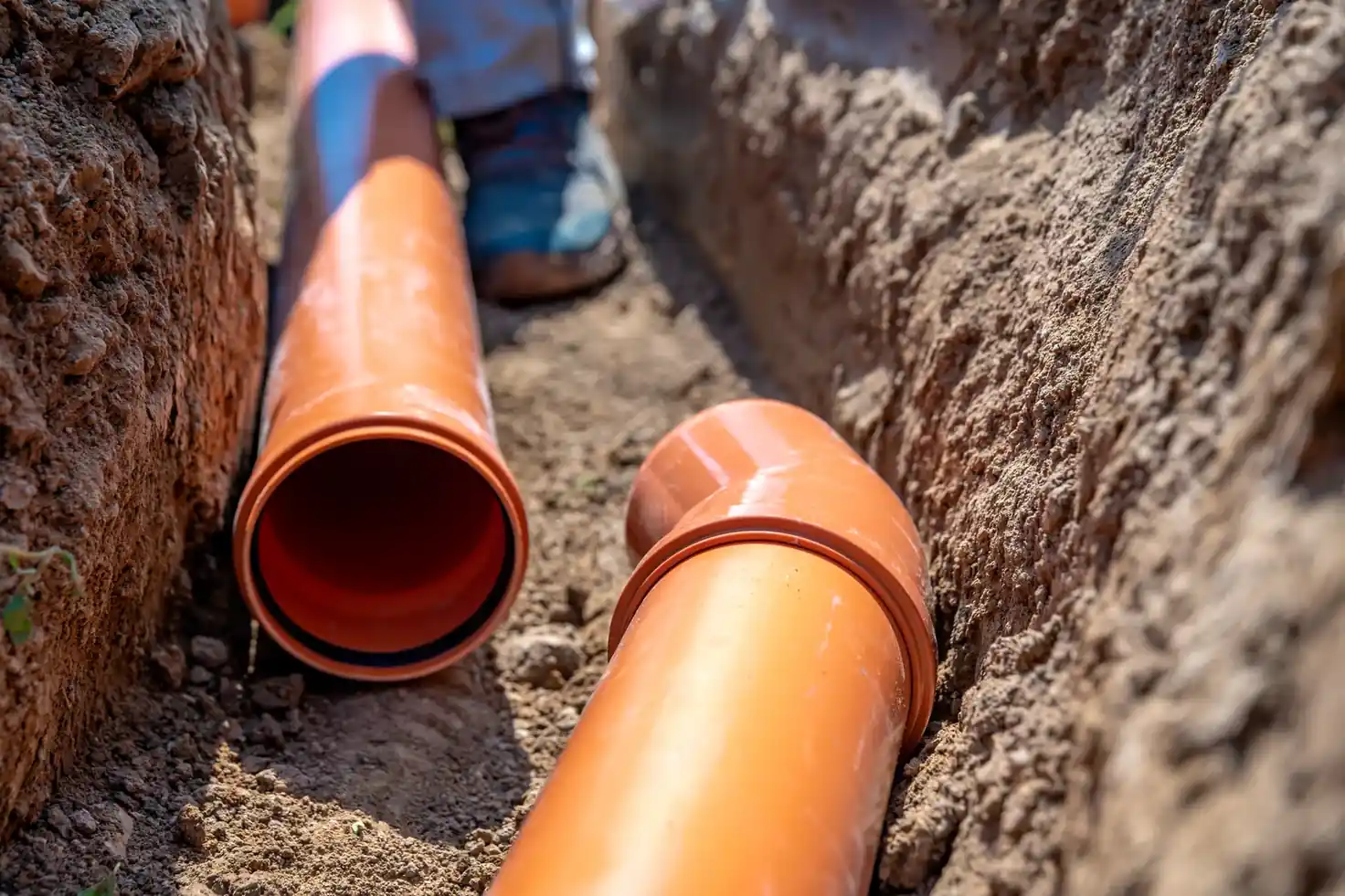
CCTV survey evidence before and after works
Thames Water’s current process varies by application class. For Class 2 applications, Thames Water states that its fee includes pre and post-construction CCTV surveys. For Class 3 applications, it states that the fee includes two pre and post-construction surveys by an approved contractor, with impact assessments where required. Thames Water does not list those same included survey stages for Class 1 applications. Retrospective applications require a CCTV or on-site survey for all classes. If you commission a separate CCTV survey, its purpose and acceptance should be confirmed for the particular application.
Before-and-after CCTV surveys can show whether visible damage has appeared during construction. The comparison is limited to sections that could be inspected on both occasions. Deposits, standing water and poor camera access may conceal defects, while footage alone cannot establish the cause of every change.
We can help with CCTV drain survey reports that set out pipe runs, access points, defect codes and observations. Where a specification calls for it, coding can follow MSCC5 conventions. Not every survey is graded, and the contents depend on what has been agreed.
What a survey report should contain
A useful report for a build over application typically includes:
- a plan showing the surveyed pipe runs and access points;
- the direction of flow and the pipe sizes observed;
- defect codes and descriptions, where the specification requires them;
- photographs or video stills of notable features;
- a clear statement of what the survey covered and its limitations.
The report supports traceability. It does not prove legal compliance, and it does not replace Thames Water’s decision. Where the company has specific requirements, those should be confirmed before the survey is specified so the report matches what is needed.
Fees, timescales and what affects them
Thames Water publishes its own fees for build over applications. The fee depends on the type of application and the work involved. Timescales vary with the completeness of the submission, the complexity of the sewer and the company’s current workload. A missing plan, an unclear foundation design or an unresolved survey query can all add time.
Survey costs vary with pipe length, access, cleaning requirements and the level of reporting needed. Thames Water sets its own application charges and determines whether further inspection is necessary.
Checking your position before you apply
The location, diameter and depth of the affected sewer can influence the design of foundations and the type of agreement needed. A sewer map provides recorded information, while CCTV shows the visible internal condition. Further locating or measurement may be required. Our build over agreement checker identifies matters that may require Thames Water’s decision; it cannot grant consent. Further information about CCTV inspection is available on our drainage survey page.
If you are buying a property with a build over agreement already in place, a homebuyer drain survey can record the sewer’s current condition. If the work relates to a new development, a Section 104 adoption CCTV survey may also be relevant.
Free online tool
Build Over Agreement Checker
Building over or near public drains and sewers
Common questions
Frequently asked questions
Do I always need a Thames Water build over agreement?
Not always. It depends on how close the proposed structure is to a public sewer, the pipe size and depth, and whether a manhole will be affected. Thames Water's published criteria set out when consent is normally needed. The only reliable way to know is to check the current guidance and, where needed, ask the company directly.
Does a CCTV survey replace a build over agreement?
No. A CCTV survey records the visible condition of the inspected sewer. Thames Water decides whether the evidence is acceptable and whether its own inspection is required. Only Thames Water can grant the relevant build over consent.
Can a CCTV survey see every defect in a sewer?
No. A camera shows visible internal surfaces. Deposits, debris, poor lighting and access limitations can hide problems. The report should state what was surveyed and its limitations clearly.
How much does a Thames Water build over application cost?
Thames Water publishes its own fees, which depend on the type of application and the work involved. Survey costs require a real quote and depend on access, pipe size and depth, survey length and the report format needed.
Request a quote
Complete the form and we will get back to you.