
CCTV drainage surveys
Pipeline CCTV Inspection
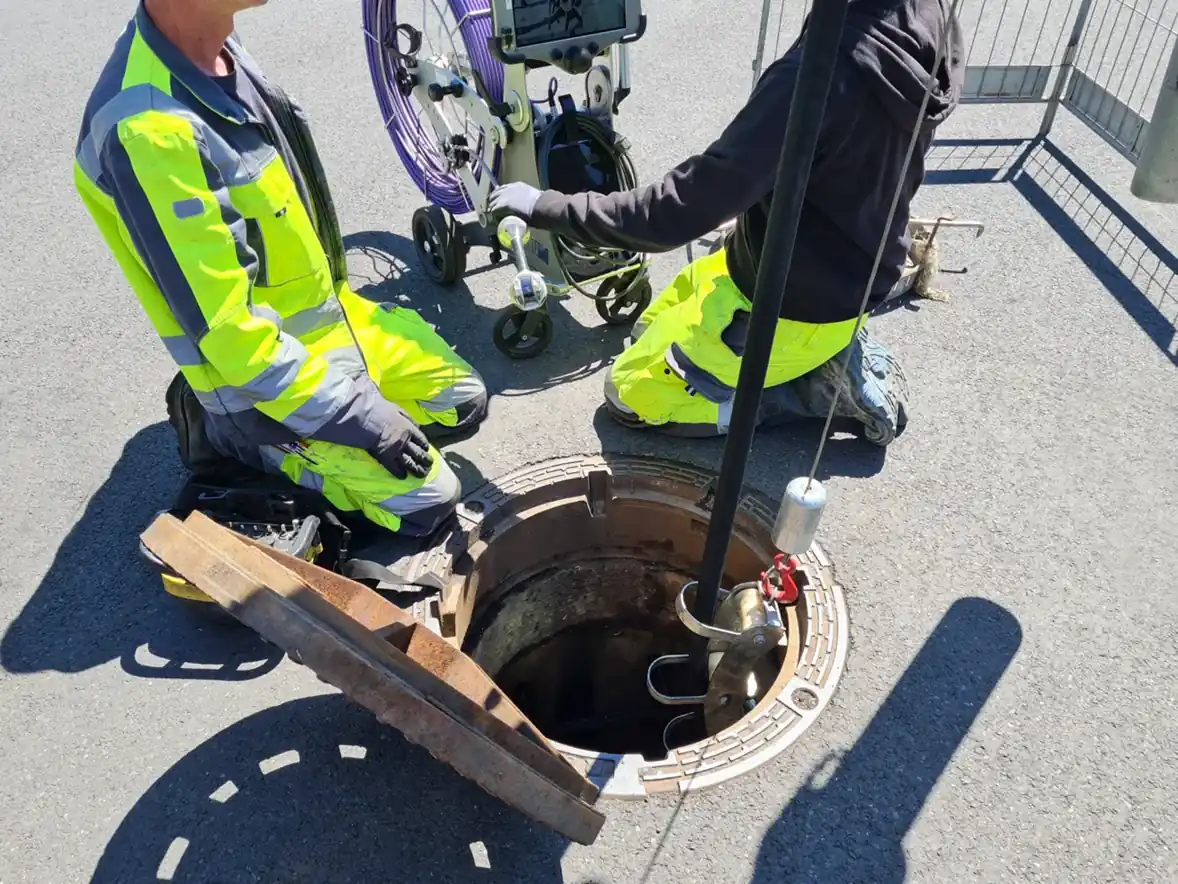
A pipeline CCTV inspection records the visible internal condition of accessible gravity drains, effluent lines, surface water pipes and culverts. It can help investigate recurring problems, plan maintenance and provide a condition record before repair or other work.
What a pipeline CCTV inspection covers
A pipeline CCTV inspection uses a camera to record visible internal surfaces within accessible pipework. On industrial sites this can include gravity foul drainage, effluent lines, surface water pipes and culverts. Depending on visibility and access, the survey can identify defects or obstructions such as cracks, displaced joints, roots, deposits and deformation, and can record changes in the pipe run where these are visible.
Pressurised oil and gas pipelines are outside this scope. Pigging, intelligent inline inspection and pressure pipeline integrity work need different equipment, different standards and different competence. If your pipeline operates under pressure, a gravity drain camera survey is not a substitute.
We can help with pipeline inspection on sites where access, permits and cleaning need to be planned before the camera goes in.
Why industrial sites need a planned survey
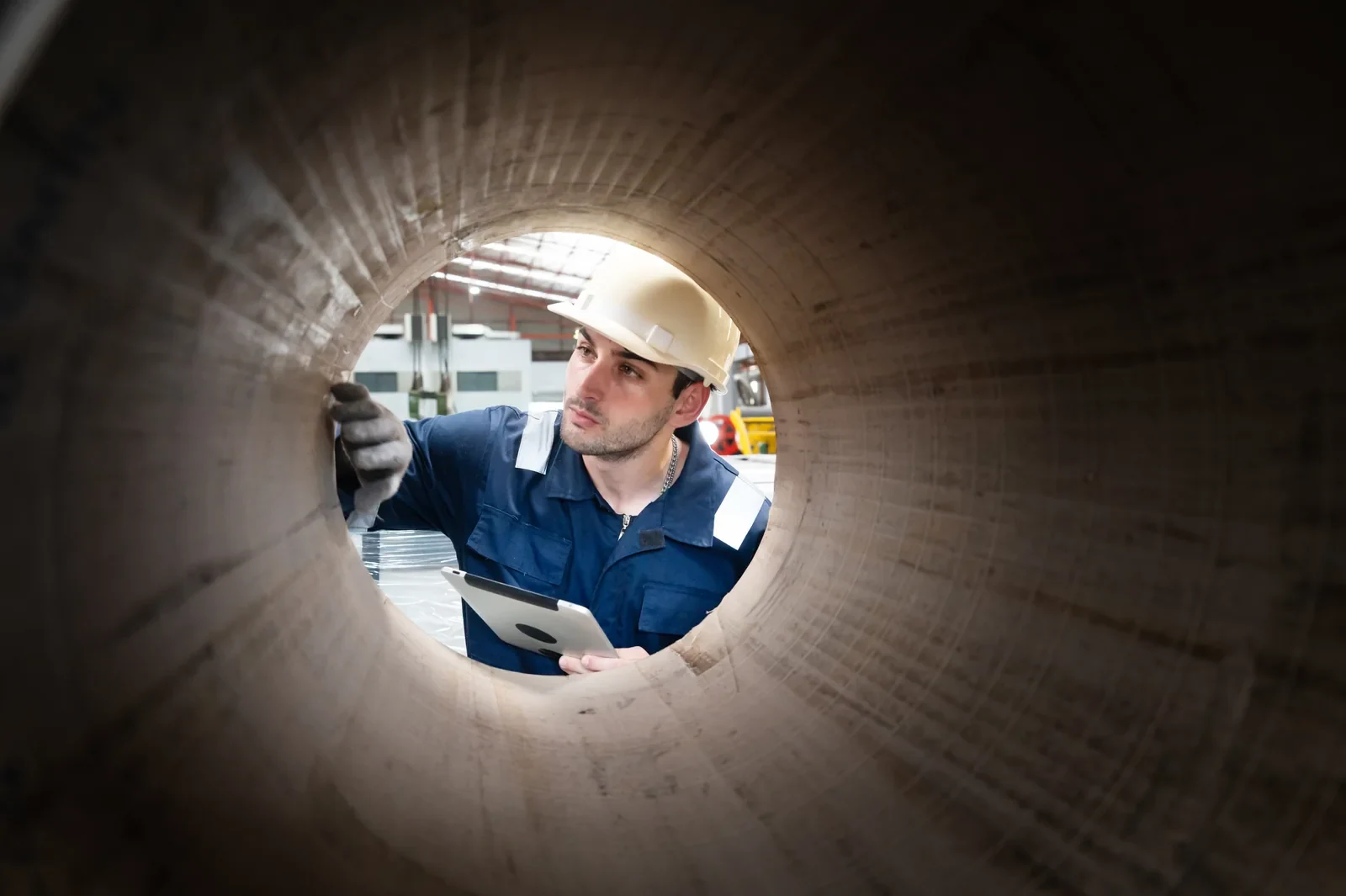
On a factory or process plant, a drain survey is rarely just a camera job. The pipeline may carry trade effluent, surface water from loading areas, or a mix that changes with production. The survey may need to happen during a shutdown, between shifts, or while a tanker is on site. Access may be through a chamber in a live yard, a basement plant room or a culvert under a road.
A survey planned around production avoids two common problems: trying to inspect a pipe that is still full of process water, and discovering halfway through that a key chamber is under a parked trailer. The survey specification should state which lines are included, what cleaning is expected beforehand, and what the report needs to show.
Cleaning before inspection
A camera sees the pipe wall, not through deposits. Grease, silt, scale, rag and chemical precipitate all hide defects. If a line is heavily silted, the survey may record only the top of the pipe, which limits what can be concluded.
Pre-cleaning may be needed where deposits prevent a useful view of the pipe wall. The cleaning method should be selected for the pipe material, condition, contents and site controls. Where the line carries process effluent or other substances that could affect the work or equipment, this needs to be considered during survey planning.
Where cleaning is needed before inspection, it should be included in the survey planning so the camera has a useful view of the accessible pipe surface.
Access, permits and confined spaces
Most pipeline CCTV inspection is done from outside the pipe through a manhole or inspection chamber. The camera and cable are lowered or fed in, and the survey continues from the surface. That is the preferred method because it avoids entry.
Some surveys may involve structures where entry is being considered. Where a risk assessment identifies a confined space to which the Confined Spaces Regulations 1997 apply, entry should be avoided where possible. If entry is unavoidable, a safe system of work and suitable emergency arrangements are required. The controls needed depend on the space, hazards and work being carried out.
Industrial sites may also have their own permit, isolation, traffic-management or access procedures. Relevant site requirements should be confirmed before attendance.
What the survey can and cannot show
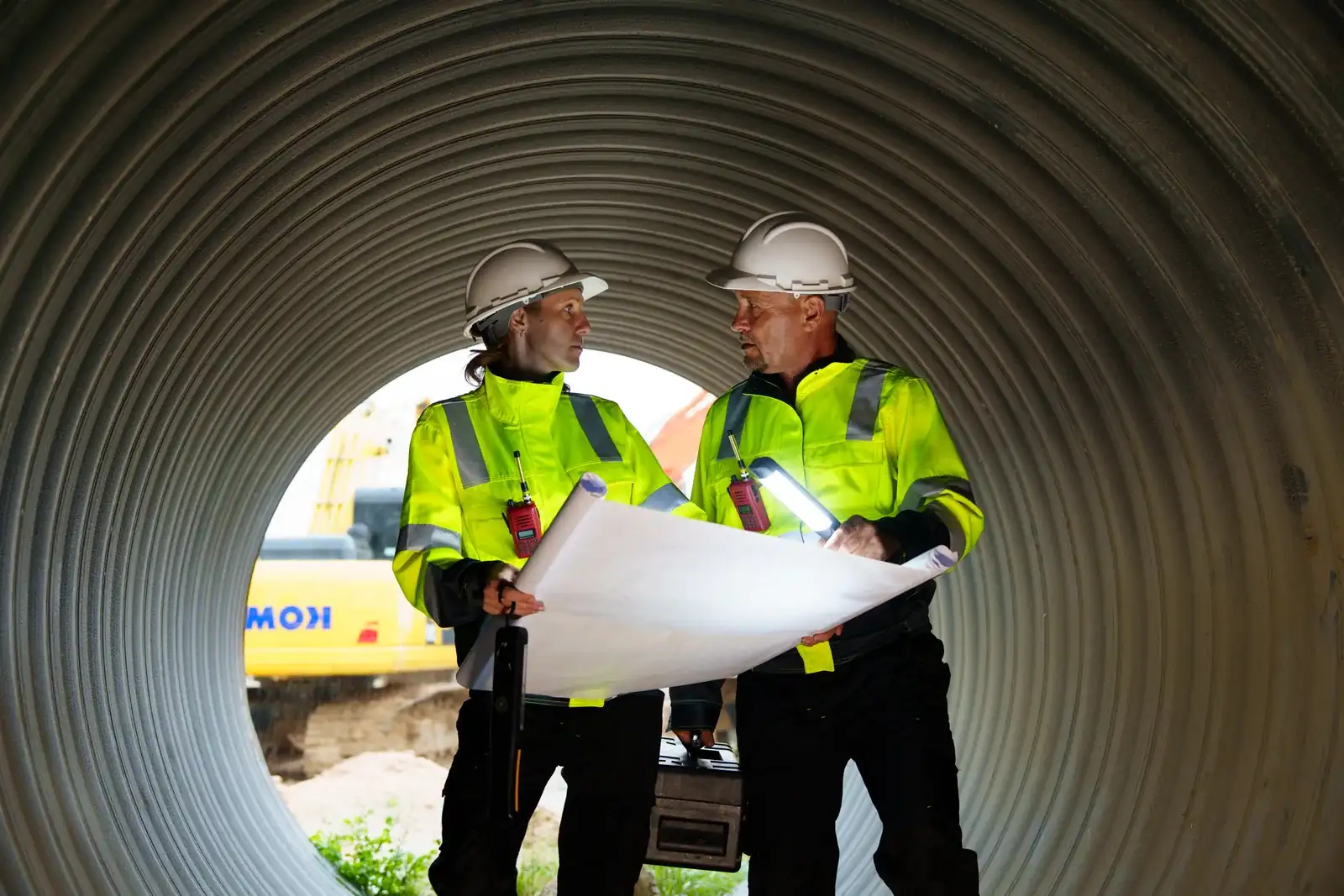
A CCTV survey shows visible internal surfaces. It cannot see through deposits, and it cannot detect every defect. A crack that has not opened, a void behind the pipe wall, or a defect hidden under scale may not appear. The camera records what is in front of it at the time of the survey.
Not every survey is graded. Some reports use a coding system such as MSCC5, which gives a standard way to describe defects and condition. Others are descriptive. The report contents and coding depend on the agreed specification. If you need a graded survey for a handover, adoption or insurance purpose, that should be stated before the survey is specified.
If the survey is intended to support an adoption, build over request, connection or other formal submission, confirm the required survey and reporting specification with the organisation reviewing it before the work is booked.
Survey specification and site requirements
The required survey standard depends on why the inspection is being carried out. A site engineering specification, sewerage requirement, trade effluent arrangement, insurer request or project specification may determine what needs to be surveyed and reported. Confirm the applicable requirements before the work is booked.
Using the results
A pipeline CCTV inspection is most useful when it is commissioned to answer a specific question. This might be the location of a recurring obstruction, the visible condition of a repaired section, the condition of a proposed connection area or the extent of defects in a particular run. The report should state what was inspected and identify material limitations on the findings.
Where defects are found, the CCTV findings can be used to investigate suitable maintenance or repair options. The appropriate response depends on the defect, pipe condition, access and the purpose of the line.
We can help with pipeline CCTV inspection on industrial sites, including surveys where access, cleaning requirements and reporting need to be agreed in advance. Related work includes drain surveys for industrial sites, commercial drain surveys and drain mapping where the pipe layout itself is uncertain.
Free online tool
Build Over Agreement Checker
Check what to ask your sewerage company before building near a drain or sewer.
Common questions
Frequently asked questions
Can you inspect a pipeline that is still in use?
Sometimes. It depends on the flow, contents of the line, visibility, access and site controls. Some lines can be inspected while operating, while others may need flow reduced, diverted or isolated. This should be established when the survey is planned.
Does a CCTV survey classify waste?
No. A camera survey records the condition of the pipe. It does not classify waste or decide whether a material is hazardous. Waste classification is a separate assessment based on the material and its source.
Is a pipeline CCTV inspection the same as a sewer survey?
The equipment and methods overlap. A sewer survey usually follows water industry or adoption specifications, while an industrial pipeline survey may follow a site or insurer specification. The scope and coding should be agreed before work starts.
Do you inspect pressurised oil and gas pipelines?
No. Pressurised pipeline inspection uses pigging and inline inspection methods that are outside the scope of a gravity drain camera survey. We can help with gravity drains, effluent and surface water pipelines and culverts.
Request a quote
Complete the form and we will get back to you.