
CCTV drainage surveys
CCTV Drain Survey Birmingham
CCTV drain surveys in Birmingham for homebuyers, recurring drainage problems and extensions near Severn Trent sewers, with camera inspection findings to help assess pipe condition.
Request a quote
Complete the form and we will get back to you.
CCTV drain surveys across Birmingham
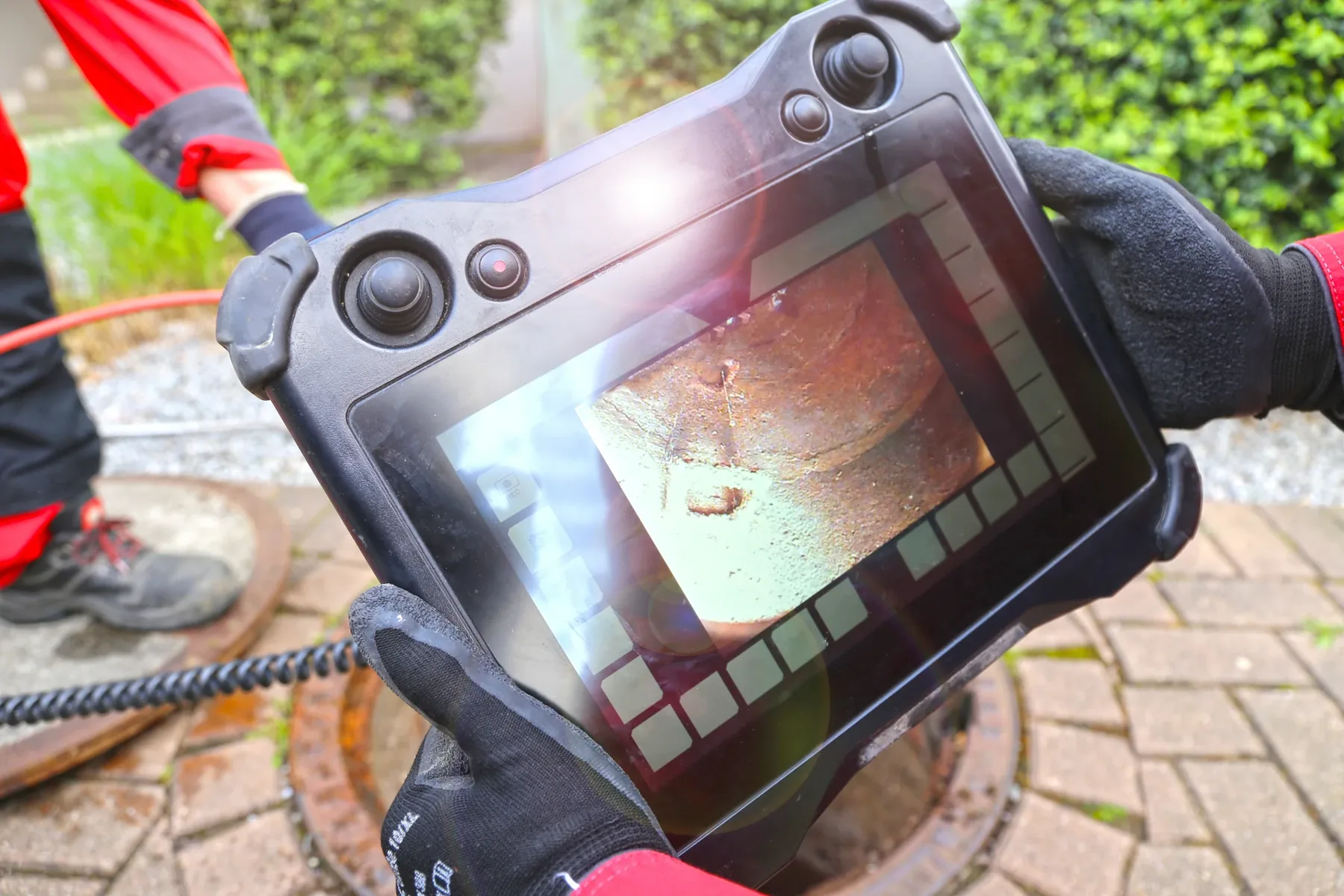
A CCTV drain survey helps establish the condition of underground drains and where the pipes run, without digging them up. A drain camera is passed through accessible pipework, usually from inspection chambers, to look for cracks, displaced joints, roots, deformation and other defects. The inspection can also identify sections that cannot be reached or viewed clearly.
It is particularly useful when a drain keeps blocking, unpleasant smells persist, or the pipework needs checking before a house purchase or building work. Birmingham properties include Victorian and Edwardian terraces, interwar housing and post-war estates. Drainage materials and layouts vary, so the age of the property can help identify what deserves closer attention.
- Severn Trent sewers: Severn Trent manages Birmingham's public sewer network. A survey can help identify defects and connections in accessible drainage.
- Post-war drains: Some properties from the 1950s to 1970s have pitch fibre drains. CCTV footage can reveal deformation and visible deterioration.
- Misconnections investigated: CCTV inspection and dye testing can help trace drainage connections where foul water and surface water systems may have been mixed up.
Severn Trent, the council and your own drains
Severn Trent manages the public foul and surface water sewer network across Birmingham. Birmingham City Council is responsible for highway drainage as the highway authority, while property owners are generally responsible for private drains serving their own properties.
The distinction matters when a damaged pipe serves more than one property. Drains from neighbouring houses may join before reaching the main public sewer. Many shared private sewers and lateral drains transferred to sewerage undertakers from 1 October 2011, although responsibility depends on the particular pipe and its circumstances.
A CCTV inspection can help identify the location of a connection, the condition of the accessible pipework and the position of a defect. Those findings can be compared with drainage records when establishing whether the problem concerns a private drain or a public sewer. The council’s published guidance on drainage responsibilities provides further local context.
Pitch fibre and older clay pipes
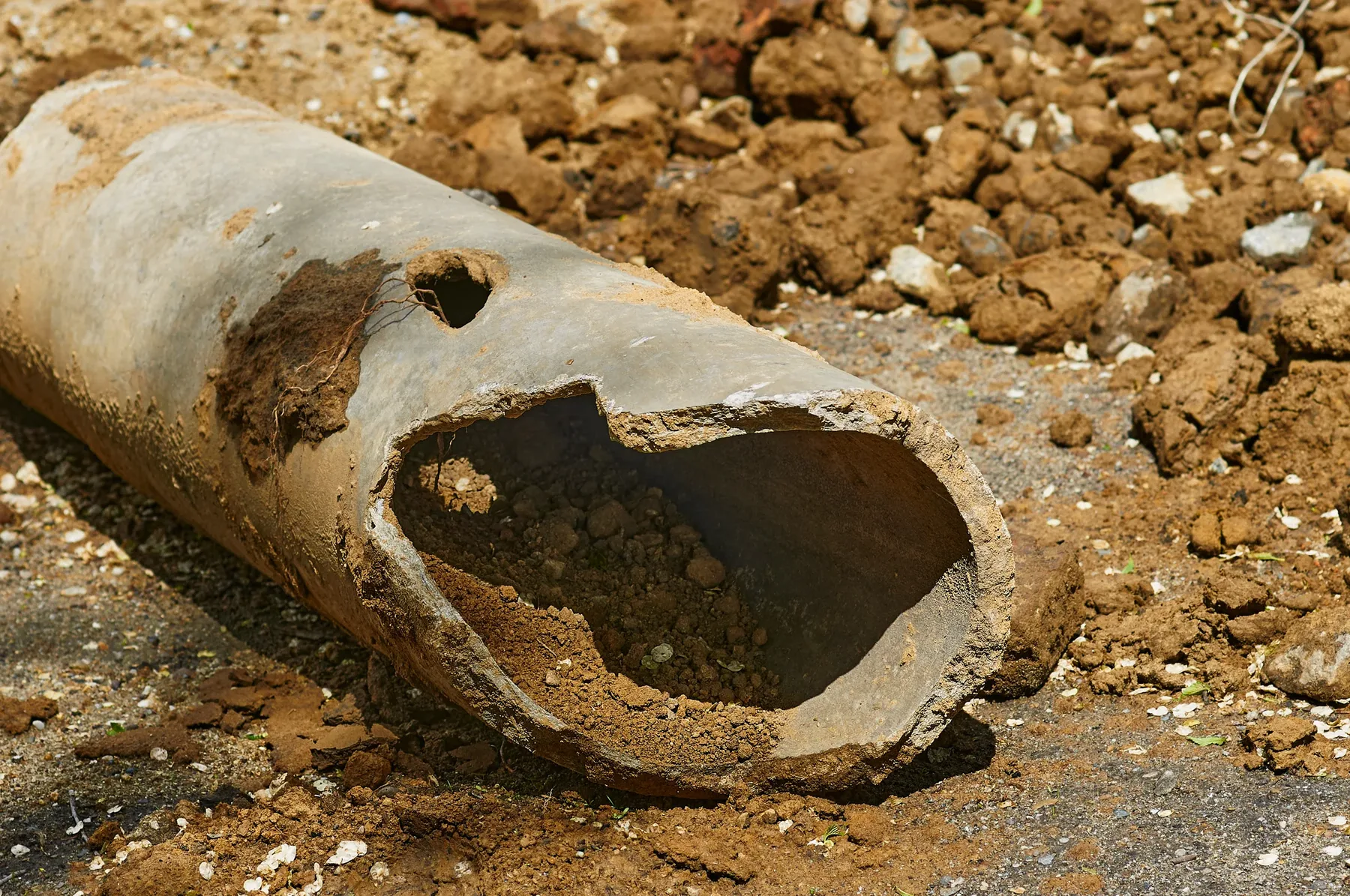
Some homes built from roughly the 1950s to the 1970s have pitch fibre drains, made from wood fibre impregnated with pitch. These pipes can soften, blister or become distorted over time. A flattened section can restrict flow and make recurring blockages more likely.
A drain camera can reveal changes in the pipe’s shape and visible deterioration. Where the pipe material cannot be identified reliably from the footage, other evidence may be needed. Our guide to pitch fibre drains explains the common defects and what an inspection may reveal.
Older Birmingham terraces may have clay drainage with rigid joints. Typical inspection points include cracked pipes, displaced joints, root intrusion and sections where the pipe alignment has changed. The camera findings help distinguish an isolated defect from damage affecting a longer section.
Separate systems and wrong connections
Many properties have separate drainage for foul water and rainwater. Incorrect connections can occur when a kitchen, bathroom, utility room or extension is added or altered. Wastewater connected to a surface water system may discharge somewhere it should not.
A CCTV inspection can help establish the pipe layout and identify junctions. Where the destination of a particular connection remains unclear, drain dye testing can help trace where water from an appliance or outlet travels. Using both methods may be useful where the drainage layout has changed or records are incomplete.
Building over a Severn Trent sewer
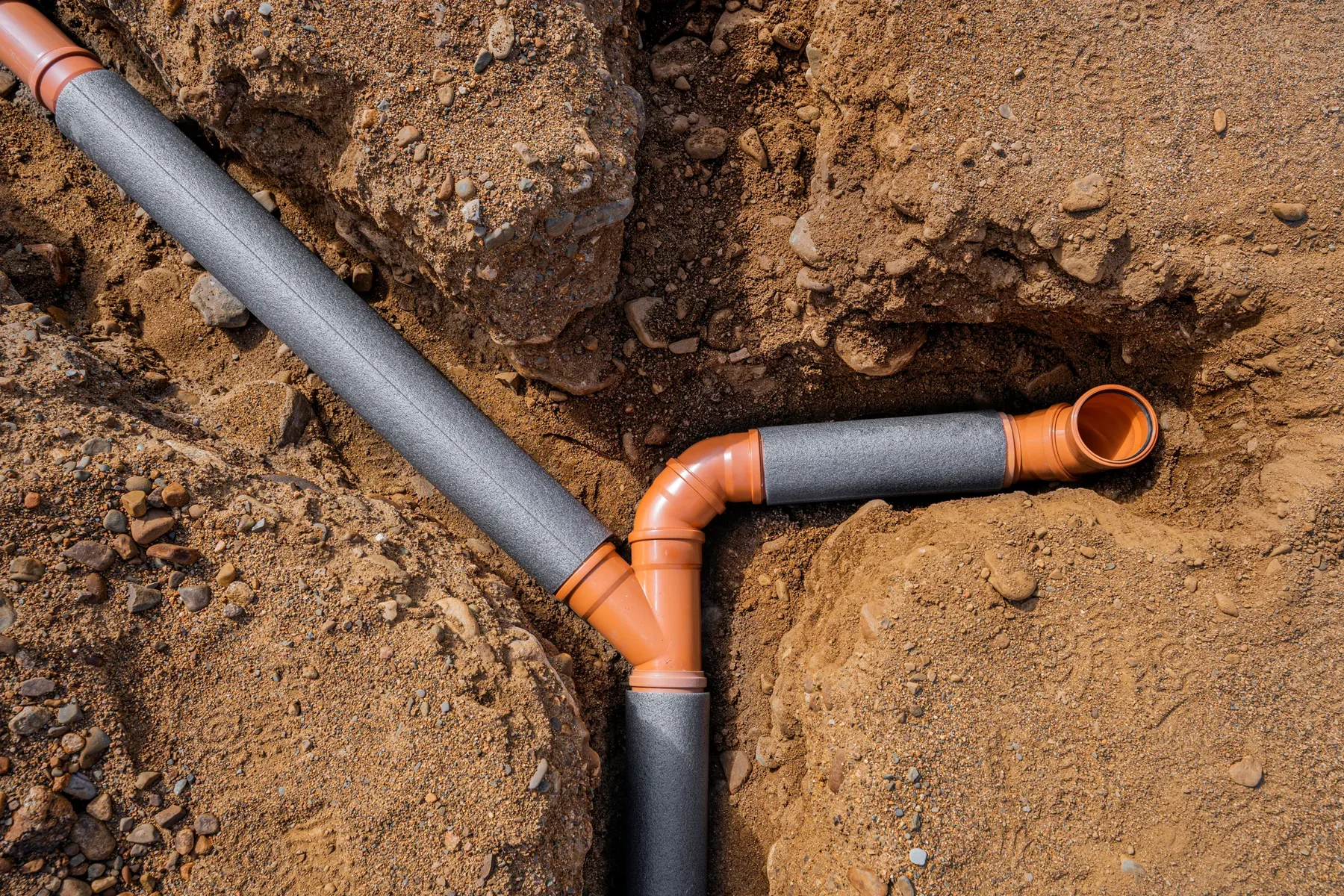
If you are planning a Birmingham extension, it is worth establishing whether a public sewer passes beneath or close to the proposed building work. Section H4 of Approved Document H addresses building over or near sewers shown on the sewerage undertaker’s records, including work within 3 metres.
Where a public sewer could be affected, its position and the applicable requirements need checking before the design is finalised. Our guide to the Severn Trent build-over agreement explains the considerations involved.
A CCTV survey can provide a record of accessible pipe condition before building work and help identify visible defects that may need further investigation. Camera footage can also assist with understanding the drainage arrangement, although the precise position of a buried pipe may require additional locating work.
What a CCTV drain survey can show
The information available depends on access, pipe condition and how much of the drainage system can be inspected. Relevant findings may include:
- Camera footage showing the internal condition of accessible drain runs
- Visible junctions and connections between inspected pipes
- Cracks, displaced joints, root intrusion, deformation and other defects
- Pipe materials and approximate dimensions where identifiable
- Sections affected by standing water, debris or restricted access
- Findings that may help identify where further investigation is needed
If you are arranging a survey before buying a property, it helps to establish which drainage runs need checking, particularly where extensions or alterations have changed the original layout. For recurring blockages, the main concern is usually identifying the affected section and whether the camera reveals a physical defect.
For other locations, see our CCTV drain surveys in Manchester and Bristol drain surveys pages, or browse the full drain survey areas directory.
Free online tool
Build Over Agreement Checker
Check what to ask your sewerage company before building near a drain or sewer.
Common questions
CCTV Drain Survey Birmingham: common questions
Should I get a drain survey when buying a house in Birmingham?
It is worth considering for older terraces with clay drains and post-war homes that may have pitch fibre pipes. Drain condition cannot normally be assessed from above ground. A CCTV survey can identify visible damage, deformation and other defects before exchange, helping you understand whether further investigation or repairs may be needed.
How do I know if my drains are pitch fibre?
The property's age is a useful clue, as pitch fibre was used in some homes built from about the 1950s to the 1970s. Common problems include blistering, deformation and a flattened pipe profile. A CCTV inspection can reveal these signs and may help identify the material, although confirmation is not always possible from footage alone.
Who fixes a broken drain shared by two semi-detached houses?
A drain serving only one property within its boundary is generally the property owner's responsibility. Where drains from neighbouring houses join, the shared pipe is often a public sewer managed by Severn Trent. A CCTV survey can help locate the junction and the damaged section, although responsibility should be checked against the drainage arrangement and relevant records.
Is a road drain outside my house the council's or Severn Trent's?
Road gullies and associated highway drainage are generally the responsibility of Birmingham City Council as highway authority. Public sewers are managed by Severn Trent, while private drains serving an individual property are normally the owner's responsibility. The distinction depends on the type and ownership of the drainage asset.
How long does a CCTV drain survey take?
The time needed depends on the number of inspection chambers, how accessible they are and the length and condition of the drainage system. A single property with straightforward access may require less inspection work than a large or shared system. Blockages, submerged pipework or inaccessible chambers can also affect how much can be examined.
Request a quote
Complete the form and we will get back to you.