Yes. If rats keep returning after pest treatment, a drainage investigation is worth considering when there is evidence that they may be entering through damaged or abandoned pipework. Pest treatment can reduce an existing infestation without closing the opening that allows more rats to enter.
The decision is not whether every rat problem needs a drain survey. It is whether repeated activity, the location of sightings and the condition of the building suggest an underground entry route that pest treatment alone has not resolved.
Why can rats return after apparently successful treatment?
Removing rats already inside a building does not necessarily eliminate their access route. Others may continue to move towards available food, water or shelter through the same opening.
Rats have several possible ways into a property. These include gaps around services, damaged airbricks, openings in external walls and defects associated with drainage.
Portsmouth City Council’s guidance on rats specifically identifies old damaged drainage systems, redundant pipe openings and damaged airbricks as possible access points.
Consequently, a temporary improvement after baiting does not establish that drainage is responsible. Equally, another successful treatment does not prove that the underlying access problem has been corrected.
Which signs make a drainage entry route more likely?
The location and recurrence of activity are more useful than the number of rats seen during a particular week.
- Activity beside a soil pipe: Repeated scratching or sightings around the point where wastewater pipework enters the floor or ground gives a reason to examine nearby connections.
- Burrows beside drainage: Holes appearing close to a chamber, underground pipe route or gully may indicate activity around that location.
- Repeated activity in one enclosed area: A basement, utility room or ground-floor void affected after several treatments may contain a persistent access point.
- Historic building alterations: A removed outside toilet, demolished outbuilding or relocated kitchen may have left a redundant drainage connection.
- Visible drainage deterioration: Broken chamber walls, displaced covers or known damaged underground pipework make further drainage investigation more relevant.
None of these observations identifies an entry point on its own. Rats may occupy spaces near drains without travelling through them. A building can also have more than one route of entry.
How does a broken drain become an entry route?
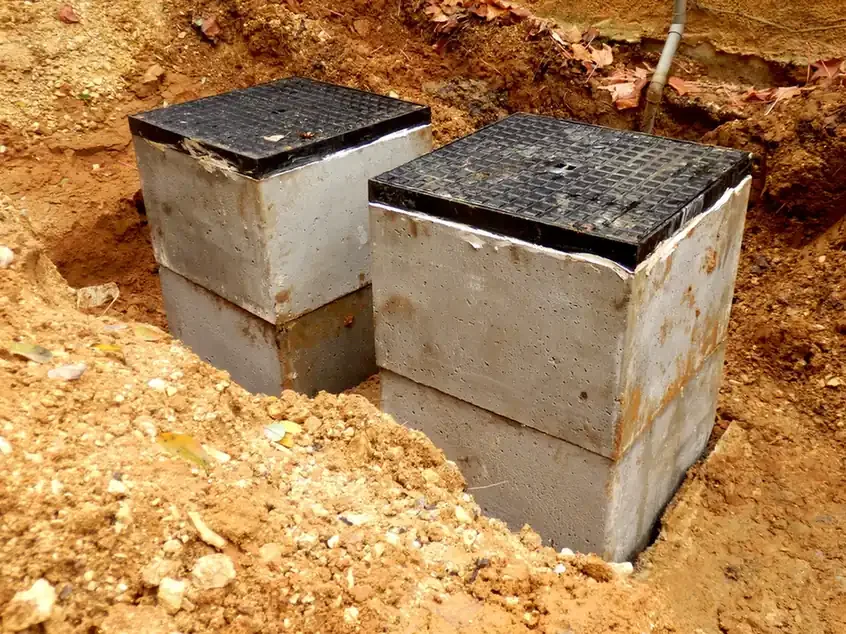
A buried drainage network connects several locations that may otherwise appear physically separate. Wastewater pipes join inspection chambers, underground branches and receiving sewers.
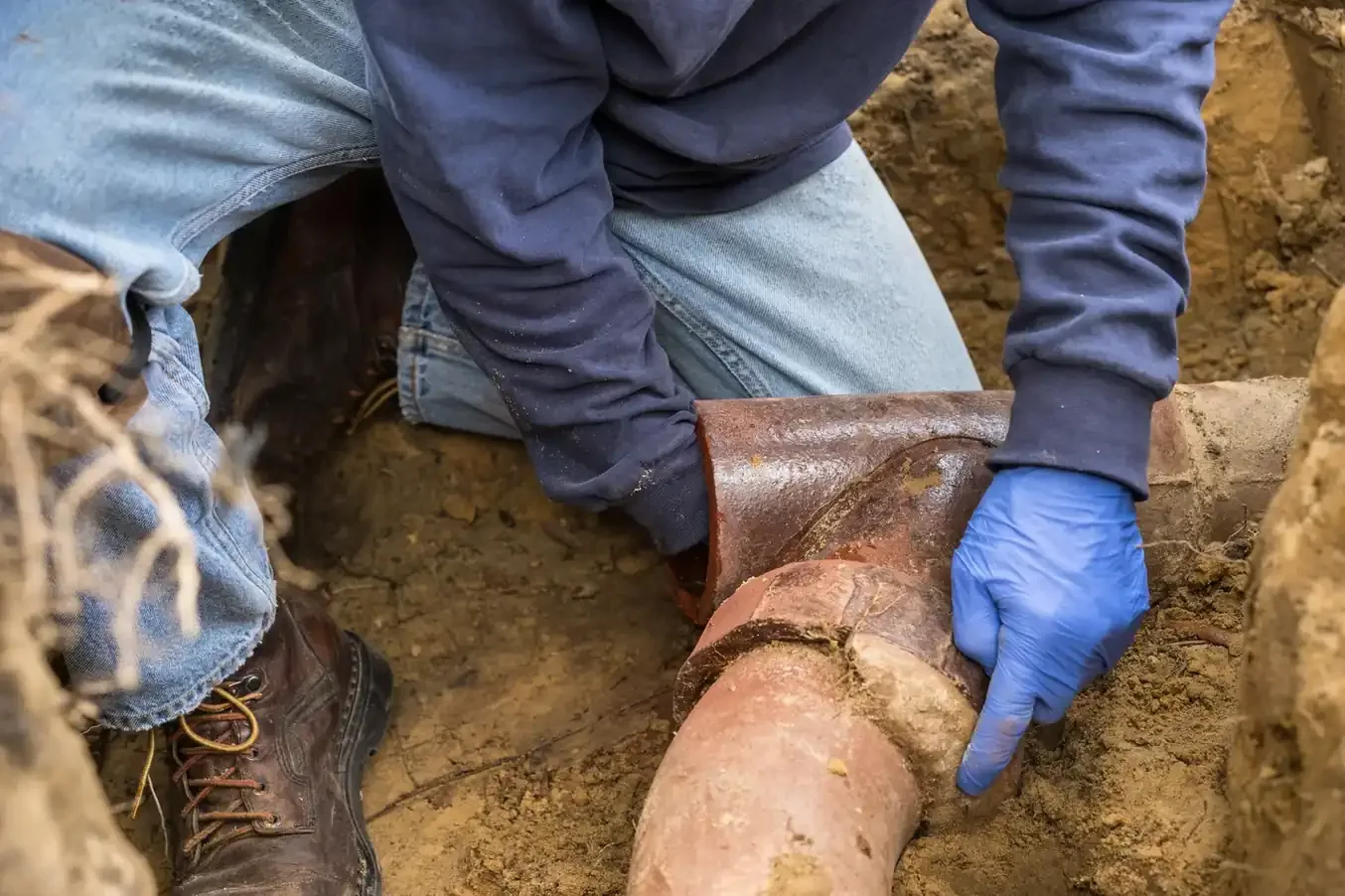
A fracture or open joint can create a passage between the pipe interior and the surrounding ground. An abandoned branch that remains connected may provide another route. If a connection opens into a floor void or accessible cavity, it can form part of a potential path into the building.
The important distinction is between a defect that exists and a complete route that a rat could actually use. A damaged pipe beneath the garden may be unrelated to activity in a kitchen. To establish a credible explanation, the defect must be considered alongside its position, connected branches and the suspected internal entry location.
For example, an old toilet connection might remain connected to the main drain after the sanitary fitting has been removed. Whether that connection is sealed, where it terminates and what lies between it and the occupied building are more important than the fact that it is old.
When is a CCTV investigation the right next step?
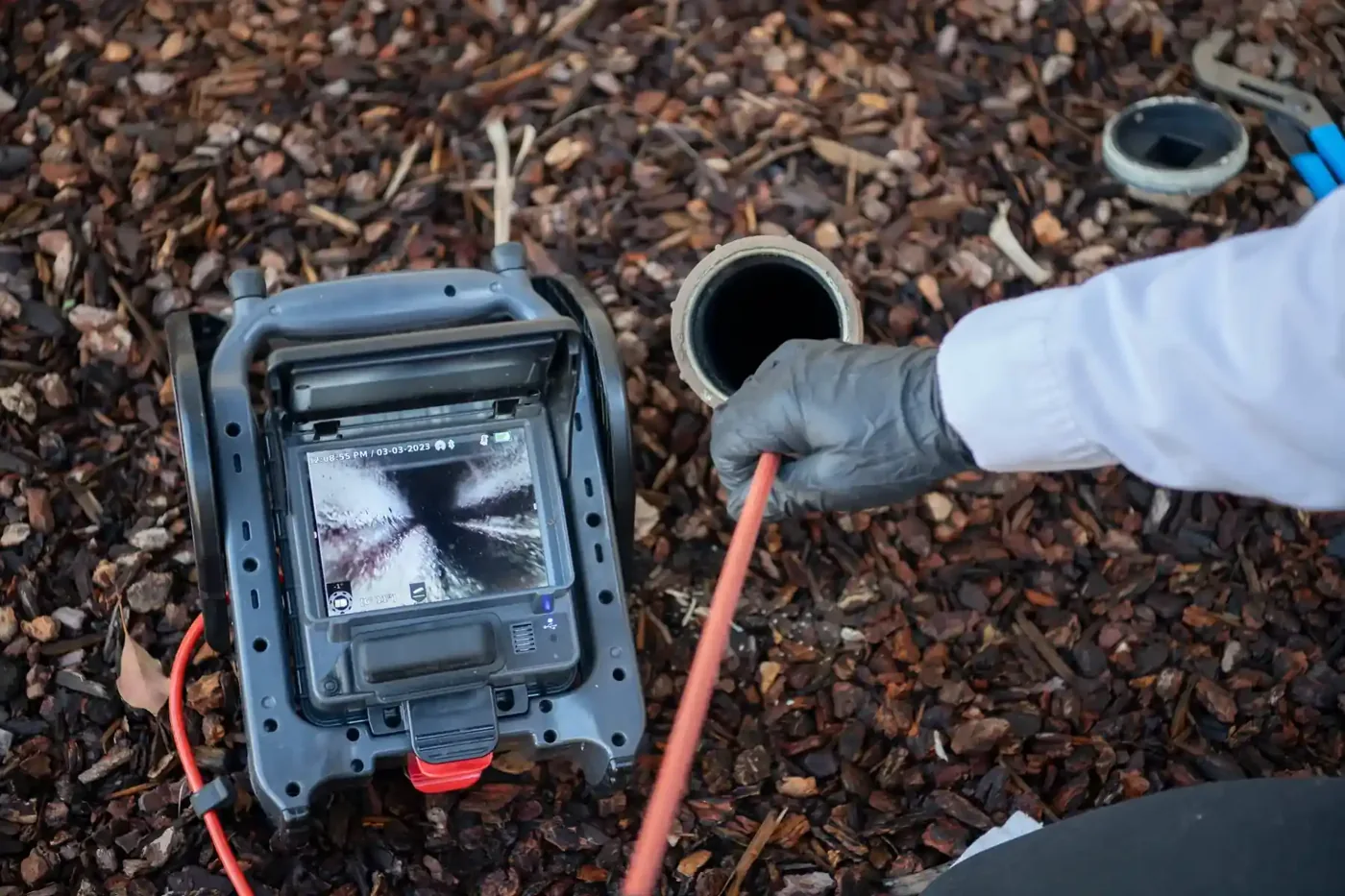
A drain survey investigating possible rat entry points is particularly relevant when pest treatment has been repeated, activity concentrates around underground drainage or the building has unexplained redundant connections.
The investigation can examine accessible pipe interiors for displaced joints, fractures, missing sections and open branches. It can also identify whether an apparent connection is part of the active drainage system.
CCTV is condition evidence, not direct proof that rats used a particular opening. A camera may show a broken joint but cannot establish whether an animal travelled through it. Nor does an apparently intact inspected section eliminate every possible entry point elsewhere.
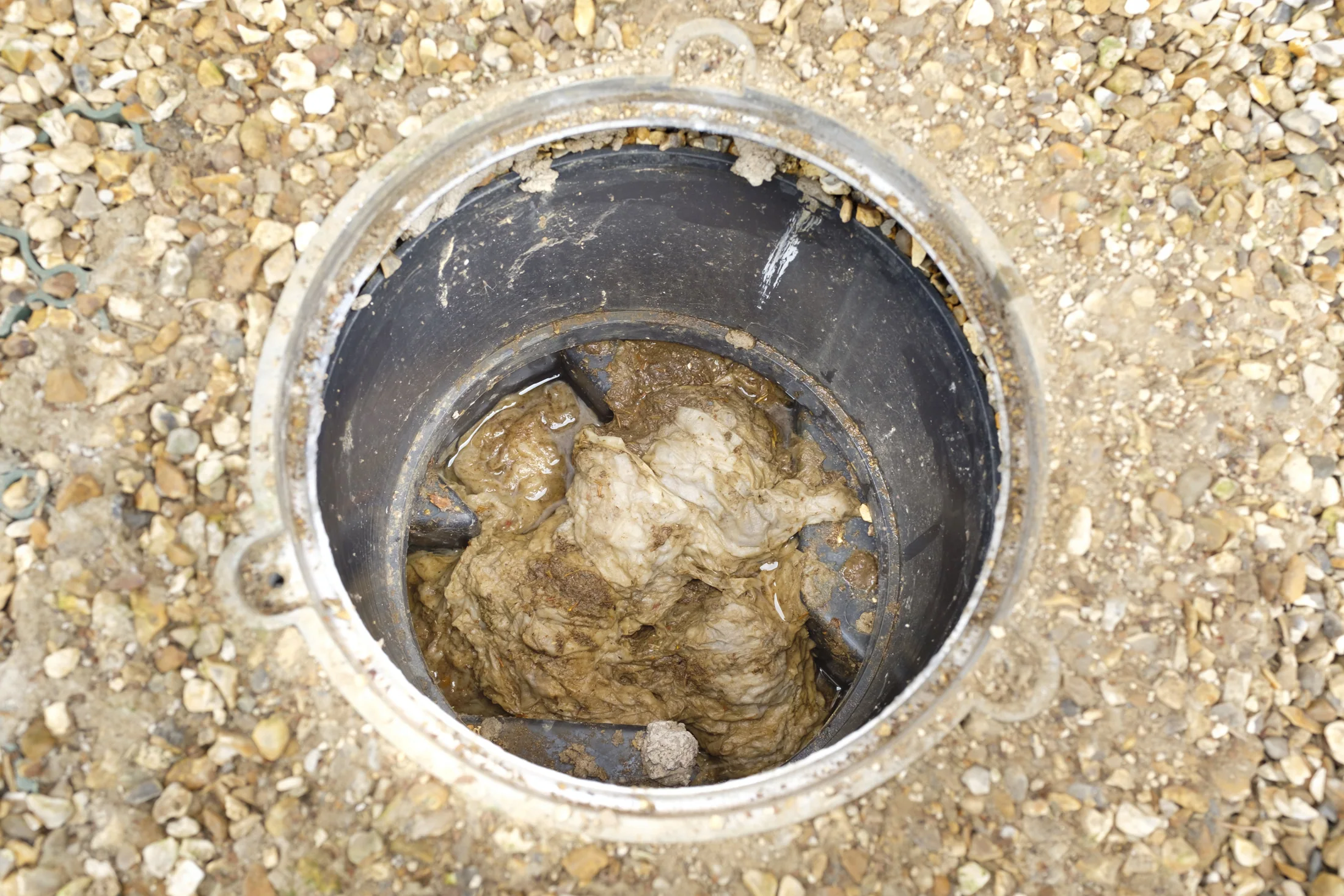
Visibility also matters. Deposits, retained water and bends can obscure or prevent inspection of the relevant section. The useful outcome is a record of observed openings, their location and the sections that remain uncertain.
What if CCTV finds a defect but not the route into the house?
This is an important intermediate result. The drain may have damage, but the connection between that damage and the indoor infestation is not yet established.
Reviewing accessible chambers, historic alterations and branch directions may narrow the uncertainty. Where the underground layout is unknown, drain mapping can help establish which pipes pass towards the affected part of the property.
Another tracing method may be useful if the uncertainty concerns where a particular branch connects. However, identifying a branch does not independently establish that a rat can pass from it into a room.
A report should therefore distinguish a visible pipe defect, a suspected entry route and an entry route supported by additional evidence. These are different findings and can lead to different repair decisions.
Should you repair the drain or arrange more pest treatment?
These are complementary decisions rather than mutually exclusive alternatives. Pest control addresses rat activity. Drainage repairs address an identified physical defect or opening.
If evidence points to a single redundant connection, appropriately sealing that connection may be the relevant building intervention. Where a working drain has a structural defect, the repair assessment instead depends on the affected pipe, the nature of the opening and the condition of the surrounding section.
Repairing an unrelated defect will not necessarily stop rat activity. Similarly, further treatment without resolving an established entry point may leave the property open to recurrence.
What information should you provide before commissioning an investigation?
- Identify which rooms or external areas are affected and whether sightings return in the same places.
- Record when earlier pest treatments took place and what changed afterwards.
- Note previous drainage repairs, removed sanitary fittings and building alterations.
- Identify accessible inspection chambers and any known underground drainage routes.
- Ask that the investigation records suspected entry-related defects separately from incidental pipe deterioration.
The decision should follow the evidence. If rat activity clearly relates to an external food source or a visible wall opening, that may be the more direct problem to address. Where the activity persists around unexplained drainage connections, investigating the relevant underground pipework can help determine whether a repair is needed alongside pest treatment.