
CCTV drainage surveys
Drain Defects Found on CCTV
A drain CCTV survey records what the camera can see along the inside of the pipe. Defects range from hairline cracks to collapsed sections, and the difference matters when you decide whether to jet, patch, reline or excavate.
What a CCTV survey can and cannot show
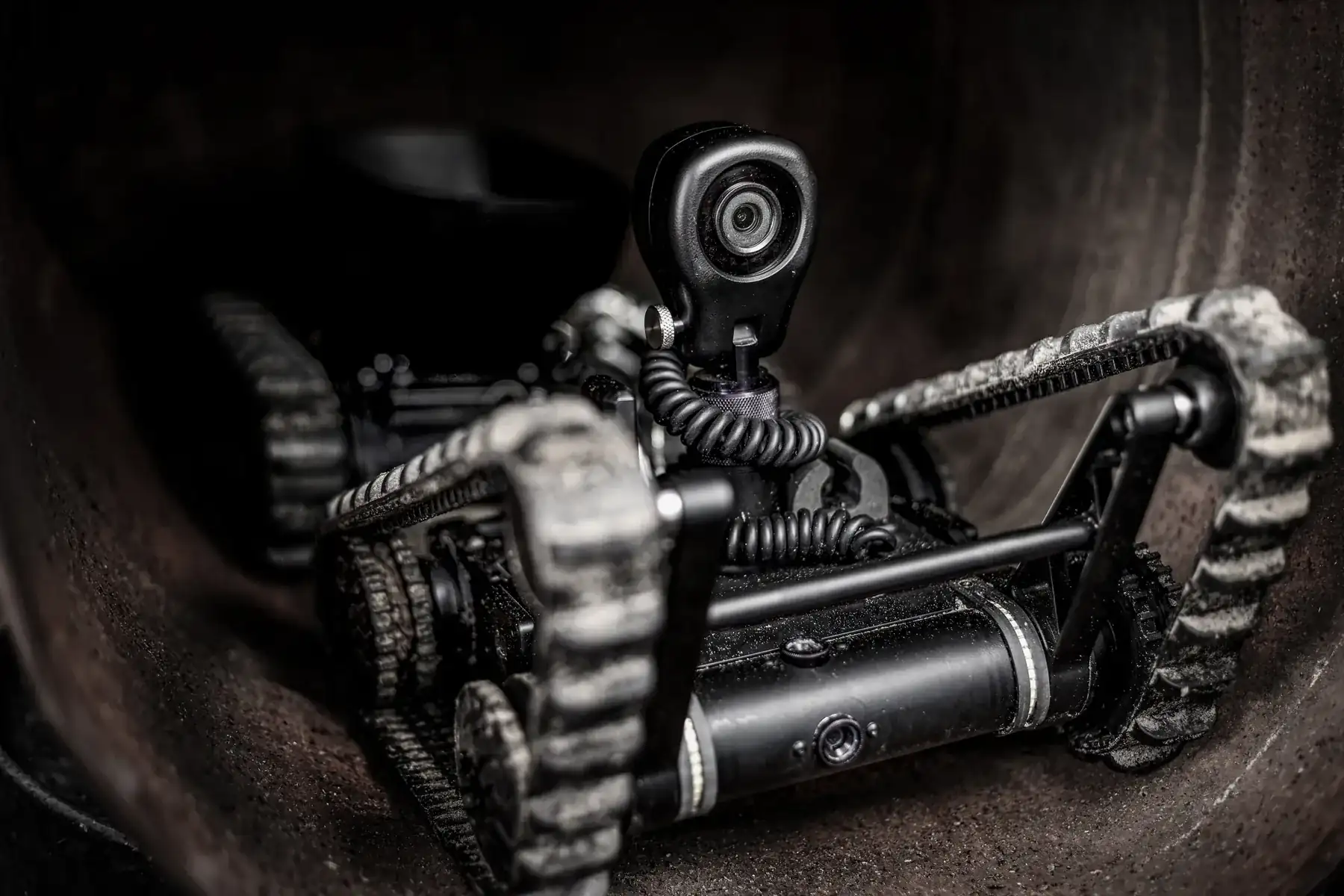
A CCTV drain survey sends a camera along the pipe and records the internal surface. It shows cracks, open joints, roots, deformation, scale, fat and some connection faults. It cannot see through soil, debris or heavy deposits, and it cannot detect every defect. A pipe that looks sound on camera may still have problems outside the visible range, and a pipe with a visible crack may not be leaking. The survey is evidence of what was visible at the time, not a full structural assessment.
Reports vary. Some use a standard coding system such as MSCC5, some use a simpler descriptive format, and some are not graded at all. The contents depend on what was agreed before the survey. If you have a report and want to understand a defect, we can help with interpreting the findings and deciding what to do next.
Cracks and fractures
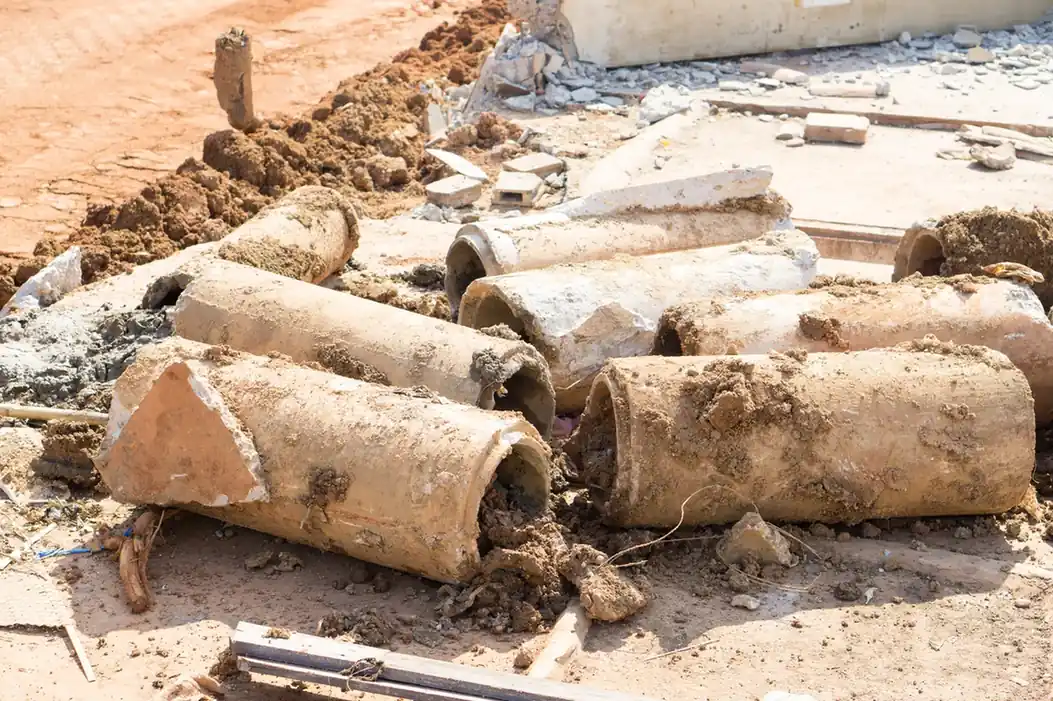
A crack appears as a line or break in the pipe wall. A fracture is a crack that has opened further, sometimes with missing pieces. On camera, a hairline crack may show as a thin dark line; a fracture may show as a gap with jagged edges. The seriousness depends on the pipe material, the position of the crack and whether groundwater or soil is entering. A crack at the crown of a pipe under a road is different from a crack near a joint in a garden drain.
The significance of a crack or fracture depends on its extent, position, pipe material and the condition of the surrounding pipe. Local lining, longer relining or excavation may be considered in different circumstances, but the repair should be based on the survey findings and site conditions rather than the appearance of one defect in isolation. We can help with the next stage once the extent is clear.
Displaced and open joints
A displaced joint is where one pipe section has moved relative to the next. On camera, you see a step or lip at the joint. An open joint is a gap between sections, sometimes with the sealing ring visible or missing. Both are common in older clay drains and can be caused by ground movement, poor bedding or tree roots lifting the pipe. A small displacement may not leak; a large one can catch debris and cause blockages.
Open or displaced joints can provide a route for root ingress and can catch debris where there is a significant step in the pipe. Local lining may be suitable for some joint defects, while badly displaced or dropped sections may require excavation. The appropriate repair depends on the amount of movement, pipe condition and access.
Root ingress
Roots can enter through joints, cracks and connections. On camera, they may appear as fine growth, mats or heavier root masses. The removal method depends on the extent of the growth, pipe diameter, access and pipe condition. Removing the roots does not repair the opening they entered through, so the underlying defect may also need attention.
Root ingress is often a sign of a defect rather than the defect itself. If roots are present, the survey should identify where they enter. A root ingress drain survey can map the extent and help decide between cutting, lining and excavation. We can help with root removal and lining projects where the pipe is suitable.
Deformation and collapse
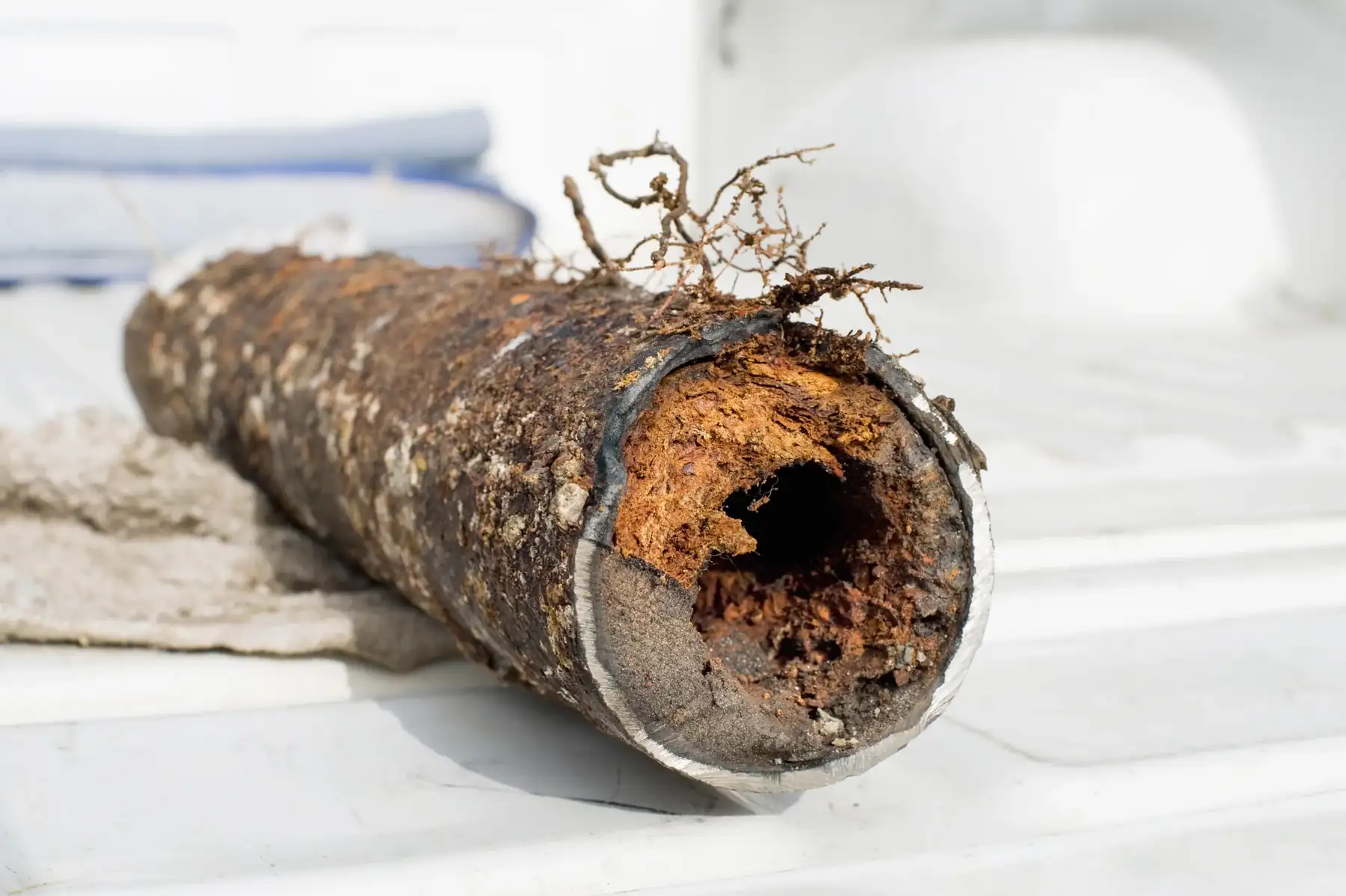
Deformation is a loss of the pipe’s original shape. On camera, the bore may appear oval, flattened or otherwise distorted. Pitch fibre and some flexible pipe systems can deform, but the cause and significance cannot be established from appearance alone. A collapse is a more severe structural failure and may present as severe distortion, broken pipe, displaced material or an obstruction.
Significant deformation or collapse can affect both flow and the structural condition of the drain. Excavation, replacement or a trenchless repair may be considered depending on the extent of the damage and whether a suitable bore remains. We can help arrange surveys before relining so the condition can be assessed before a repair method is chosen.
Scale, fat and infiltration
Scale and fat deposits can build up on the pipe wall and reduce the available bore. CCTV can show the extent of visible deposits, although the camera alone may not establish exactly what a deposit consists of. Cleaning options depend on the material, thickness of the deposit, pipe condition and access.
Infiltration is water entering the pipe through a defect. On camera, this may appear as water entering through a crack, joint or connection. The amount can vary with ground conditions. CCTV can help locate visible points of entry, while further investigation may be needed to establish the source and appropriate repair.
Defective connections
A connection defect is where a branch or lateral joins the main pipe. On camera, you may see a protruding pipe, a broken connection or a gap around the junction. A defective connection can allow roots to enter, cause blockages or leak. The repair depends on the type of connection and the pipe material. Some can be patched or lined; others need excavation.
Where the drainage layout is unclear, a drain mapping survey can help establish how connections run and where they join. We can help with mapping and with the investigation needed before repairs are planned.
Defect codes and what they mean
Many CCTV reports use a defect coding system. MSCC5, the fifth edition of the Manual of Sewer Condition Classification, is used within the UK water industry to classify sewer defects. Codes provide structured descriptions of observations such as cracks, roots, displaced joints and connections. Not every survey is coded, and the report should identify the standard used where coding is provided.
If you have a report with codes you do not understand, we can help with a plain English explanation. A code decoder can help you match letters to defect types, but it does not replace the surveyor’s notes or the original recording. We can help with a second opinion on a report or with booking a new survey if the existing one is unclear.
Deciding on a repair route
The repair route depends on the defect, pipe material, access and site conditions. Cleaning may be needed where deposits prevent a clear inspection. Local lining, longer relining and excavation are possible repair routes in different circumstances, but suitability should be established from the condition and geometry of the pipe rather than assumed from the defect name alone.
No repair should be planned from a CCTV survey alone without considering the ground conditions, the pipe’s role and any permissions needed. If the drain is shared or public, the water company may have requirements. We can help with surveys before relining and with understanding what a repair involves. If you have a report and want a second opinion, send it to us and we can help with the next steps.
Free online tool
Build Over Agreement Checker
Check what to ask your sewerage company before building near a drain or sewer.
Common questions
Frequently asked questions
Can a CCTV survey tell me if a crack is leaking?
Not directly. The camera shows the internal surface, but it cannot confirm whether water is escaping through a crack. Infiltration may be visible as water entering the pipe, but a dry crack may still leak into the ground. A dye test or pressure test can provide more evidence.
What does a displaced joint look like on camera?
A displaced joint appears as a step or lip where one pipe section has moved relative to the next. The amount of displacement, pipe alignment, surrounding defects and effect on flow all matter when deciding what action is needed.
Do roots always mean the drain needs relining?
No. Fine roots can be jetted or cut out. Relining is one option to seal the entry point, but it depends on the pipe condition, access and whether the pipe is round enough to line. Sometimes a patch lining over the affected joint is sufficient.
What is the difference between deformation and collapse?
Deformation is a loss of the pipe's original shape, such as an oval or flattened bore. Collapse is a more severe structural failure and may involve major distortion, broken pipe or displaced material. The repair depends on the extent of the failure, access and whether a usable bore remains.
Can I use a defect code decoder to understand my report?
A decoder can help match codes to defect types, but it does not replace the surveyor's notes or the original recording. Codes are shorthand and their meaning depends on the standard used. If you are unsure, a second opinion on the report can help.
Request a quote
Complete the form and we will get back to you.