

CCTV drainage surveys
Sectors
Different sites need different information from a drain CCTV survey. These sector pages explain how survey scope, access and reporting can change for housebuilders, facilities teams, industrial sites, utilities and insurance claims.
Drain CCTV Surveys by Sector
The survey method may be similar across different sites, but the purpose and specification can vary. A developer may need evidence for a Section 104 adoption, a facilities manager may be investigating repeat blockages, and an insurer may need a clear record of visible defects. Each sector page explains the practical survey requirements for that setting.
We can help with drain CCTV surveys across these settings, and with the supporting work that often sits alongside them, such as drain mapping and drain dye testing.

Housebuilders and Developers
New drainage offered for adoption has to meet the adopting body’s requirements. Survey timing matters because incomplete or obstructed pipework may not be ready for a useful inspection. The sector page covers what to check before booking, how defects are recorded and how the survey supports the adoption process.
Facilities Management
On a managed site, drainage problems may appear as repeat blockages, slow drains or odour rather than a single obvious failure. A survey can record visible defects, restrictions and other conditions that may help narrow down the problem. The page explains how to plan access around occupied buildings and what a report can and cannot establish.
Industrial Sites
Industrial drainage can involve trade effluent, process water, restricted access and site-specific hazards. These factors affect how a survey is planned and what controls may be required before work starts.
Utilities
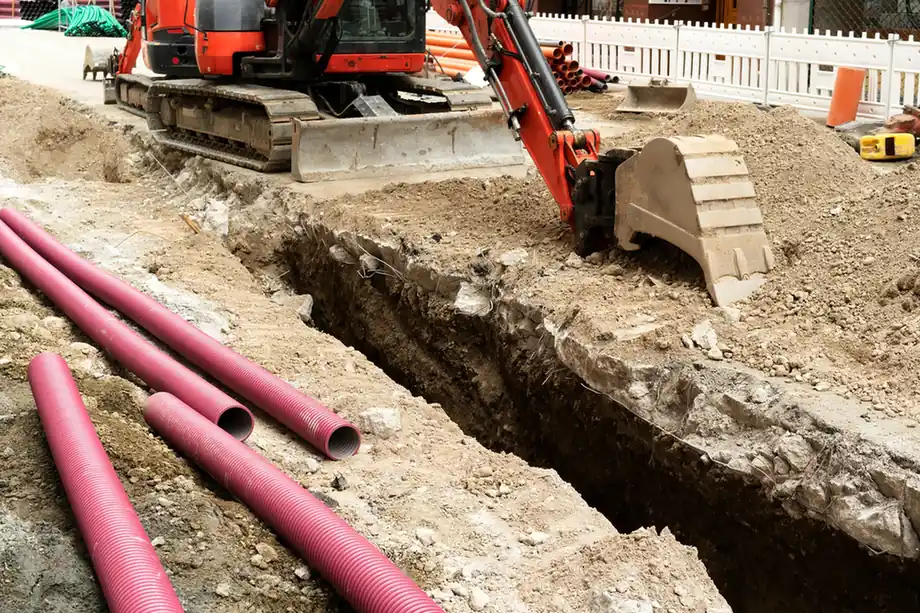
Utility drainage work often involves larger pipes, deeper manholes and strict safety controls. Survey specifications may follow a defined coding standard, and the report needs to match that specification. The page covers what a survey can record, how condition coding is agreed in advance, and where the limits of a camera survey lie.
Insurers and Loss Adjusters
For a claim, the survey provides evidence of visible drainage condition, including the location and appearance of defects. A report can support a decision but does not by itself prove cause or liability. The page explains how survey scope is agreed and what the footage can establish.
Choosing the Right Sector Page
If your site does not fit neatly into one category, the underlying survey questions are similar. Start from what you need to know: a defect location, a condition record, an adoption submission or evidence for a claim. The drainage survey page covers the general approach, and CCTV drain survey reports explains how findings are presented.
Where a survey is needed before a repair method is chosen, a survey before relining sets out why the pipe condition and preparation matter. For sites where access is tight or manholes are deep, drain survey access requirements covers what to check in advance.
Safety and Standards
Work in or near drains can involve confined spaces, and the risks must be assessed before anyone enters. The Health and Safety Executive sets out duties under the Confined Spaces Regulations 1997, including avoiding entry where possible and following a safe system of work where it is not. This is competent specialist work, not a task to attempt without the right controls. See HSE confined spaces legislation.
For building work in England, see Approved Document H. Other parts of the UK have their own building standards and drainage requirements, so the applicable guidance should be checked for the site.
What a Survey Can and Cannot Show
A camera survey shows the visible internal surfaces of the pipe. It cannot detect every defect, and it cannot see through deposits, standing water or debris. Report contents and coding depend on the specification agreed before the work. Not every survey is graded, and where a grading standard such as MSCC5 is used, that should be confirmed in advance. Water company requirements must also be confirmed before a survey is specified.
If you are unsure which sector page applies, the services overview lists the survey types, and the guides section covers common drainage problems in more detail.
Free online tool
Build Over Agreement Checker
Check what to ask your sewerage company before building near a drain or sewer.
Common questions
Frequently asked questions
Which sector page should I read if my site does not match any category?
The general drainage survey and CCTV drain inspection pages cover the same core survey process. The sector pages mainly differ in the questions that matter, such as adoption evidence, trade effluent awareness or claim documentation.
Do the sector pages cover pricing?
No. Pricing depends on the survey scope, site conditions, access and reporting requirements. A quote is needed once the job details are known.
Can a drain CCTV survey confirm whether a defect caused a specific problem?
A survey records what is visible on the internal pipe surfaces and where defects sit. It can support an assessment of cause, but it does not by itself prove cause or liability, and it cannot see through deposits or detect every defect.
Are the rules the same across the UK?
No. Building regulation guidance and water company requirements differ between England, Wales, Scotland and Northern Ireland. The applicable rules should be confirmed for the nation where the site is located before a survey is specified.
Request a quote
Complete the form and we will get back to you.