

CCTV drainage surveys
Drain Surveys for Housebuilders and Developers
Drainage surveys may be needed at several stages of a housing development. Existing systems can be checked before work starts, new drainage can be inspected while access is available, and adoption work may require further survey evidence. We can help arrange surveys around groundworks and programme dates.
Why phased drainage surveys matter on housing sites
Drainage can need inspection at several stages of a residential development. Existing runs may need checking before demolition or enabling works, while new drainage is easier to inspect before later construction restricts access. Adoption requirements can add further survey stages, so it is useful to establish the required inspections early in the programme.
We can help with drainage surveys before enabling works, during construction, ahead of adoption and during a maintenance or defects period where further investigation is needed. The scope and reporting should reflect what the survey is being used to establish at that stage.
Existing drainage before work starts
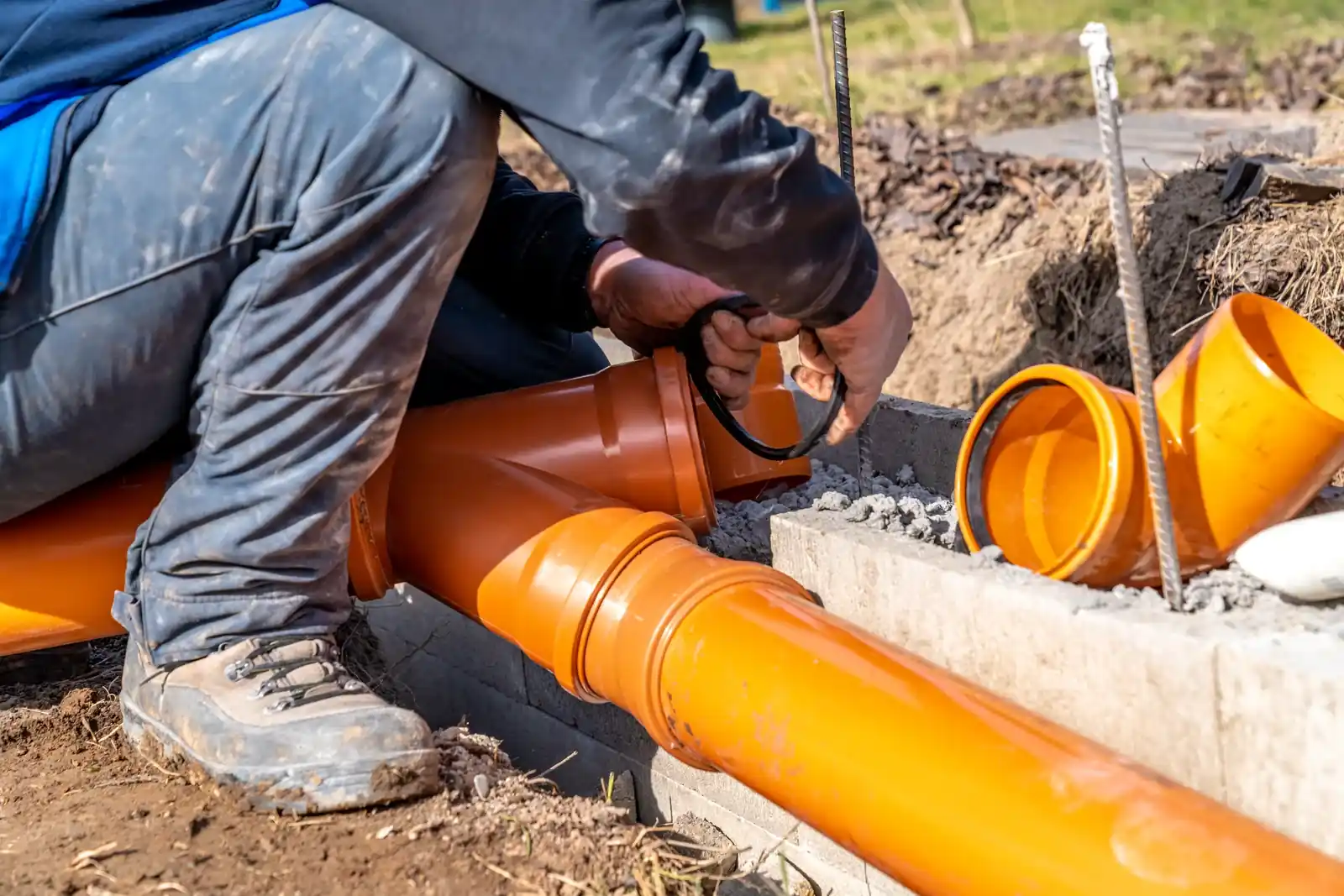
On redevelopment sites, an early survey can help record accessible existing drainage before work starts. CCTV can show visible pipe condition, direction of survey and connections encountered within the inspected runs. Drain mapping, chamber measurements or other investigation may also be needed where the position, depth or wider layout has to be established.
Existing drainage may be affected by silt, roots, damage or other obstructions. CCTV shows the visible internal surface of the pipe, so cleaning may be needed where deposits prevent a useful inspection. Any cleaning requirement should be identified when the survey is scoped.
Build over and connections to public sewers
Work over or near a public sewer may require the agreement of the relevant sewerage undertaker. The distance limits, application process and survey requirements depend on the asset and the undertaker, so the requirements should be checked before work starts. Where CCTV is required, the survey can record the accessible sewer’s position, condition and relevant site references.
We can help with build over CCTV surveys where CCTV evidence is required. The survey records the accessible sewer condition and relevant connections. It does not grant permission to build over or near the sewer. Approval and any conditions remain with the sewerage undertaker.
Pre-adoption and Section 104 surveys
Under a Section 104 agreement, drainage intended for adoption must meet the requirements of the agreement before responsibility transfers to the sewerage company. Where CCTV inspection is required, the survey scope and report format should follow the project and sewerage company requirements.
We can help with Section 104 adoption CCTV surveys covering the agreed drainage scope. The survey can record issues such as debris, joint defects, deformation and problems at connections, with references that allow remedial work to be located.
Confirm the sewerage company’s survey and reporting requirements before the work is specified, including any required coding and whether further inspection is needed after remedial work.

Coding and reporting
MSCC5 is the current UK water-industry standard for CCTV sewer condition classification. Whether it is required, and what reporting format is needed, depends on the purpose of the survey and the project specification. A connectivity check may need different information from a formal condition or adoption survey.
We can help with MSCC5 drain surveys where that level of detail is required. The report contents and coding depend on the agreed specification, so it is worth deciding early whether the output is for a water company, an engineer, or internal records. A report built for one purpose may not satisfy another.
Defects period and repeat surveys
During a maintenance or defects period, a repeat survey can be used to investigate reported problems or compare the drainage with an earlier record. Where the same runs and references are available, it can help show whether the visible condition has changed.
Where comparable earlier survey records are available, a later inspection can help show changes in visible condition. Defects should be referenced clearly enough for the affected section of drainage to be located for further investigation or remedial work.
Access, safety and site conditions
Survey work on a live housing site has to fit around other trades. Manholes may be covered, buried or full. Some runs are only accessible from one end. Where access is limited, the survey may need to be split or deferred until the relevant section is exposed.
CCTV inspection is normally carried out from chambers without entering the drainage system. Where confined-space entry is required, the work must be planned and carried out in accordance with the Confined Spaces Regulations 1997.
Standards and national differences
In England, Approved Document H provides statutory guidance on drainage and waste disposal. Adoption requirements are separate and should be confirmed with the relevant sewerage company for the site.
For sites elsewhere in the UK, confirm the applicable drainage, building-control and adoption requirements before the survey is commissioned. We can help arrange the survey to the specification provided for the project.
What a survey can and cannot show
A CCTV survey shows the visible internal surfaces of the pipe. It can identify cracks, displacement, root ingress, debris, deformation and some connection faults. It cannot detect every defect, see through heavy deposits, or confirm the structural condition of the surrounding ground. Where a pipe is silted or scaled, the survey may only cover part of the bore.
For developers, the CCTV survey is one part of the project record alongside drawings, design information and site records. It provides a dated record of the accessible internal condition of the drainage at the time it was surveyed.
Free online tool
Build Over Agreement Checker
Check what to ask your sewerage company before building near a drain or sewer.
Common questions
Frequently asked questions
When should drainage surveys be carried out on a housing site?
There is no single survey stage that suits every development. Existing drainage may be surveyed before enabling works, new drainage can be inspected while access is available, and further surveys may be required for adoption or during a maintenance or defects period. The sequence depends on the site and project requirements.
What coding is used for adoption surveys?
MSCC5 is the current UK water-industry standard for CCTV sewer condition classification. The coding and report format required for an adoption survey should still be confirmed from the project specification or with the relevant sewerage company before the survey is commissioned.
Does a build over survey give permission to build over a sewer?
No. A CCTV survey provides evidence about the accessible sewer where that information is required. It does not grant permission to build over or near a sewer. The relevant sewerage undertaker decides whether an agreement is required and whether the proposed work is acceptable.
Can a CCTV survey find every defect in a drainage system?
No. A camera survey shows the visible internal surfaces of the pipe. It can identify cracks, displacement, root ingress, debris and some connection faults, but it cannot detect every defect or see through heavy deposits. Where a pipe is silted or scaled, cleaning may be needed before a usable record can be produced.
Request a quote
Complete the form and we will get back to you.