
CCTV drainage surveys
Drain and Sewer Surveys for Utilities
We can help with drain and sewer surveys for utilities where access, flow conditions, cleaning requirements and the reporting specification need to be agreed before work starts.
What utility drainage surveys involve
Utility drainage is rarely a single pipe run. A site may hold carrier drains, culverted watercourses, highway gullies and connections, pumping station wet wells, and surface water outfalls. Each has a different access point, a different flow pattern and a different reason for being surveyed. Some work supports planned maintenance. Some follows a collapse, a pollution incident or a repeat blockage. Some is tied to a framework agreement where the reporting format is fixed in advance.
The survey itself is a camera inspection of the visible internal pipe surface. The camera system depends on the pipe, access and route. Silt, standing water and heavy deposits can restrict the view, so cleaning or other preparation may be needed before the condition can be assessed properly.
We can help with drain and sewer surveys for utilities where pipe size, access, flow conditions and reporting requirements need to be considered before work starts.
Large Diameter Pipes and Culverts
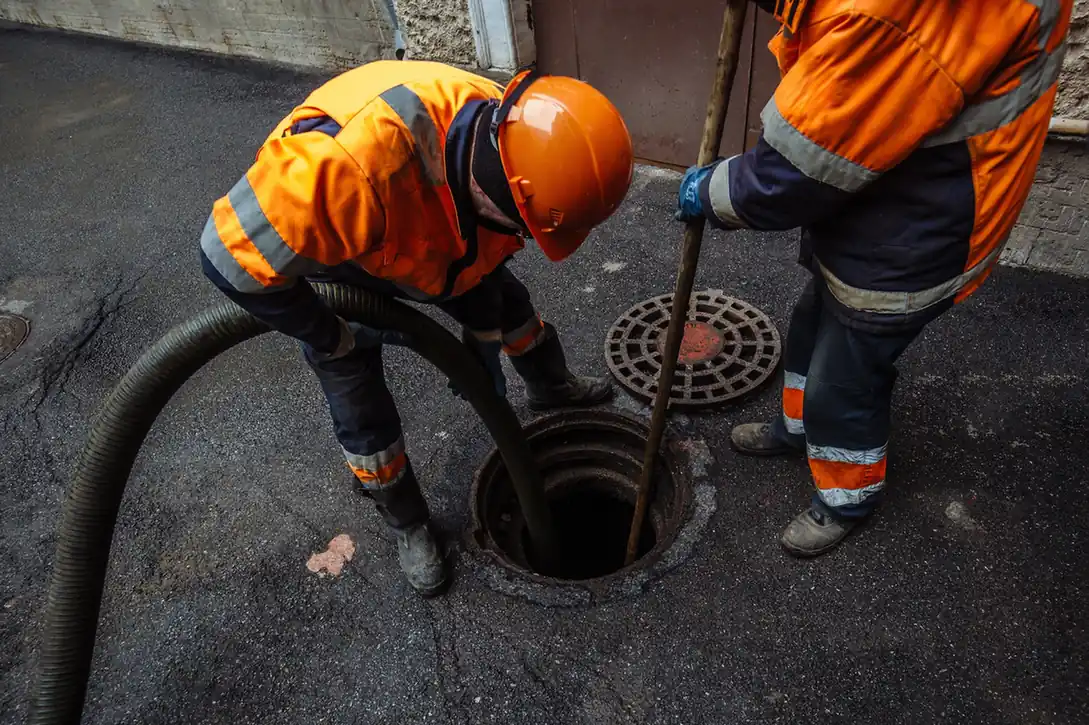
Larger pipes can require a different survey method depending on diameter, access, flow and condition. Where the work meets the definition of a confined space, the Confined Spaces Regulations 1997 require entry to be avoided where the work can reasonably be done from outside. If entry is unavoidable, a safe system of work and suitable emergency arrangements are required.
Culverts may be partly filled with silt, include bends or changes in cross section, or carry variable flows. Where the camera cannot pass, the survey may only cover part of the route and the report should identify that limitation. Flow management or a lower-flow survey window may be needed on some sites.
Highway Drainage
Highway drainage can include gullies, carrier pipes, catchpits and outfalls. Access may be through chambers in or beside the carriageway, and silt, roots or damaged pipework can restrict the survey. Where work affects a live road, the required traffic management and highway permissions need to be established as part of the survey plan.
Access, Flow Control and Cleaning
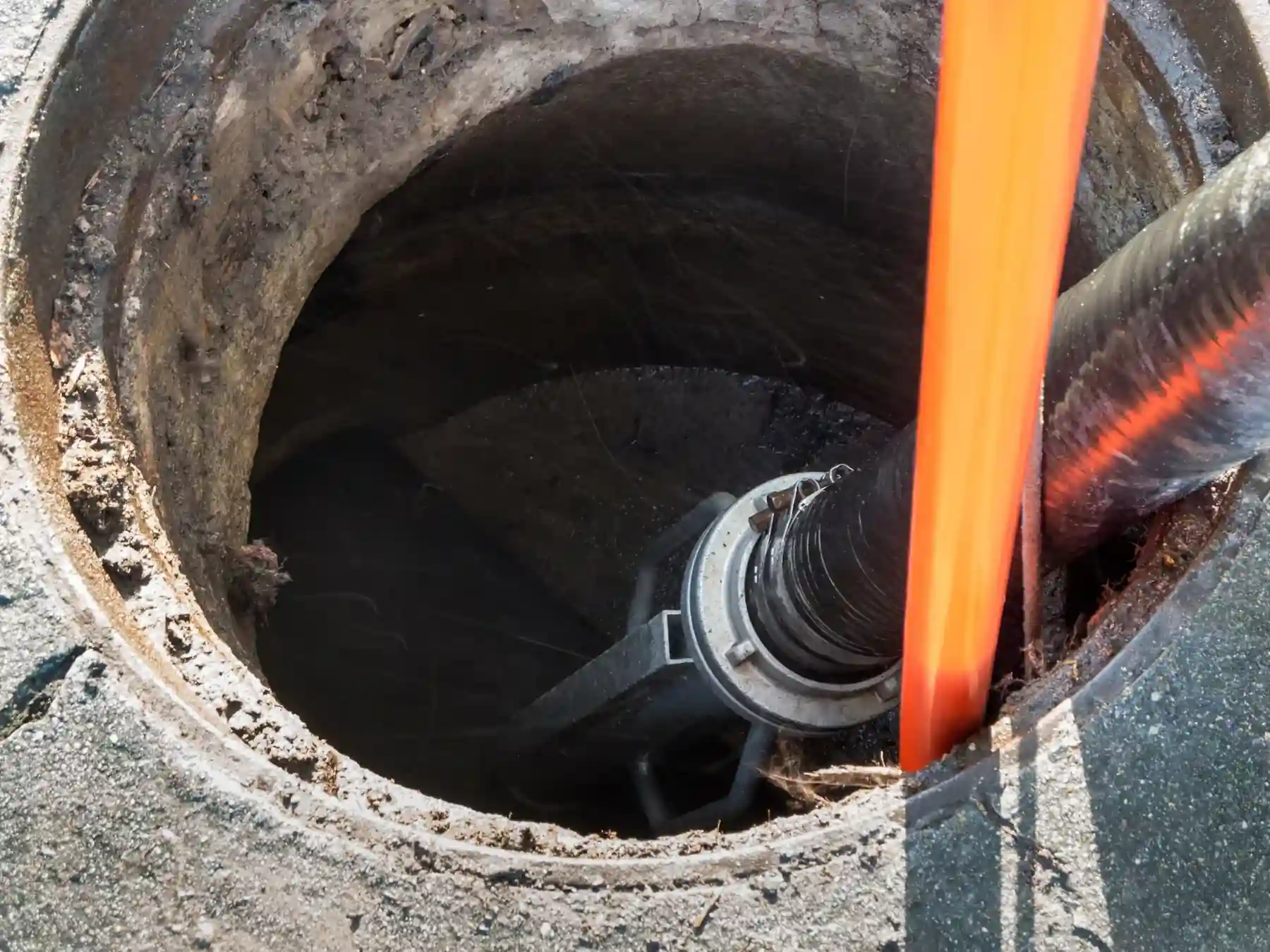
A survey is only as good as the access it starts from. Manhole covers may be seized, buried or unsuitable for the equipment. Chambers may also present access or safety constraints. High flow, standing water, silt and debris can restrict visibility or prevent a complete run. These practical conditions shape the survey plan.
Where silt, deposits or roots obstruct the view, cleaning or other preparation may be needed before the pipe condition can be assessed properly. Some jobs are staged so an initial inspection identifies the obstruction, followed by cleaning and a further survey. The MSCC5 drain survey coding system may be specified for utility work, but not every survey is graded and the coding used depends on the client’s requirements.
Reporting Standards and Specifications
Utility clients often work to a defined specification. That may be the Manual of Sewer Condition Classification, a framework standard, or an internal format. The report contents and coding depend on what has been agreed before the survey starts. A report produced to one standard may not satisfy another, so the specification should be confirmed in writing at the outset.
A CCTV report describes the visible internal condition of the pipe at the time of survey. Deposits, water and restricted access can limit what is seen, and the report should record those limitations. The survey does not by itself confirm legal or regulatory compliance.
Where a survey is part of a wider drainage investigation, drain mapping can record the layout and connectivity of the network, and drain dye testing can trace connections where the camera cannot follow a route.
Safety and Competence
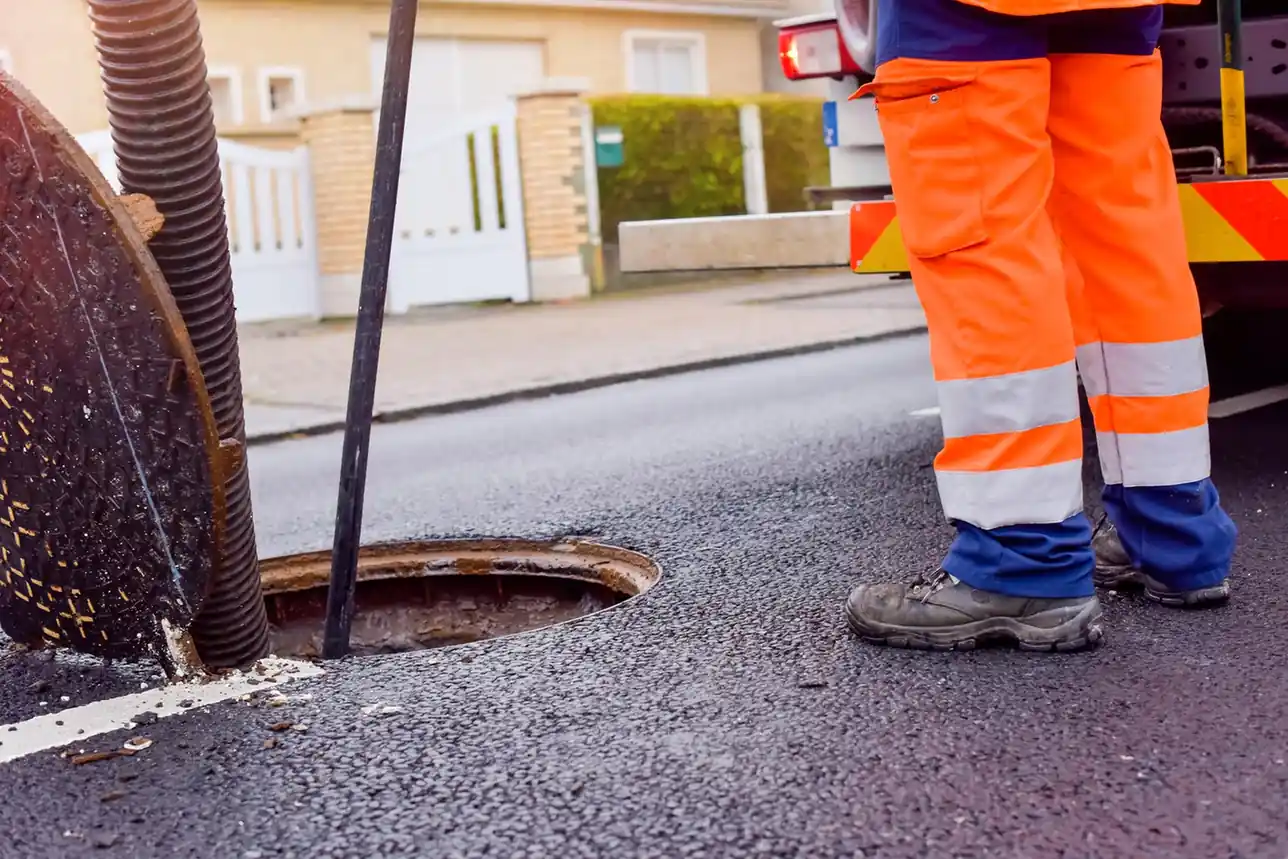
Deep chambers, live flows, confined spaces and highway locations can all affect how a utility drainage survey is carried out. The survey method and safety controls need to reflect the actual site conditions, with confined space entry avoided where the work can reasonably be completed from outside.
We can help with the planning and specification of drain and sewer surveys for utilities, including large diameter pipes, culverts and highway drainage. The physical survey work is specialist work, and the method should match the pipe, the access and the flow conditions on the day.
Frameworks and Subcontract Surveys
Utility and framework work often involves surveys delivered to a client’s specification, with defined coding, reporting format and turnaround. The practical points that decide whether a survey runs smoothly are usually the same: confirmed access, a realistic flow window, cleaning where needed, and a reporting standard agreed before mobilisation. Where a survey is part of a larger programme, the sequence of inspections, cleaning and any follow-up work should be planned so that a partial result does not hold up the rest of the programme.
For the survey method itself, see sewer CCTV survey.
Free online tool
Build Over Agreement Checker
Check what to ask your sewerage company before building near a drain or sewer.
Common questions
Frequently asked questions
Can a CCTV survey see through silt or standing water?
No. A camera records the visible internal surface of the pipe. Silt, standing water and heavy deposits can hide parts of the pipe, so cleaning may be needed before a useful condition assessment can be made.
Is every utility drain survey graded to MSCC5?
Not necessarily. The coding and report format depend on the specification agreed with the client. If MSCC5 is required, that should be confirmed before the survey starts.
Do you enter large diameter pipes to survey them?
Where the work meets the definition of a confined space, entry should be avoided where the survey can reasonably be completed from outside. If entry is unavoidable, a suitable safe system of work and emergency arrangements are required.
Can a survey confirm a pipe is free from defects?
No. A survey shows the visible internal condition at the time of inspection. It cannot detect every defect, see behind the pipe wall, or confirm legal compliance on its own.
Request a quote
Complete the form and we will get back to you.