
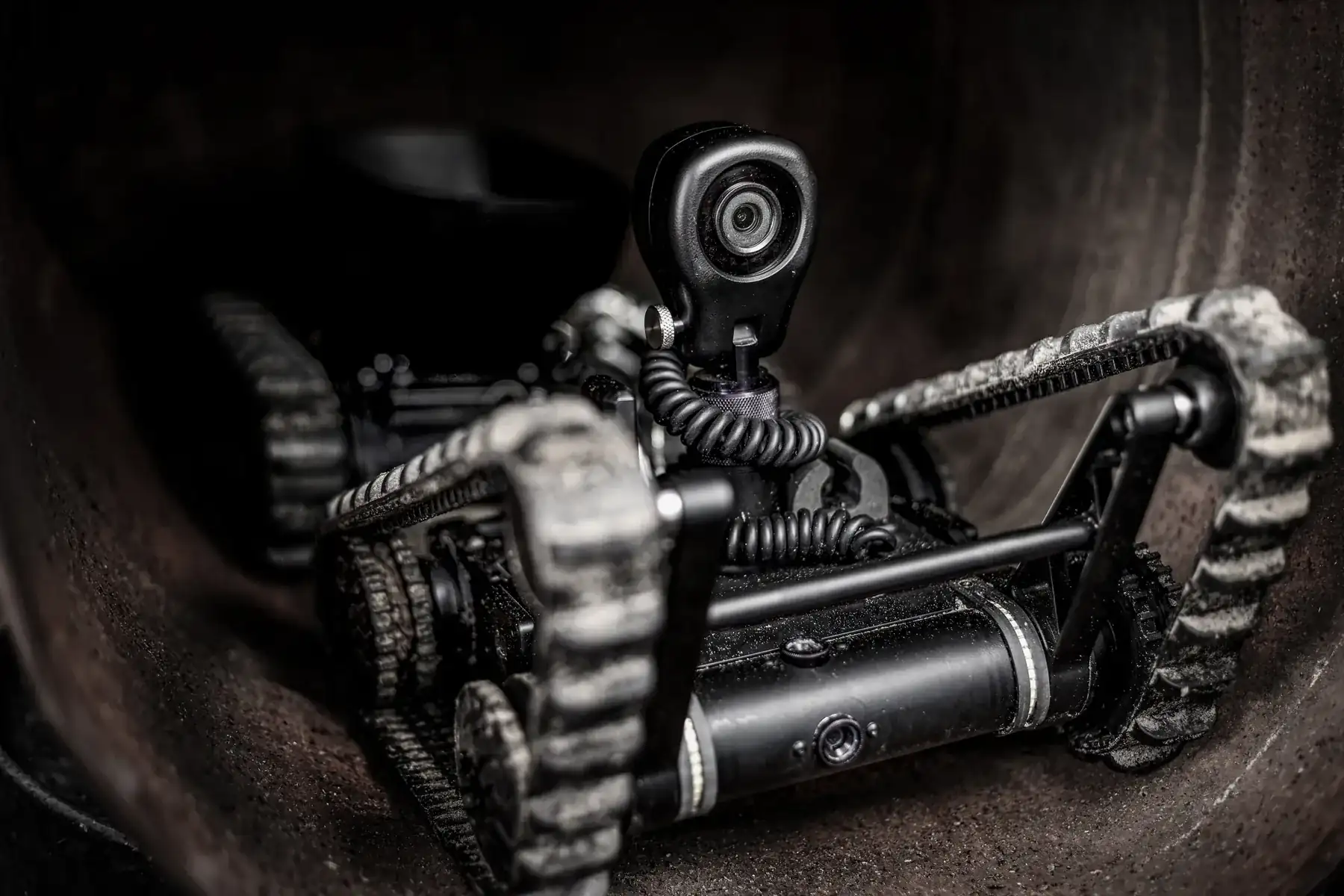
CCTV drainage surveys
Drain Surveys for Insurers and Loss Adjusters
Drainage condition can be relevant to subsidence, escape of water and accidental damage claims. A CCTV survey records what is visible inside the pipe and gives adjusters evidence to consider alongside the rest of the claim.
Why drainage matters in insurance claims
Drainage is not always the first thing considered when a claim arrives. Where movement, damp or water damage is being investigated, the condition of below-ground drainage may form part of the evidence. A CCTV survey can record visible defects so they can be considered alongside structural, leak-detection and other findings.
We can help with drain surveys for insurers and loss adjusters where drainage condition needs to be established as part of a claim. The survey records what the camera can see inside the pipe. It does not prove cause on its own, but it gives the adjuster a factual record of defects, deposits and connections that can be weighed against other evidence.
Subsidence investigations
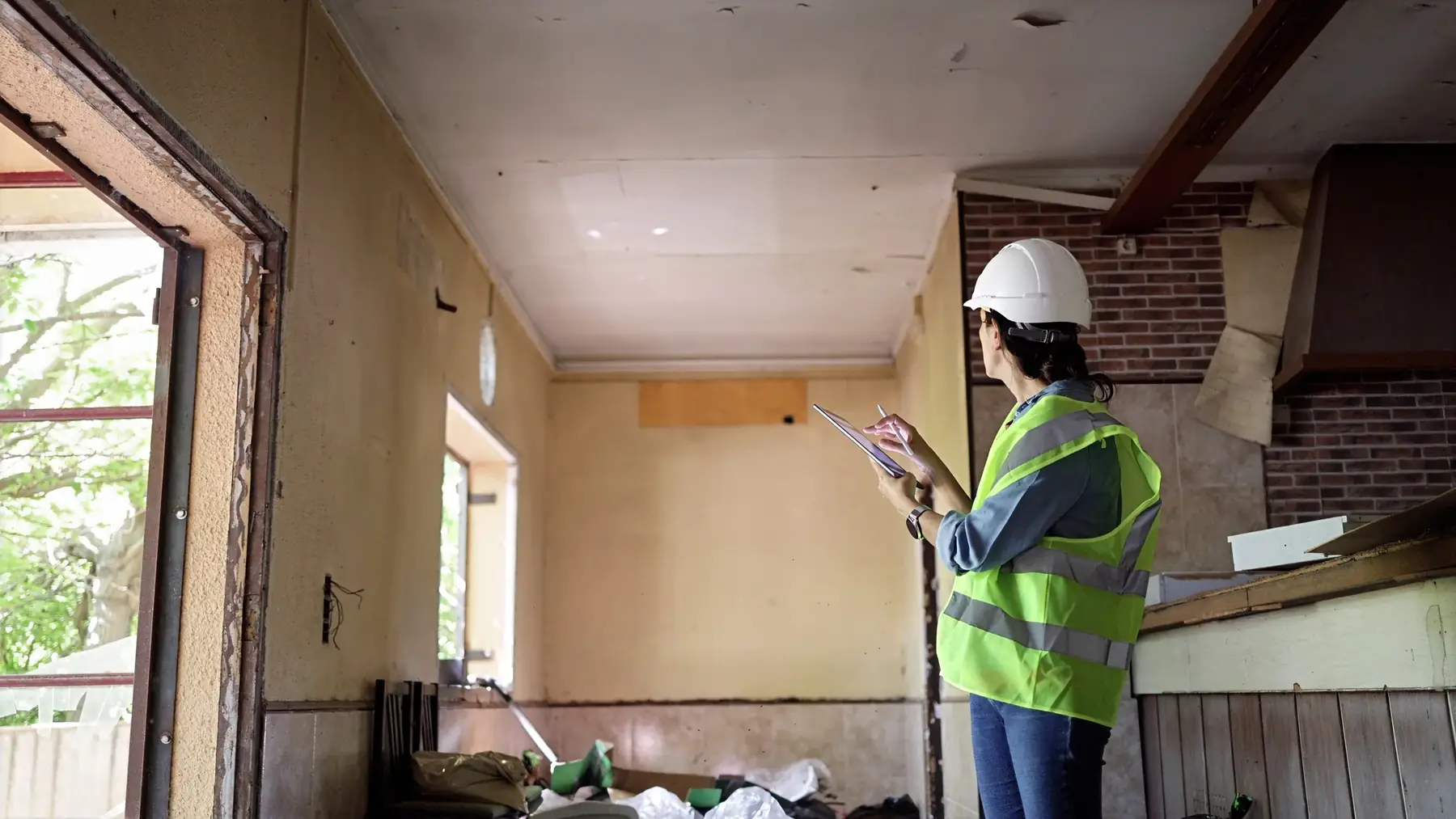
Subsidence investigations may include drainage alongside structural and ground evidence. Where pipework runs close to a building, a CCTV survey can record visible drainage defects for consideration as part of the wider investigation.
A CCTV survey can show cracks, displaced joints, root ingress and deformation where these are visible. It cannot show the extent of voiding around the pipe or confirm that water has reached a foundation. Those questions may require ground investigation and engineering judgement. The survey provides a record of visible drainage condition to support the next decision.
Where a drain passes under or close to a building, the survey may need to cover the full run rather than only the accessible section. Access points, pipe depth and the presence of bends all affect what can be seen. If no suitable access exists, that limitation should be recorded rather than assumed away.
Escape of water claims
Escape of water claims can involve supply pipes, heating pipes, soil and vent pipes, and foul or surface water drains. The source is not always obvious. Water can travel along a pipe run, through a service duct or within a wall cavity before it appears.
We can help with CCTV surveys where a below-ground drainage defect is suspected. The camera can record visible cracking, joint displacement, root ingress or blockages. Dye testing can be used alongside CCTV to help trace connections or the route water takes through the drainage system. It does not measure a leakage rate and does not replace testing of supply pipework.
For escape of water claims, it helps to know what the survey can and cannot establish. A camera sees the internal surface of the pipe. It cannot see through soil, and it cannot measure how much water is being lost. Where the loss is intermittent, a single survey may not capture the condition at the time water is escaping.
Accidental damage and drainage defects
Accidental damage claims can involve a drain struck during building work, a pipe crushed by a vehicle, or damage caused by ground movement. The survey records the visible condition of the pipe and the location of any defect relative to access points and connections.
Where repair is proposed, the survey can be used to scope the work. A localised defect may be repairable by excavation, while a run of cracked or displaced pipe may need relining or replacement. The survey does not determine the repair method on its own. Pipe material, depth, access and the nature of the defect all affect what is feasible.
We can help with pre-repair surveys where the adjuster needs to understand the extent of damage before authorising work. The report can be used to compare the condition of the drain before and after repair, although a second survey is needed for that comparison.
Report standards for claims
Insurance work often requires a report that can be read by someone who was not present at the survey. The report should identify the access points used, the direction of flow, the pipe material and diameter where visible, and the location of any defect. Photographs and video should be referenced to the survey so the reader can see what the camera saw.
Coding of defects depends on the specification agreed before the survey. Where MSCC5 or another coding standard is required, that should be confirmed before the survey is specified. Other claims may only require a descriptive report with the agreed photographs, video and condition information.
Survey records, photographs and video provide a traceable record of what was inspected and what was visible at the time. They do not replace the judgement of the adjuster or engineer handling the claim.
Access and safety
Drain surveys are usually carried out from existing manholes, inspection chambers, rodding eyes or other access points. Where access is limited, the survey may cover only part of the run. That limitation should be recorded in the report so the reader knows what was not seen.
Some drainage work involves confined spaces. Entry into a confined space is safety-critical work and must be carried out by competent specialists under a safe system of work. The same applies to any work near live services or in ground that may be contaminated. A CCTV survey from outside the pipe avoids entry in most cases, but the access point itself still needs to be assessed.
Where a claim leads to repair or alteration work, the applicable building control and sewerage undertaker requirements should be checked before the work is specified.
What a survey can and cannot show
A CCTV survey shows the visible internal surface of the pipe. It can reveal cracks, fractures, displaced joints, root ingress, scale, debris and deformation. It cannot detect every defect. Deposits can hide the pipe wall, and a camera cannot see through standing water or soil. A pipe that looks sound on camera may still leak through a joint that is not visible from inside.
Where a defect is found, the survey records its location and appearance. Any repair, cleaning or waste-handling requirements should be assessed separately according to the work involved.
For claims where drainage is one of several possible causes, the survey is one piece of evidence. It should be read alongside structural reports, soil analysis, leak detection and the history of the property.
Related surveys
Where a claim involves a repair, a drain survey before relining can establish whether the pipe is suitable for lining. For properties with shared or adopted sewers, a sewer CCTV survey may be needed. Where the question is whether two drains connect, drain dye testing can be used alongside CCTV. For commercial or mixed-use sites, a commercial drain survey covers larger and more complex drainage systems.
Building regulations for drainage in England are set out in Approved Document H. Safety requirements for work in confined spaces are explained by the Health and Safety Executive.
Free online tool
Build Over Agreement Checker
Check what to ask your sewerage company before building near a drain or sewer.
Common questions
Frequently asked questions
Can a drain survey prove that drainage caused subsidence?
No. A CCTV survey records the visible condition of the pipe. It can show whether a drain is defective, but it cannot confirm that water from that defect reached a foundation or caused ground movement. That judgement needs ground investigation and engineering evidence alongside the survey.
What report format is used for insurance claims?
The format depends on what is agreed before the survey. Where MSCC5 or another coding standard is required, that should be specified in advance. Other claims may use a descriptive report with the agreed photographs, video and condition information.
Does a drain survey cover the whole drainage system?
It covers what can be reached from available access points. Where access is limited, or where a pipe is blocked or full of debris, part of the run may not be visible. The report should record what was and was not surveyed.
Can dye testing replace a CCTV survey?
No. Dye testing can help trace whether drainage points connect or where introduced water travels through the system, but it does not show the internal condition of the pipe. CCTV and dye testing may be used together where both connection and condition need to be investigated.
Request a quote
Complete the form and we will get back to you.