
CCTV drainage surveys
CCTV Drain Survey Leeds
CCTV drain surveys in Leeds for back-to-back and through terraces, rented houses and drains that keep blocking, with camera inspection to identify visible defects and investigate pipe routes.
Request a quote
Complete the form and we will get back to you.
CCTV drain surveys in Leeds
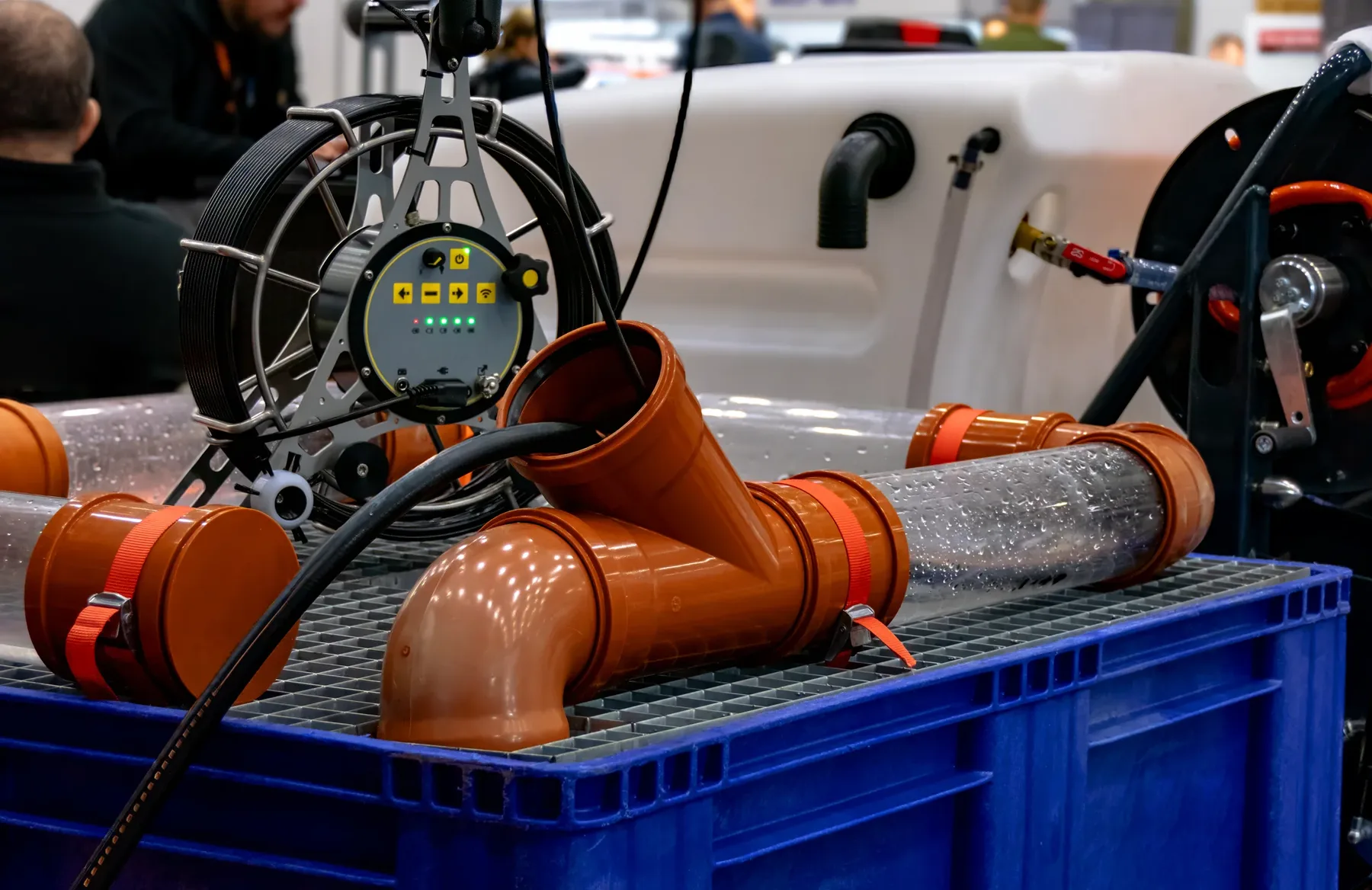
A CCTV drain survey helps investigate why a drain keeps blocking, whether a house you are buying has drainage defects, and where the pipes run. A drain camera is passed through accessible pipework, usually from inspection chambers, to examine the condition of the drain and look for cracks, displaced joints, roots, deposits and other problems. The footage can also help establish the drainage layout and identify sections that need further investigation.
Leeds still has a large stock of pre-1919 back-to-back terraces alongside through terraces, interwar semis and newer estates. The older rows in particular can have drainage arrangements that differ from house to house, so establishing the layout is often an important part of understanding a recurring problem. Leeds City Council identifies the continued use of older back-to-back housing in its Leeds Housing Strategy.
- Yorkshire Water sewers: Yorkshire Water generally maintains public and shared sewers and lateral drains outside property boundaries.
- Back-to-back drainage: Drainage routes vary between older terraces, with pipes sometimes passing through shared areas or connecting with neighbouring properties.
- Combined system: Many road gullies connect to sewers carrying foul and surface water, so heavy rain can affect drainage conditions.
Yorkshire Water and the council
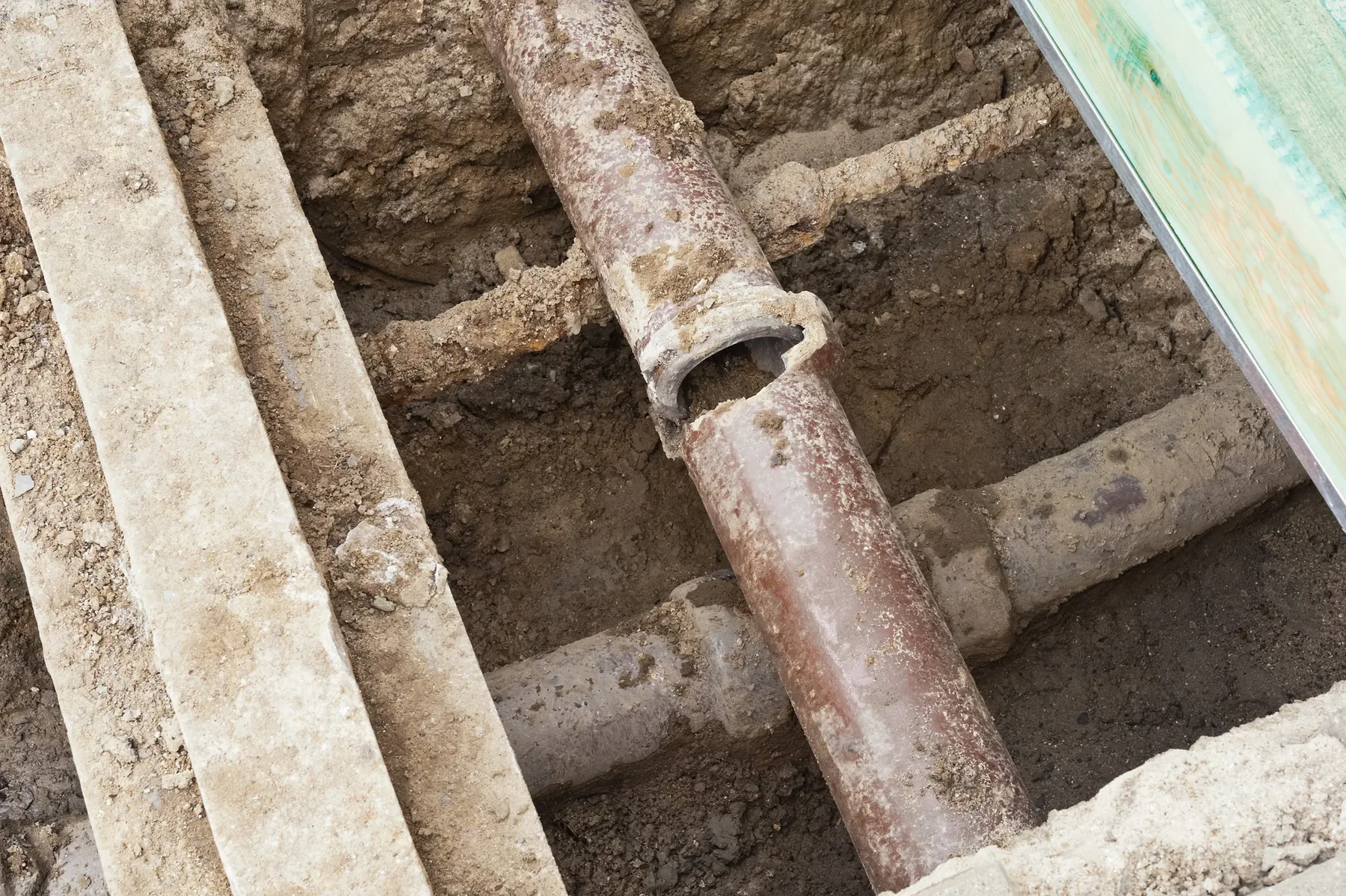
Yorkshire Water is generally responsible for public sewers, shared sewers and lateral drains outside property boundaries in Leeds. Leeds City Council cleans gullies on publicly maintained highways and notes that most road gullies connect to public sewers carrying both foul water and surface water. Property owners are normally responsible for private drains serving only their property within its boundary. The council explains the distinction on its gullies, manholes and drains page.
The transfer of many formerly private sewers and lateral drains to water companies took place in 2011, under the Water Industry (Schemes for Adoption of Private Sewers) Regulations 2011. The route and connections of a pipe can help establish which drainage asset needs attention.
Heavy rain can affect drainage where foul water and surface water enter the same sewer system. A chamber that backs up during prolonged rainfall may have a restriction in the property’s drainage, or the problem may be further downstream. CCTV footage can help identify visible restrictions and defects in accessible pipework, although conditions in the public sewer may need separate investigation.
Back-to-back houses
Back-to-backs share a rear wall with the house behind, so there is no conventional rear yard between those two properties. Drainage routes can therefore differ from those found in through terraces. Pipes may leave towards the front or end of a row, pass beneath shared areas or connect with drainage serving neighbouring properties.
Inspection chambers may be difficult to locate, particularly where alterations, paving or later building work have changed access arrangements. The position of a soil pipe does not necessarily establish the complete underground route. An inspection can help identify accessible connections, check the condition of the pipework and indicate where the route remains uncertain.
Where the layout needs recording for repair work or alterations, drain mapping can help document pipe routes, chambers and connections. This is particularly useful where several properties appear to share part of the drainage system.
Rented and shared houses
Many Leeds terraces are let, including to students and sharers. Repeated blockages can be associated with wipes, fat, food waste or other material entering the drainage system. Structural defects can cause similar symptoms, particularly where a displaced joint, damaged section or low point allows debris to collect.
For landlords and managing agents, CCTV inspection can help distinguish visible pipe defects from deposits or obstructions. The findings can inform discussions about cleaning, repairs and further investigation, particularly where the same section has blocked more than once.
Where a structured condition assessment is required, an MSCC5 coded drain survey uses recognised defect descriptions and coding. This can be useful when drainage findings need to be reviewed by a repair contractor, insurer or managing agent.
Buying in Leeds
A general building survey does not normally include an internal camera inspection of underground drains. On an older terrace, a homebuyer drain survey before exchange can help identify cracked clay pipes, open joints, root intrusion, deposits and other visible defects.
Drainage can also have changed during extensions, bathroom alterations or previous repairs. An inspection may reveal unexpected connections or inaccessible sections that deserve further attention before a purchase. For adjoining terraces, understanding which pipes appear to be shared can be as important as identifying a defect.
What the survey records
The information available depends on the inspection points, pipe condition and how far the camera can travel. Useful findings from a CCTV drain inspection include:
- Accessible pipe sections and the direction of drainage flow
- Visible connections and the route towards the sewer where identifiable
- Pipe material and diameter where these can be established
- Cracks, open joints, dips, roots and deposits, with their observed positions
- Evidence of shared sections or connections to other drainage runs
- Lengths that could not be inspected and the reason access was limited
Where a pipe is obstructed or an inspection chamber cannot be accessed, the visible footage may not establish the condition of the full drainage run. Recording which sections have actually been inspected helps distinguish confirmed defects from areas requiring further checks.
For surveys elsewhere, see our CCTV drain surveys in Manchester, or the full list of areas we cover.
Free online tool
Build Over Agreement Checker
Check what to ask your sewerage company before building near a drain or sewer.
Common questions
CCTV Drain Survey Leeds: common questions
Who is responsible for the sewer outside my house in Leeds?
Yorkshire Water is generally responsible for public sewers, shared sewers and lateral drains outside property boundaries. Drains serving only your property within its boundary are normally your responsibility. Leeds City Council cleans road gullies on publicly maintained highways. A CCTV survey can help identify pipe routes and connections, which may assist in establishing responsibility.
Where do the drains go on a back-to-back house?
Back-to-back houses share a rear wall, so their drainage layout can differ from that of a through terrace. A drain may leave towards the front or end of the row, sometimes joining pipes serving neighbouring houses. The exact arrangement varies. A CCTV survey can help trace accessible sections and identify visible connections.
Why does my drain only back up when it rains heavily?
Leeds City Council notes that most road gullies connect to public sewers carrying both foul and surface water. During heavy rain, drainage conditions can change. A restriction in your own pipework or a problem further downstream may contribute to backing up. A CCTV survey can identify visible defects and restrictions in accessible drains, although further investigation may be needed to establish the cause.
Can a landlord use a drain survey to sort out repeat blockages?
Yes. CCTV footage can help identify deposits, obstructions and visible defects such as displaced joints, dips or root intrusion. This can help a landlord or managing agent understand why a drain repeatedly blocks and whether cleaning, repair work or further investigation may be appropriate.
What is an MSCC5 coded drain survey?
MSCC5 is the fifth edition of the Manual of Sewer Condition Classification, a recognised UK system for describing and coding defects found during CCTV drain and sewer inspections. Coded observations support consistent assessment of pipe condition and can be useful to insurers, repair contractors and managing agents. Not every inspection requires MSCC5 coding.
Request a quote
Complete the form and we will get back to you.