Yes, a repeat CCTV drain survey is often worthwhile after root cutting, particularly where a drain has suffered repeated blockages. Cutting removes roots from the flow path, but it does not necessarily close the opening through which they entered or establish whether the pipe remains damaged.
A post-clearance inspection helps distinguish a successfully cleared obstruction from a drainage system that may develop the same problem again. It is especially useful when the original roots prevented a clear view of the pipe wall.
What cutting does and does not fix
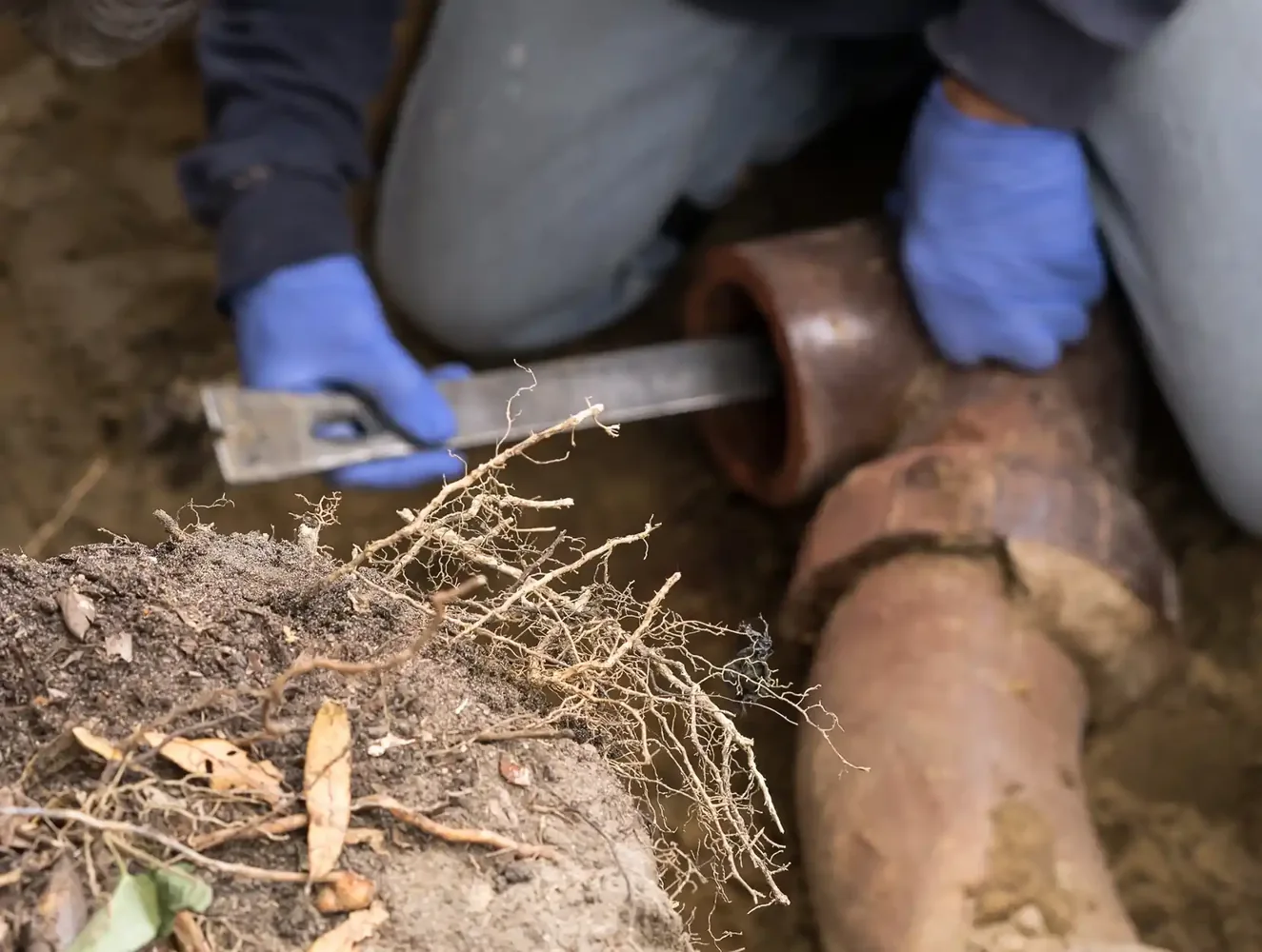
Mechanical root cutting removes intrusive growth from inside a drainage pipe. This can restore usable space for wastewater and allow a previously restricted drain to flow more freely.
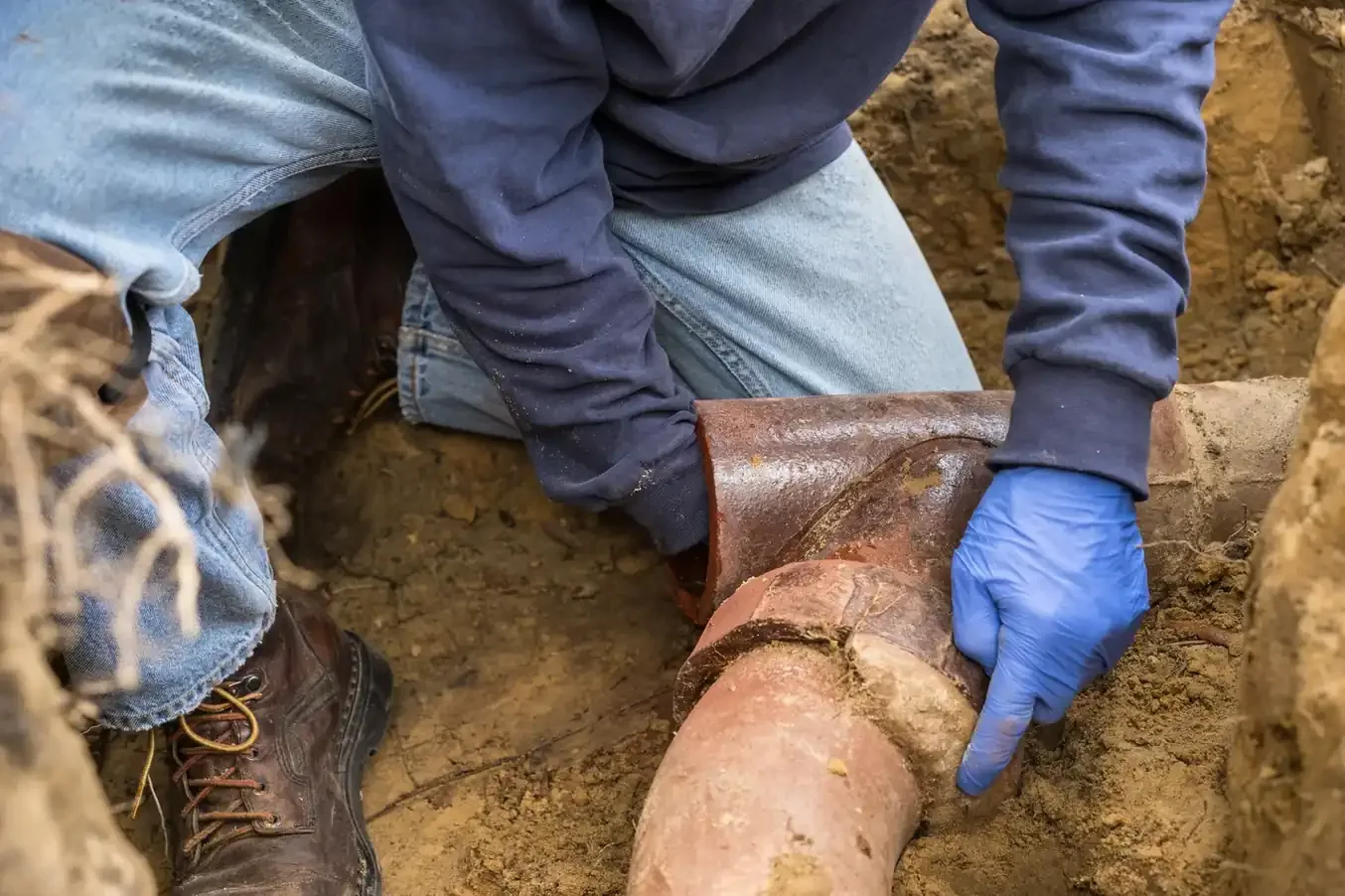
However, roots generally enter where there is an accessible opening, such as a defective joint, crack or displaced section. Removing the visible growth does not automatically correct that opening.
Even where the pipe runs normally after treatment, the underlying defect may remain. The relevant question is no longer simply whether the blockage has been removed, but whether the pipe condition makes another blockage likely.
For example, substantial roots may have concealed the edge of an open joint. Once the obstruction has been cut away and remaining debris removed, the exposed joint may show whether the surrounding pipe is intact or needs further attention.
Checking joints after root removal
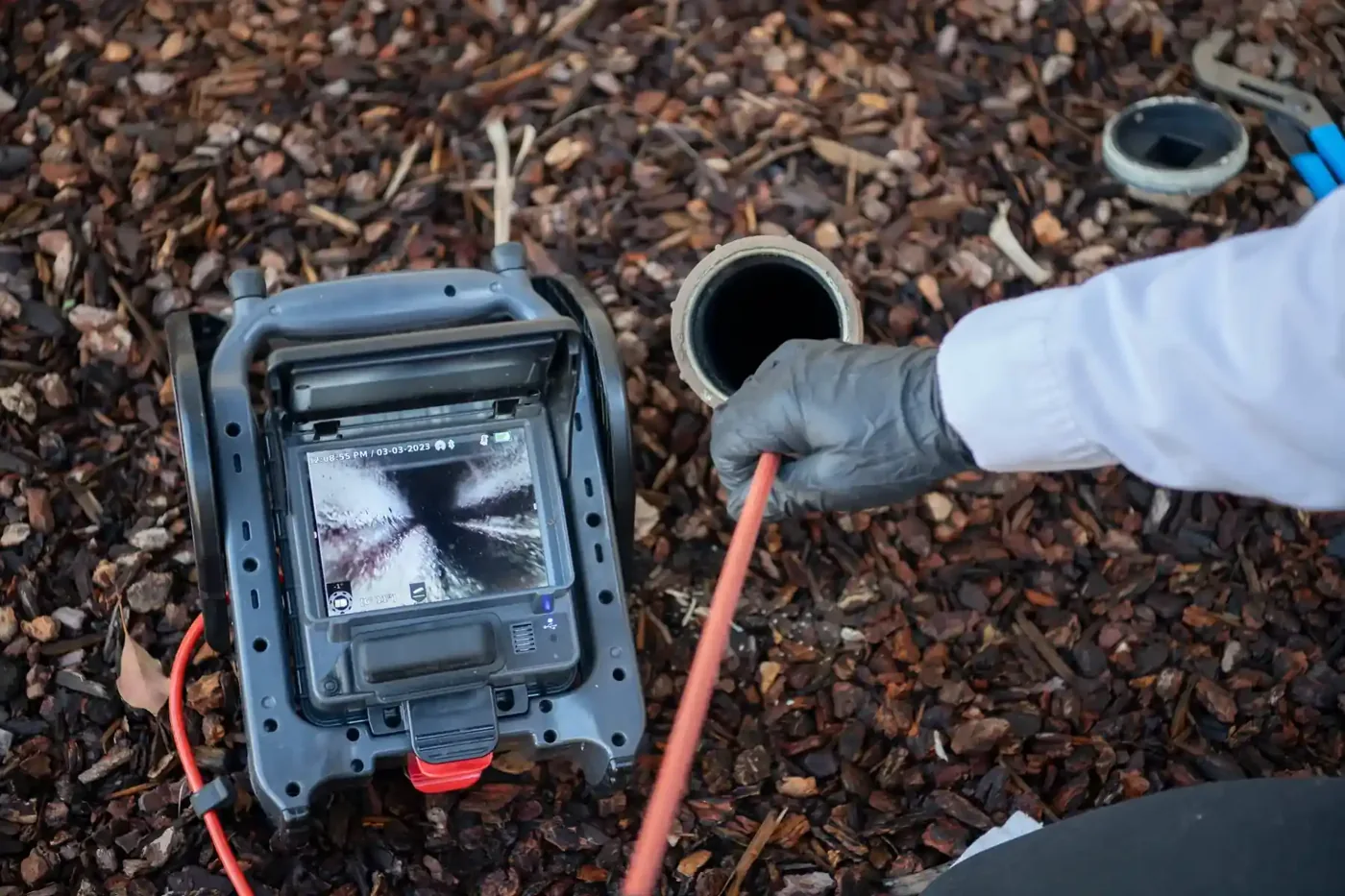
A root ingress drain survey can examine the accessible pipe interior after clearance, with particular attention to the location where roots were previously recorded.
The inspection should look beyond the immediate entry point. A useful assessment considers:
- Whether root material still obstructs the pipe.
- Whether the affected joint is visibly open or displaced.
- Whether cracks or fractures extend beyond the original obstruction.
- Whether the pipe appears deformed or has lost its alignment.
- Whether other joints along the same run show possible entry points.
In England, Approved Document H provides building regulations guidance covering below-ground drainage, inspection access and pipework arrangements. It provides useful construction context, although it does not prescribe a post-root-cutting CCTV inspection for every existing drain.
Why the first survey may have missed damage
Thick roots can conceal pipe joints and surrounding surfaces. A camera may identify the obstruction accurately without being able to assess the material underneath it.
Post-clearance CCTV can offer a more complete view once the camera can travel through the affected section. Nevertheless, residual deposits, standing water and inaccessible areas can still restrict visibility. The recorded findings should distinguish what was actually observed from what remains uncertain.
Is root regrowth inevitable?
Root regrowth is possible when a viable entry route remains, but recurrence is not inevitable in every drain.
Risk depends on the condition of the opening, surrounding vegetation, root activity and whether the original problem involved one isolated joint or several defects.
A previously affected drain that blocks repeatedly deserves closer attention than one where limited root material was discovered incidentally. The frequency of earlier clearance work is therefore useful information when interpreting a new inspection.
Drainage records can also reveal whether roots have returned to the same position. Matching observations by measured distance and chamber references is more informative than relying on a general description of recurring roots.
Choosing monitoring or further repair
Not every drain requires immediate structural repair after root removal. The decision should reflect what the post-clearance inspection actually shows.
Where the affected pipe remains visibly intact, there is little residual material and flow has been restored, monitoring may be proportionate. The inspection record provides a reference for comparison if symptoms return.
Where CCTV identifies an open joint, significant fracture or continuing ingress, further assessment of repair options is more appropriate. The condition and extent of the defect matter more than the mere fact that roots were present.
A CCTV drain survey report can provide the footage, defect locations and observations needed to compare the pipe condition before and after treatment.
The most useful outcome of reinspection is a clear answer to two separate questions: has the obstruction been removed, and is there still a visible route for roots to enter?