Drains that keep blocking after being cleared may have an underlying defect that cleaning cannot remove. Jetting or mechanical clearance can restore the flow of wastewater, but a displaced joint, intruding roots, accumulated deposits or a section of pipe with restricted flow may cause the problem to return.
The important distinction is between removing an obstruction and identifying why it formed. A drain that runs freely immediately after cleaning is not necessarily free from structural problems.
What returning blockages suggest
The timing and location of a recurring blockage provide useful clues. If the same toilet, gully or inspection chamber repeatedly backs up, the restriction may be in a particular section of the drainage system. If several fixtures are affected together, the problem may be farther along a shared drain.
A blockage that returns within days can suggest that material remains trapped or that the pipe has a pronounced restriction. One that develops gradually over several months might involve deposits accumulating on an uneven or damaged surface.
Deposits that rebuild after cleaning
Grease, scale, silt and other material can accumulate inside pipework. Cleaning removes accessible deposits, but the conditions encouraging their accumulation may remain.
For example, a poorly aligned joint can create a small ledge that catches solids. A section with insufficient fall may allow material to settle rather than travel onwards with the wastewater. An irregular internal surface can also retain deposits more readily than a smooth pipe.
The Environment Agency’s pollution prevention guidance for businesses in England identifies fats, oils, grease and solid waste as causes of blockages and potentially polluting overflows.
Physical defects beneath the obstruction
Some recurring problems originate in the pipe rather than its contents. Common possibilities include:
- Displaced joints: Misaligned pipe ends create an obstruction or allow surrounding material to enter.
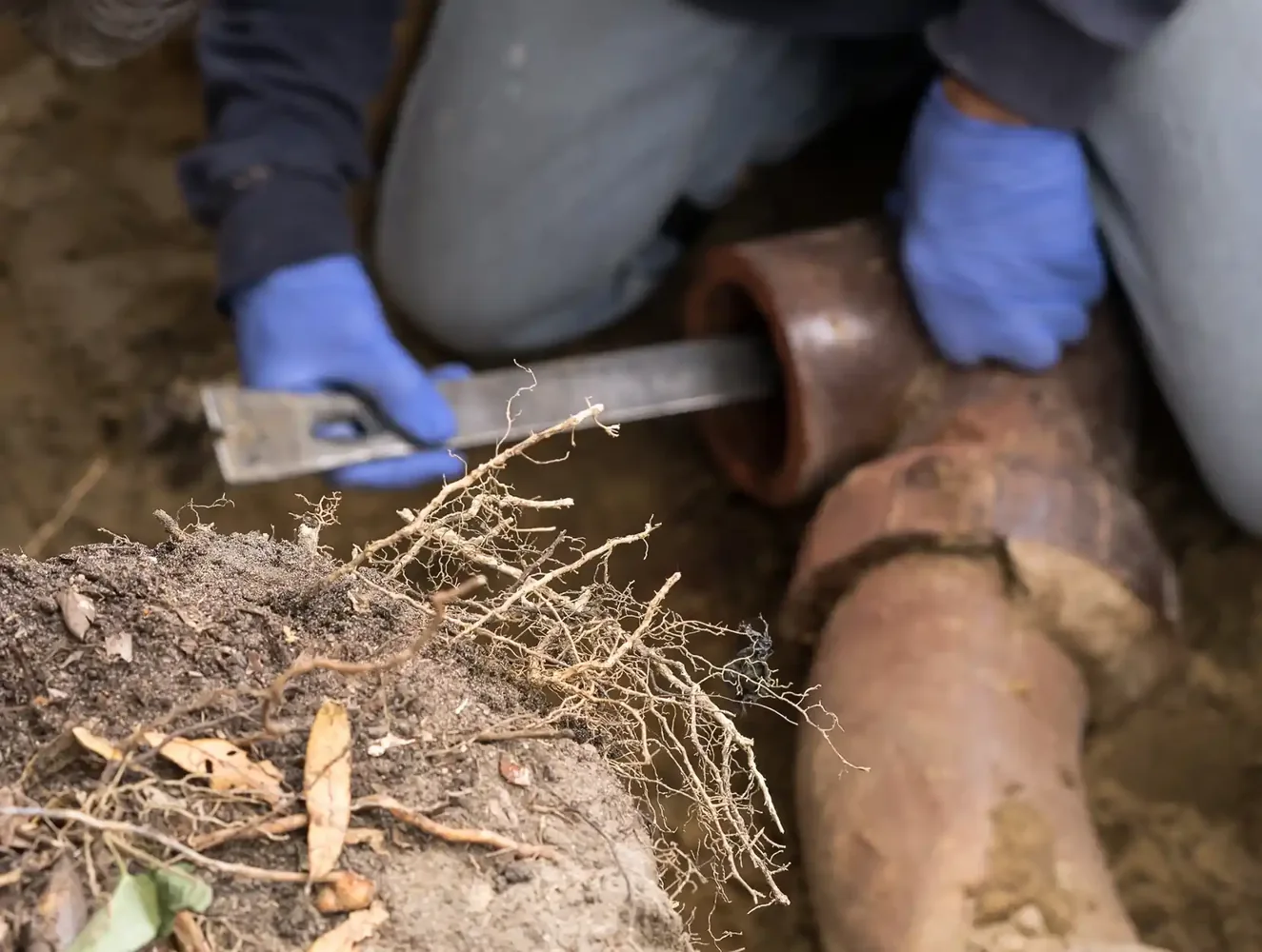
- Root intrusion: Roots entering through openings can catch passing waste and encourage further accumulation.
- Deformed pipework: A distorted section reduces the available opening and may obstruct normal flow.
- Localised settlement: Changes in alignment can create low points where sediment collects.
These possibilities have different remedies. Repeatedly clearing an affected section without understanding its condition may only produce temporary improvement.
What CCTV can distinguish after clearance
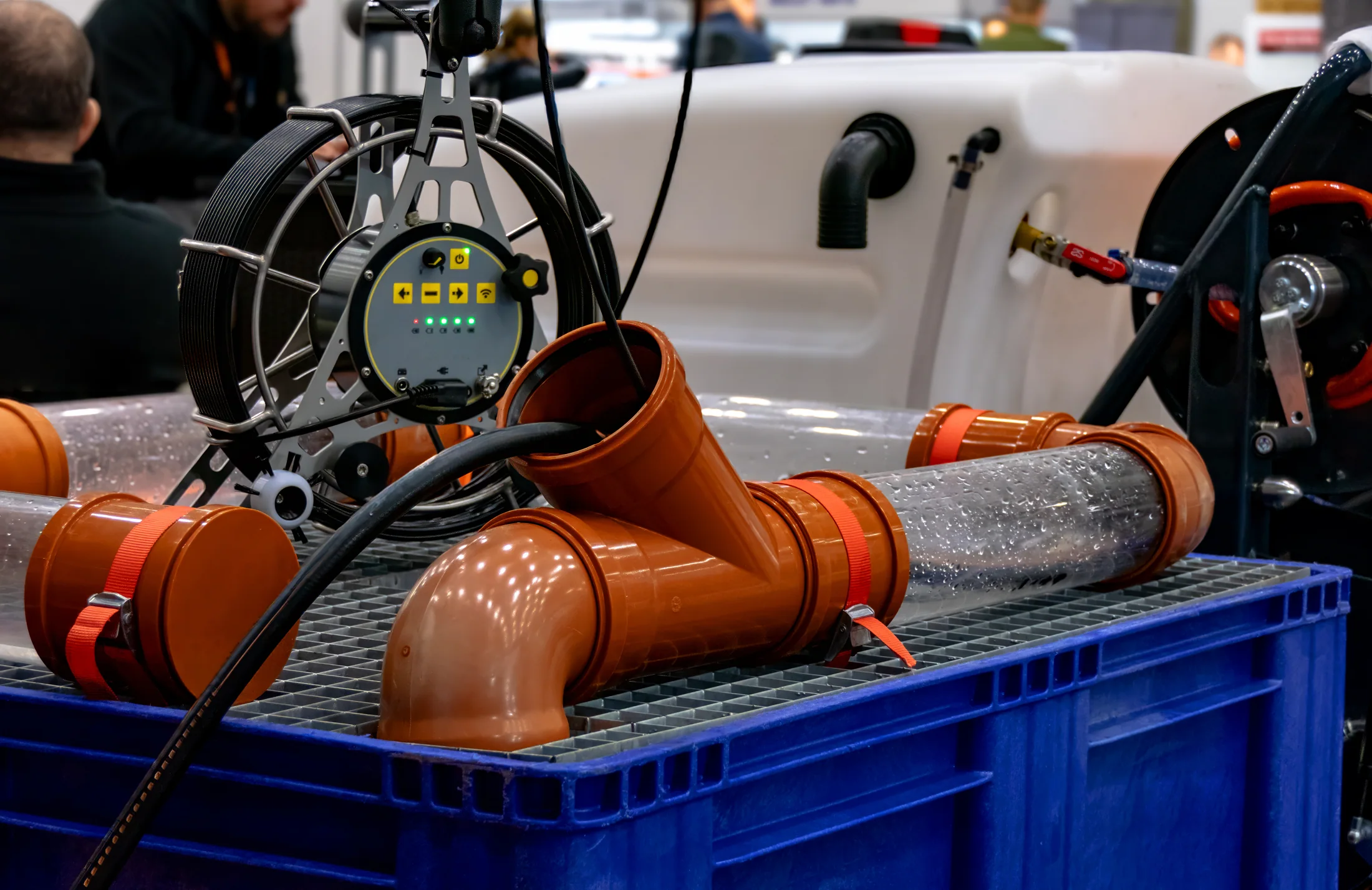
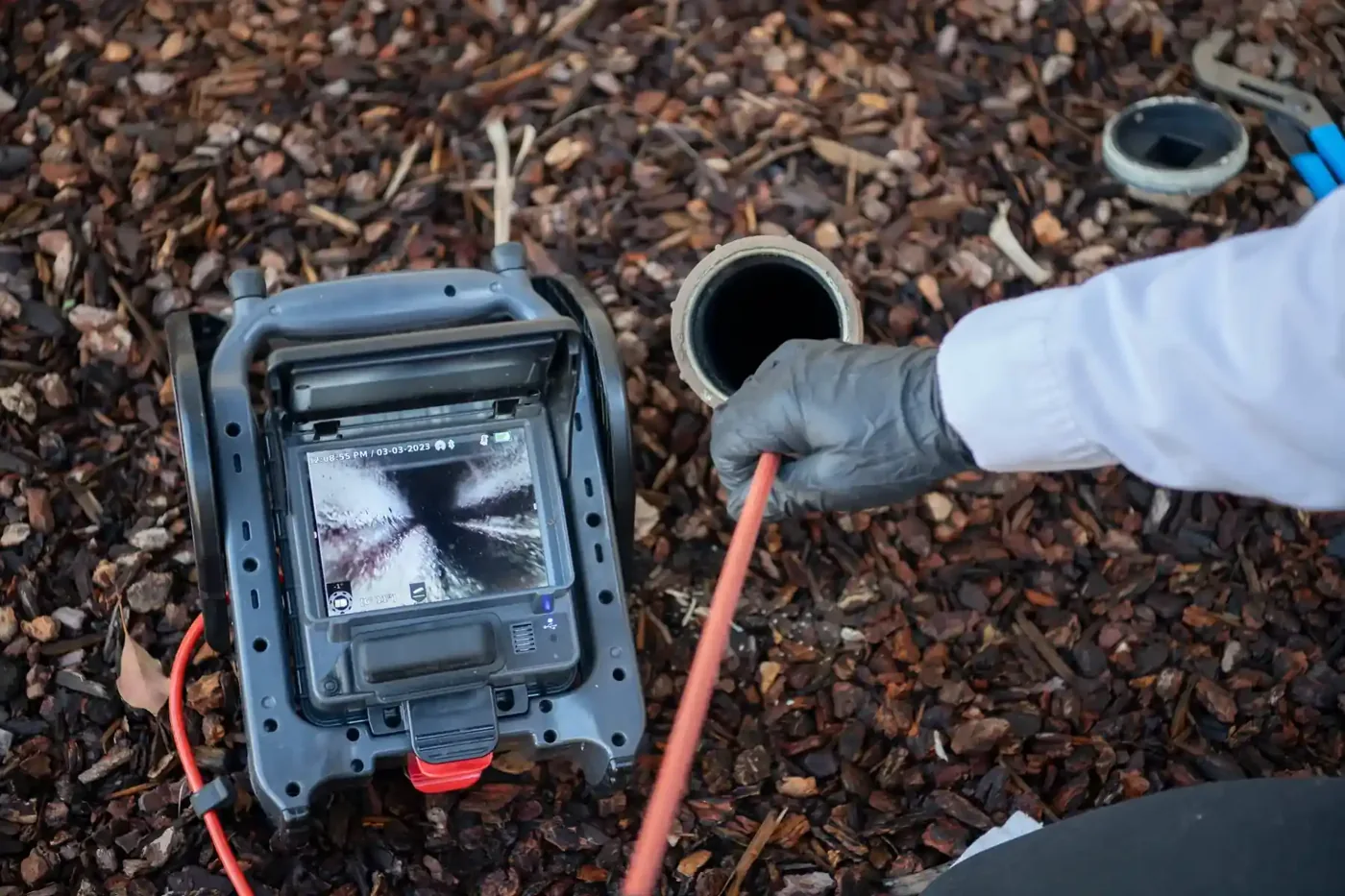
A CCTV drain inspection allows the internal condition of an accessible pipe to be examined once enough material has been removed for the camera to pass.
It can reveal deposits remaining against the pipe wall, open or displaced joints, visible root growth, fractures and changes in pipe shape. Recording the location of an observation helps distinguish a problem at one particular point from deterioration extending along a longer section.
Images can also show whether the apparent blockage is actually caused by a restriction in the pipe itself. A narrowed opening requires different consideration from a sound pipe containing removable debris.
Camera findings have limits. Submerged sections, opaque deposits and inaccessible bends can conceal defects. A visually clear passage also does not establish that the pipe has the correct gradient throughout its length.
Where a structural issue is identified, the separate guide to drain defects found on CCTV explains the types of condition that may be recorded.
When to investigate the same pipe section
Further investigation becomes particularly useful when clearance has been carried out more than once, the obstruction consistently develops in the same location, or the drainage contractor has reported resistance at a particular distance.
Keep the dates of previous clearances, the affected fixtures and any available notes about where the obstruction was encountered. These details help identify whether successive incidents concern the same section.
Where possible, an inspection shortly after cleaning gives a clearer view of the pipe wall before new deposits accumulate. The resulting evidence can inform whether another clean, targeted maintenance, structural repair or further investigation is appropriate.
The aim is to establish whether the original obstruction was the complete problem or merely a symptom of something that remains in the drain.