A CCTV drain survey can identify visible defects that may allow a drain to leak, but it cannot always confirm that water is escaping from the pipe. An open joint, fracture or hole can provide a potential leakage path. Establishing whether leakage is actually occurring, and to what extent, may require a separate test.
This distinction becomes important when investigating damp ground, unexplained water around a building or concerns about buried drainage near foundations.
Visible defects versus measured leakage
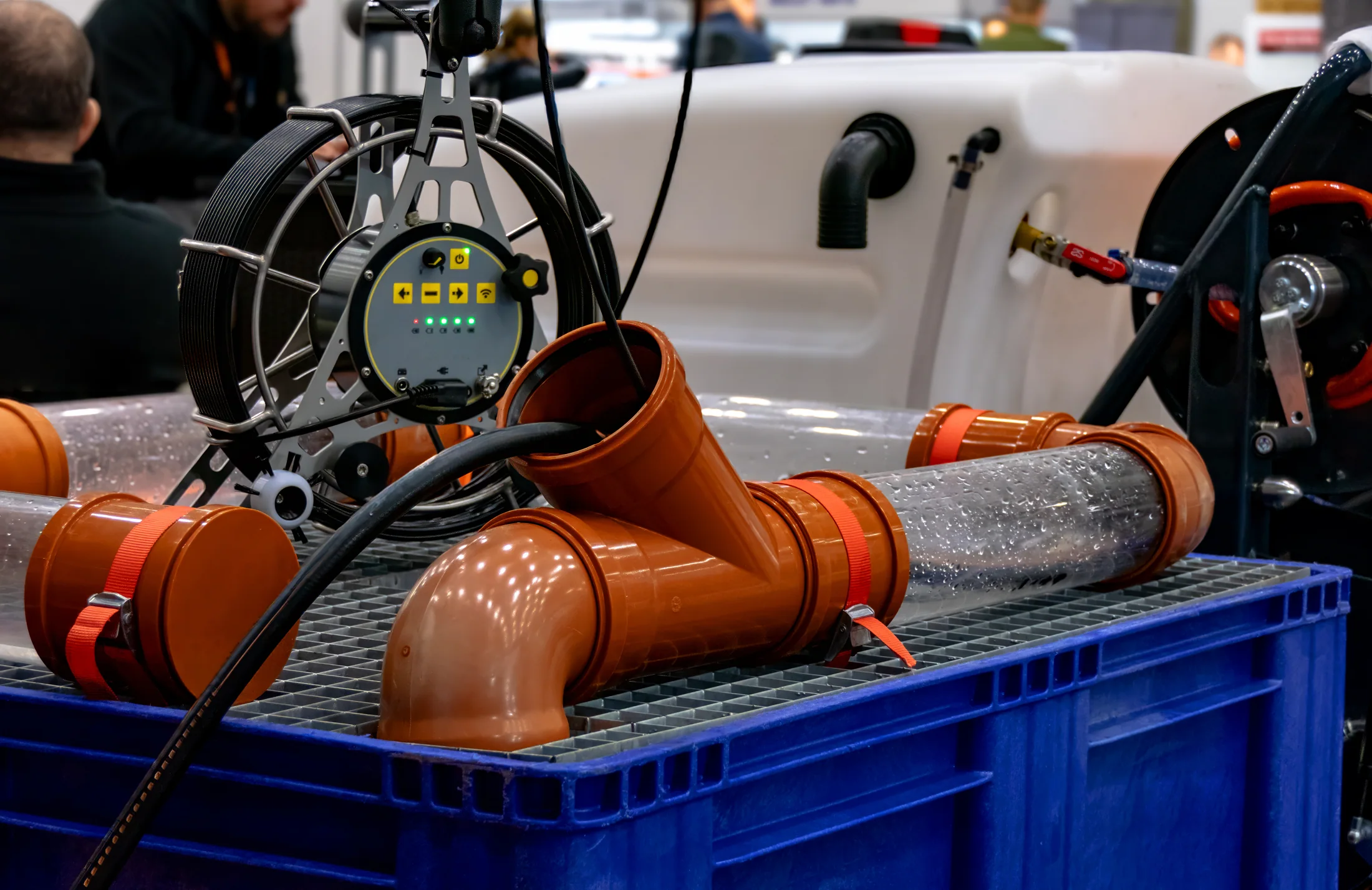
A drain camera records the internal surface of accessible pipework. It can show openings, displaced connections, broken pipe sections and visible water entering through a defect.
These observations are useful, but they represent different levels of evidence.
Finding an open joint shows that the pipe has a visible discontinuity. It does not necessarily show how much water, if any, is escaping under normal operating conditions.
Conversely, observing water entering through a joint can demonstrate inward movement at the time of inspection. That does not establish the amount of outward leakage under different groundwater levels or operating conditions.
What an open joint tells you
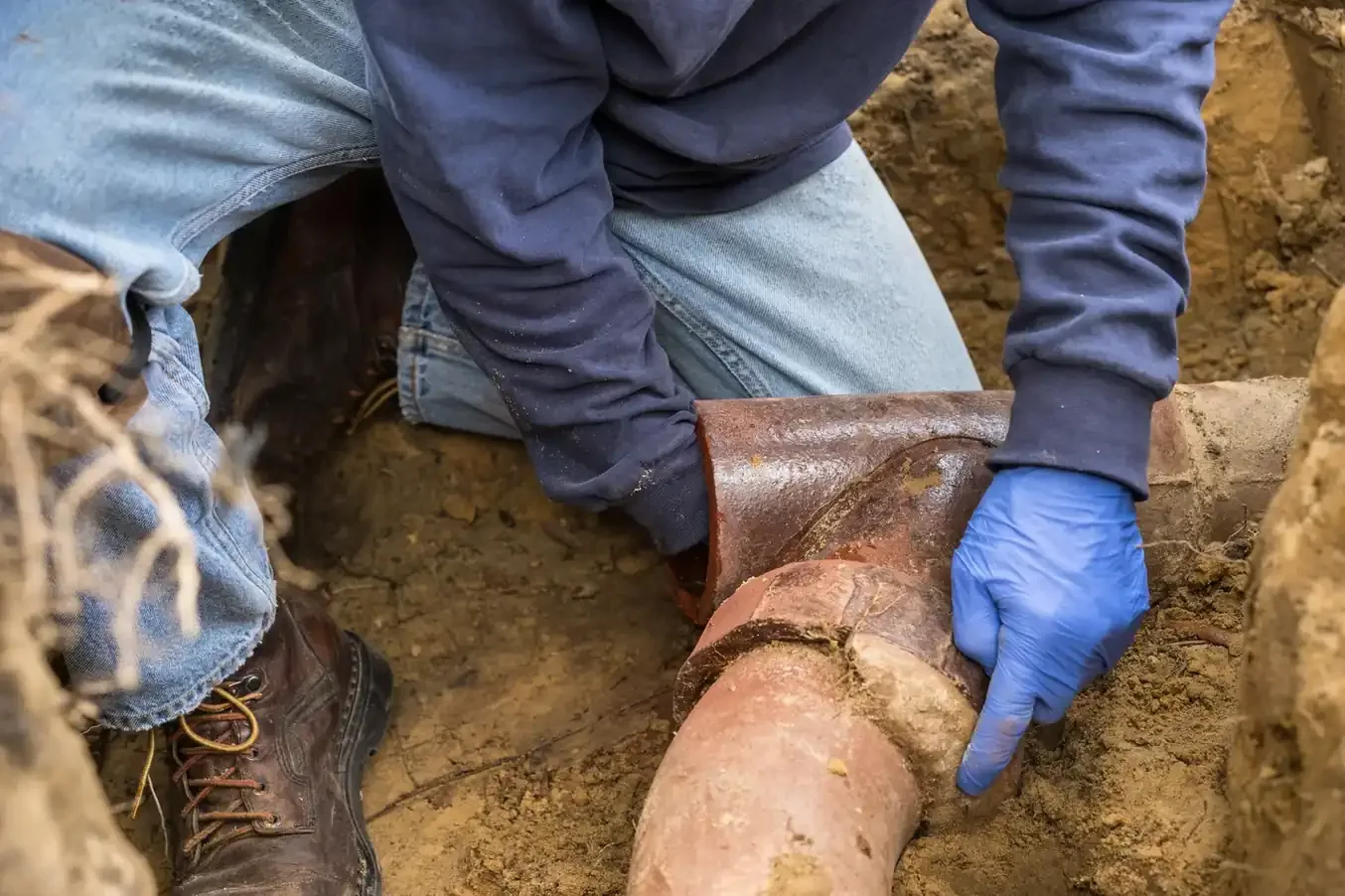
Drainage joints are intended to maintain a suitable connection between adjoining pipe sections. Settlement, deterioration or movement can compromise their condition.
A clearly separated joint may warrant investigation even where no escaping water is visible. Its significance depends on the size and nature of the opening, pipe condition, location and the purpose of the drainage system.
For drainage work in England, Approved Document H provides building-regulation guidance concerning drainage construction and testing.
A survey report should distinguish the observed physical condition from any conclusion about watertightness.
What the camera cannot establish
CCTV does not normally measure the volume of water lost through a drain wall. It also cannot directly examine the soil outside the pipe or determine whether surrounding moisture originated from the drainage system.
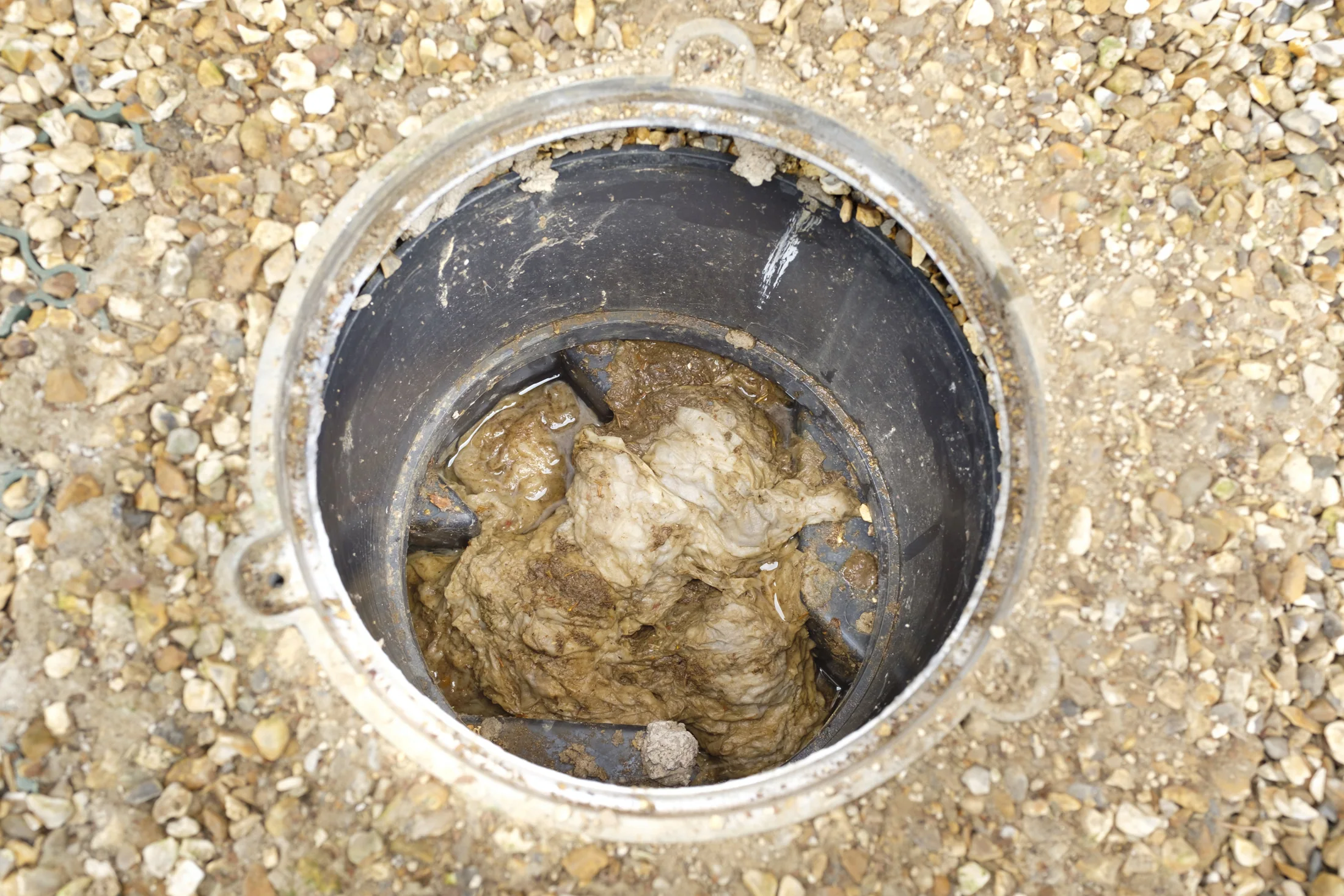
Visibility can be reduced by standing water, deposits or the position of the camera. A fine crack may remain concealed, while a joint that appears closed during inspection could behave differently under pressure or ground movement.
A drain may also leak intermittently. Changes in wastewater flow or surrounding groundwater conditions can influence whether water moves through an opening.
These limitations are particularly relevant where the suspected leak is close to a building but the camera records no obvious defect. An apparently sound image is useful evidence, not a definitive demonstration of watertightness.
Other possible causes of wet ground
Moisture near a building can have several possible sources. Surface-water runoff, plumbing supply leaks, groundwater and defective rainwater drainage may produce symptoms that resemble leakage from a foul drain.
The pattern of the problem is therefore valuable. Water appearing mainly after rainfall suggests different possibilities from persistent wetness that bears no obvious relationship to the weather.
Visible dampness alone cannot reliably identify which underground service, if any, is responsible. It is important to separate the location of a suspected problem from evidence of its cause.
When further testing changes the decision
A drainage survey can document pipe condition, accessible connections and the location of visible defects. Its findings help determine whether another test would answer a question that camera footage leaves unresolved.
Where confirming watertightness is important, a suitably specified water or air test may be considered. Such testing examines the performance of an isolated section under defined conditions rather than relying on visual appearance alone.
A test result must be interpreted against the method used, the pipe configuration and the applicable acceptance criteria. A failed test may indicate a loss of integrity without identifying precisely where the leakage occurs.
If an abnormal result is found, the CCTV record may help focus further examination on visible openings or damaged sections. Equally, an inconclusive camera survey may make testing more valuable where a definite assessment of pipe integrity is required.
For readers who need to understand how observations are documented, the CCTV drain survey report guide explains the role of recorded findings and reporting requirements.
The appropriate conclusion depends on the evidence available. A visible defect, confirmed loss of watertightness and established cause of surrounding dampness are three different findings, and should not be treated as interchangeable.