Yes. When several flats experience drainage problems around the same time, a blockage or restriction in a shared drainage pipe may explain the symptoms. Wastewater from individual flats often joins common branches before travelling towards the main sewer, so one downstream restriction can affect several properties.
However, simultaneous complaints do not prove that every affected flat shares the same blockage. The location, timing and type of symptoms help determine which part of the network should be investigated.
How shared branches create common symptoms
A block of flats may contain individual appliance connections, vertical soil stacks, underground branch drains and shared pipes serving several dwellings.
Wastewater normally travels from each flat through these connections towards a common outlet. If a restriction develops after two or more branches meet, flows from those branches can be affected together.
For example, a blockage in a pipe serving the ground-floor and first-floor flats might cause slow drainage or backing up in fixtures connected upstream of that point.
Gravity drainage also means the lowest connected outlets can show symptoms first. Wastewater backing up through a ground-floor fixture may therefore indicate a restriction some distance away from that particular bathroom or kitchen.
By contrast, a single slow-draining basin with no problems elsewhere may indicate a local appliance or branch issue.
What the pattern of complaints reveals
For facilities managers, the first useful evidence is a record of which flats are affected and what occupants are experiencing.
The following distinctions can help narrow the likely location:
- One fixture in one flat: The restriction may be close to that appliance.
- Several fixtures in one flat: A branch serving that dwelling may be affected.
- Several flats connected to one stack: A shared stack or downstream branch becomes a possible cause.
- Multiple stacks affected: A common underground drain or downstream sewer restriction should be considered.
The timing is equally important. Complaints occurring immediately after neighbouring flats use their facilities may suggest that wastewater is struggling to pass through a shared section.
Facilities teams should also establish whether problems are confined to foul drainage or involve rainwater connections, as these systems may follow different routes.
Locating the likely restriction
Once the affected flats are identified, their drainage connections can be compared with available building drawings and inspection chamber locations.
The objective is to find the first likely common section downstream of the affected branches. This is generally more informative than examining unrelated pipework throughout the building.
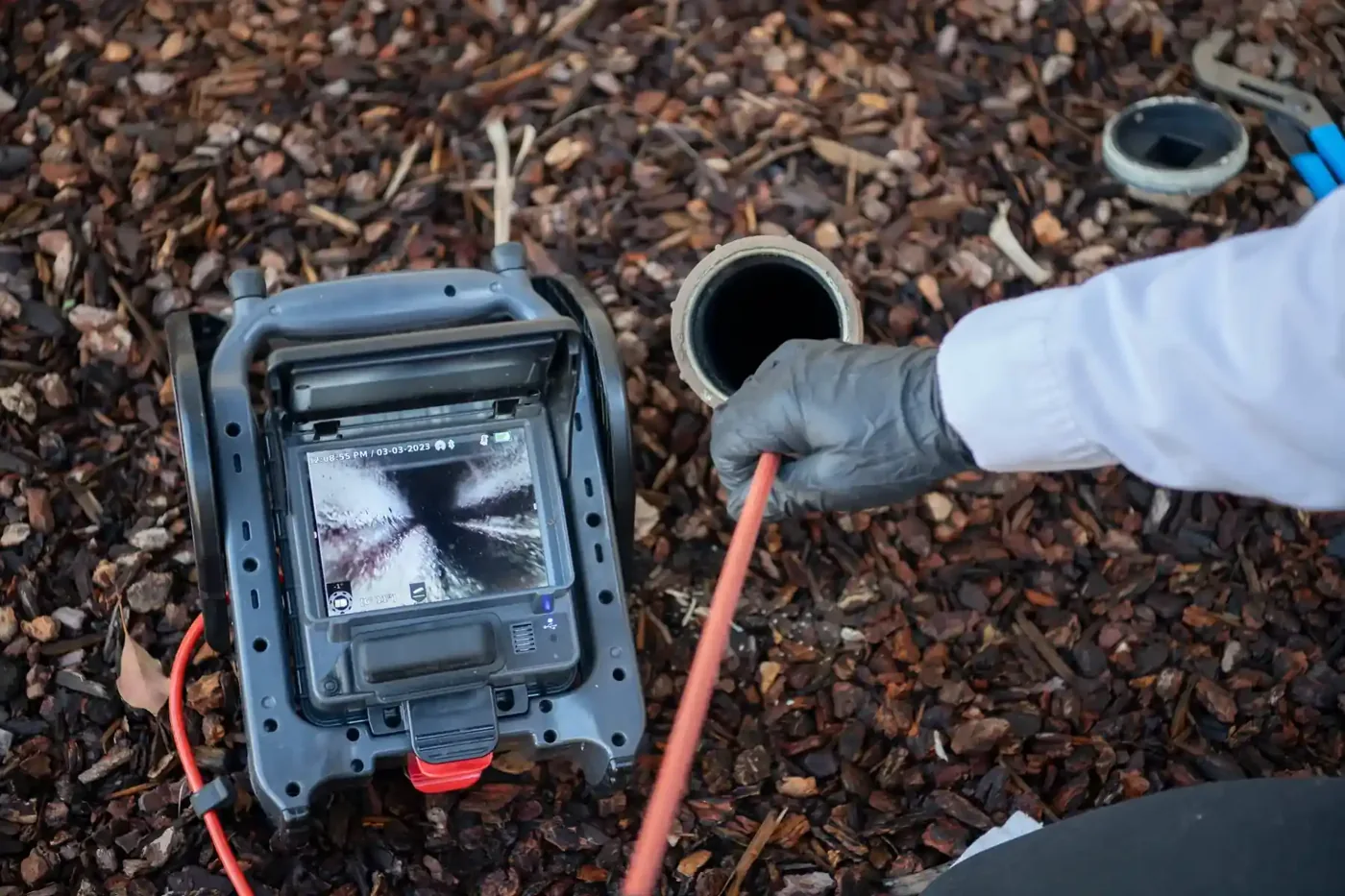
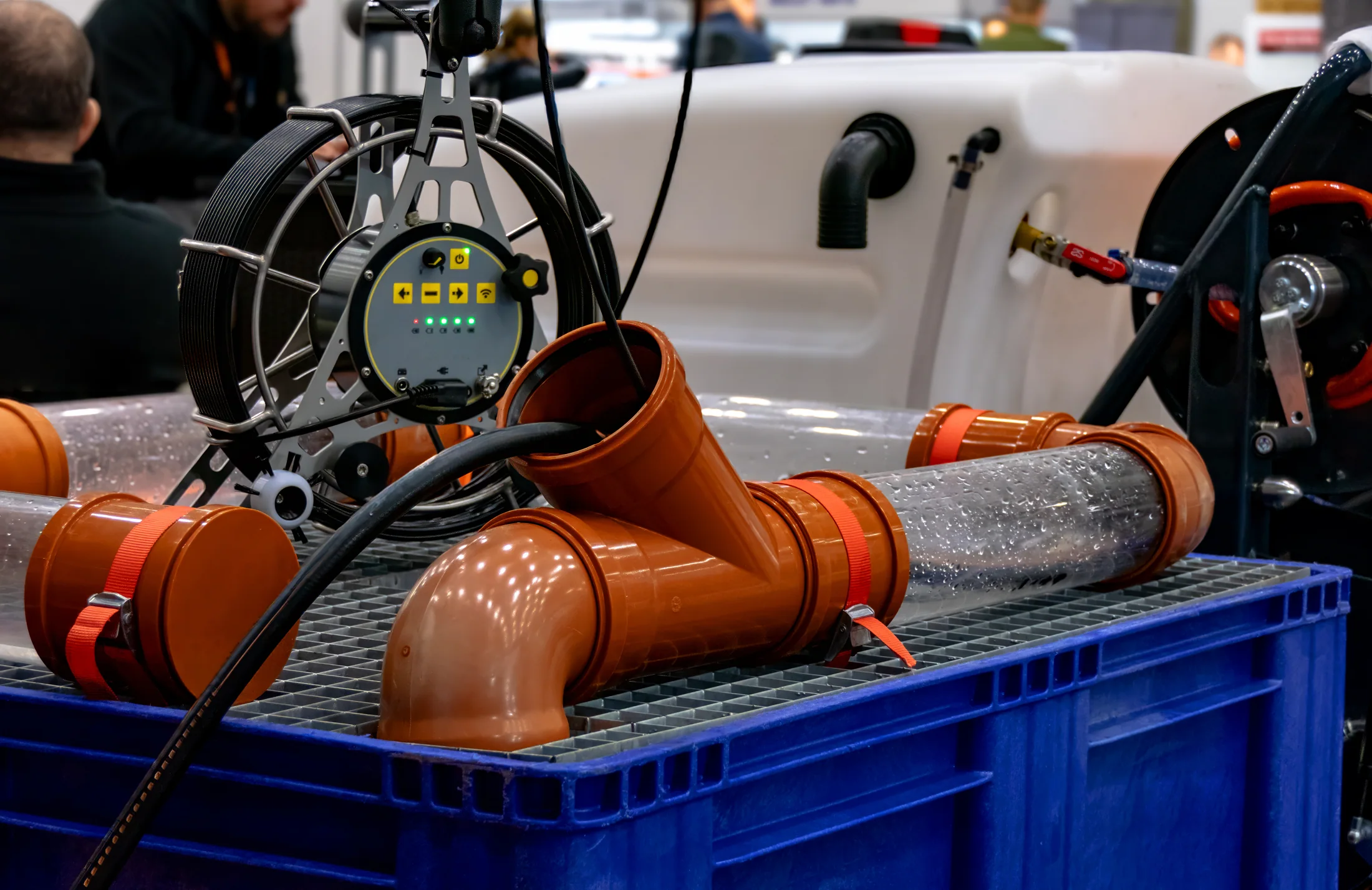
A drain survey for facilities management can examine accessible drainage runs for visible restrictions, defects, sediment and other conditions that may affect flow.
Where CCTV identifies a blockage, its position can be related to chamber references and the affected flats. If the network is undocumented, drain mapping may help establish the relevant branches and connections.
It is important to remember that a clear underground section does not rule out a restriction in an internal stack or an upstream branch that the camera has not examined.
Who is responsible for a shared drain?
Responsibility depends on the location and status of the pipe, not simply on how many flats use it.
In England and Wales, the 2011 private sewer transfer arrangements brought many qualifying previously private sewers and lateral drains into public ownership. The government’s explanation of the transfer regulations provides the historical framework.
However, not every shared pipe is public or adopted. More recent developments, internal plumbing and certain private drainage arrangements may remain outside that transfer.
Buckinghamshire Council’s drainage responsibility guidance distinguishes private drains, internal plumbing and sewers maintained by sewerage undertakers.
Building ownership, drainage records and adoption status should therefore be checked before assigning responsibility for an underground repair.
Selecting the inspection section
The most productive inspection usually starts with a defined question: which shared section could affect all the reported flats?
For a single affected stack, the investigation might concentrate on its base connection and the downstream branch. Where several stacks are affected, the common underground run becomes more relevant.
Records should identify both inspected sections and any inaccessible branches, so an unresolved problem is not mistaken for a clear network.
By combining occupants’ reports with the drainage layout and observed pipe condition, facilities managers can distinguish isolated plumbing faults from restrictions affecting the wider building.