
CCTV drainage surveys
CCTV Drain Survey Kent
CCTV drain surveys in Kent for blocked drains, house purchases, new developments and rural properties, with camera inspections to identify defects and establish drain routes.
Request a quote
Complete the form and we will get back to you.
CCTV drain surveys across Kent
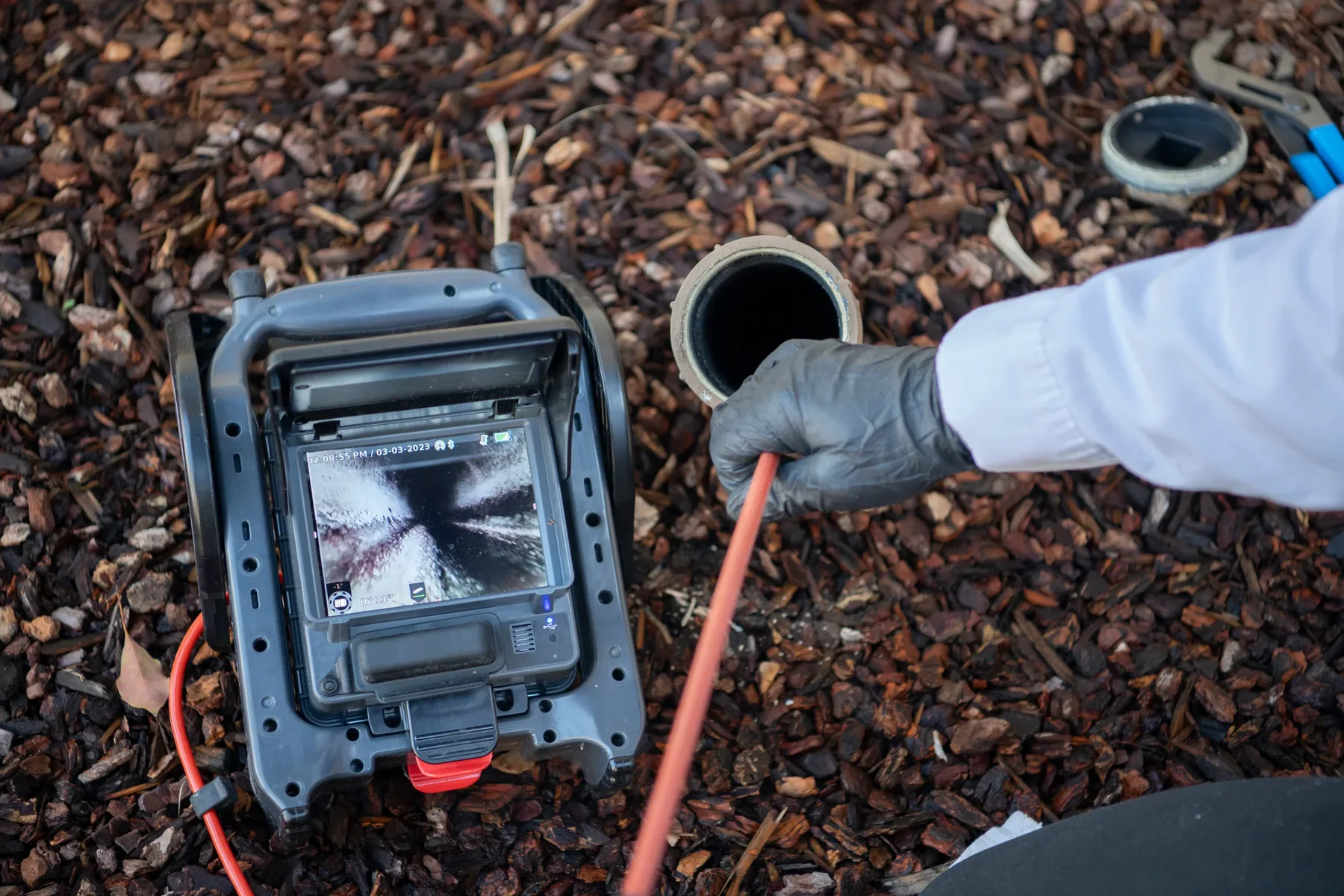
Whether the drains at a Kent property keep blocking, smell unpleasant, are being checked before a house purchase or are due to be built over, a CCTV drain survey can help establish their condition without digging them up. A camera is passed through accessible drain runs from inspection chambers or suitable access points. The inspection can identify defects, connections and obstructions, with any sections that cannot be inspected recorded in the findings.
Properties across Kent have different drainage arrangements. Older terraces may have clay pipes and shared drainage, newer estates can have more complicated networks of connections, and rural houses may drain to a septic tank or sewage treatment plant. The survey needs to establish what is actually connected before the condition of the pipes can be properly assessed.
- Two sewer companies: Southern Water serves most of Kent, with Thames Water responsible for some public sewers around Sevenoaks and Dartford.
- Adoption surveys: CCTV inspections can provide condition evidence for new sewers where required by the Section 104 adoption agreement.
- Off-mains drains: Camera inspections can identify defects and help establish the route of accessible drains leading to septic tanks.

Southern Water and Thames Water in Kent
Southern Water provides sewerage services across most of Kent, but Thames Water also operates public sewers in some areas, including Sevenoaks town and parts of Dartford. Sewer records and the position of individual connections can help establish which undertaker is responsible for a particular public sewer.
This distinction matters when inspecting a private drain that connects to a public sewer. A camera inspection can show the condition of accessible pipework, but identifying responsibility for an individual section may also require checking sewer records and property drainage information.
New developments and Section 104 adoption
On new housing developments, drainage inspections can identify problems before sewers are considered for adoption. Section 104 of the Water Industry Act 1991 provides for agreements under which a sewerage undertaker may adopt sewers constructed in accordance with the agreement.
CCTV inspection requirements depend on the adoption agreement and the relevant sewerage undertaker’s specifications. Our Section 104 adoption CCTV survey page explains this type of inspection.
The camera can reveal construction debris, displaced joints, damaged pipes and standing water. These findings help establish whether further investigation or remedial work is needed. Inspection footage also provides a record of the visible pipe condition at the time of the survey.
Rural properties off the mains sewer
Some rural properties in Kent discharge to septic tanks or small sewage treatment plants rather than the public sewer network. If the drain between the house and the tank is repeatedly blocking, a camera inspection can help identify root intrusion, damaged joints, deposits or a collapsed section.
Access is important on these properties. Inspection chambers may be hidden beneath paving or vegetation, and older drainage layouts are not always documented. Where suitable access is available, a survey can help establish the route and condition of the connecting pipework. Drain mapping can provide a clearer record of the drainage layout when the route is uncertain.
The camera survey concerns the connecting drains rather than emptying or servicing the tank. Information about the requirements for septic tanks and small sewage treatment plants is available in GOV.UK’s septic tank guidance.
Older town houses and homebuyer surveys
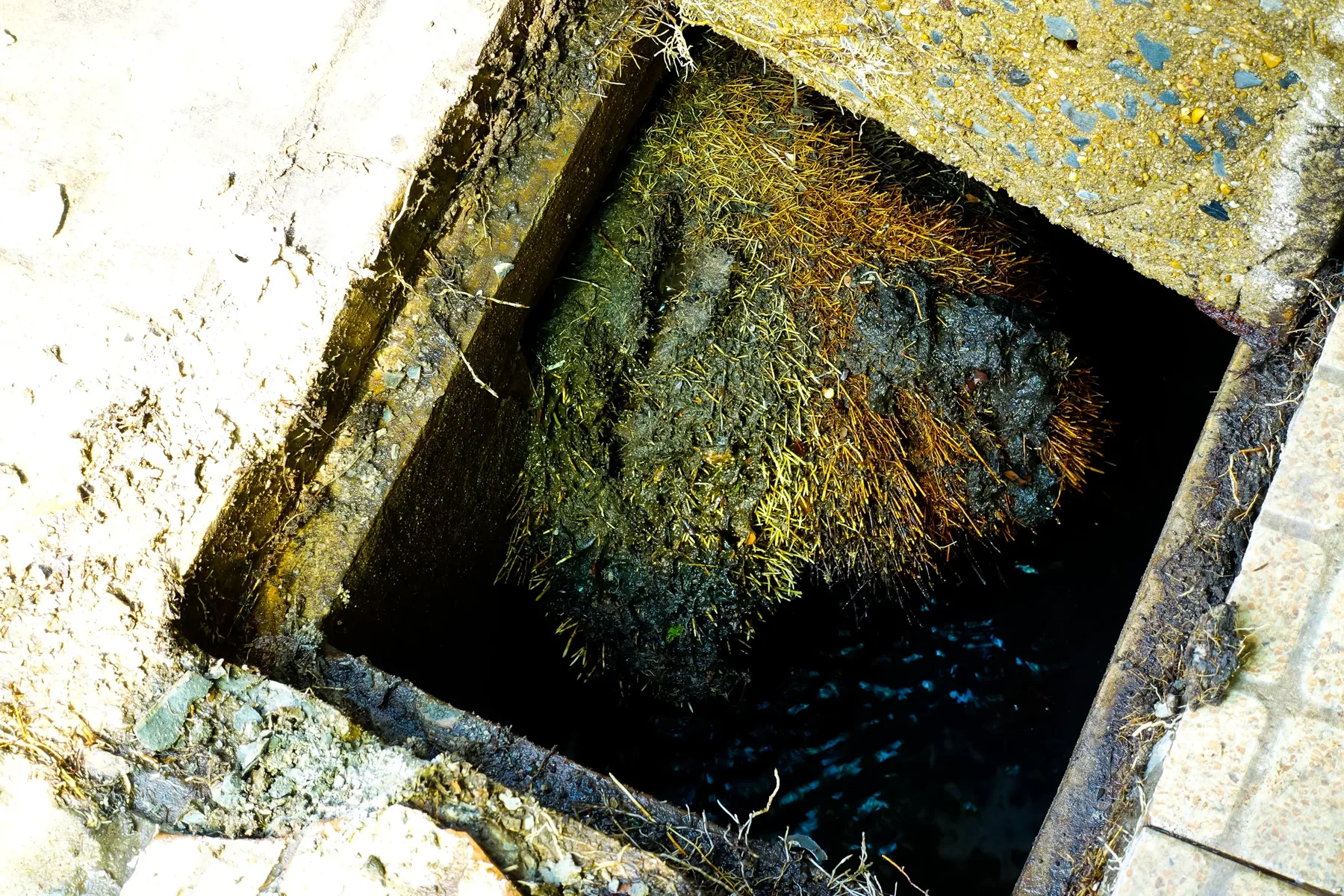
Older properties in Kent may have clay drains, shared pipework and connections that have been altered during extensions or other building work. Joints can become displaced, tree roots can enter damaged sections, and deposits may build up where the pipe has a poor fall.
A homebuyer drain survey before exchange can help identify defects that would not be visible during a standard building survey. It can also establish which accessible runs were inspected and whether further checks are needed.
Where an extension is planned over existing drainage, establishing the pipe route and the position of inspection chambers can help inform the proposed layout. The survey may also show whether a drain is shared or connects to a larger sewer, although ownership must be checked separately.
What the survey records
A CCTV inspection provides a view of the inside of the drain, rather than relying on assumptions about its condition from the surface. The information available depends on access, the condition of the pipe and the equipment used during the inspection.
- Accessible pipe runs between inspection chambers or other suitable entry points
- Pipe material and visible condition, including clay, concrete or plastic
- Cracks, open joints, deformation, roots and deposits
- Connections and branches visible during the inspection
- Drain routes and depths where these can be established
- Obstructions or sections that the camera could not pass
If a camera cannot pass a blockage or damaged section, the inspection may still help establish where the problem is and what is visible at that point. Further investigation may be needed to assess the pipe beyond it.
Arranging a drain survey in Kent
When asking about a survey, it helps to provide the property location, the reason for the inspection and any details already known about the drainage. For example, recurring blockages, a proposed extension, an older shared drain or an unidentified septic tank connection may call for different inspection work.
For properties over the border in the capital, see CCTV drain surveys in London, or the full list of areas we cover.
Free online tool
Build Over Agreement Checker
Check what to ask your sewerage company before building near a drain or sewer.
Common questions
CCTV Drain Survey Kent: common questions
Is my Kent property on Southern Water or Thames Water sewers?
Southern Water provides sewerage services across most of Kent, but Thames Water also operates public sewers in some locations, including Sevenoaks town and parts of Dartford. Sewer records for the property can help establish which company is responsible for the public sewer serving the address.
Can you survey the drain to my septic tank?
A CCTV camera can inspect the connecting drain where suitable access is available. It may identify roots, damaged joints, deposits or a collapsed section. The inspection can also help establish the pipe route where drainage records are missing. Emptying or servicing the septic tank is a separate job.
Do new-build sewers need a CCTV survey before adoption?
CCTV inspections are commonly required as part of the sewer adoption process, but the requirements depend on the Section 104 agreement and the relevant sewerage undertaker's specifications. The inspection can identify defects such as construction debris, displaced joints and standing water.
How long does a drain survey take on a rural property?
The inspection depends on the number and length of drain runs, available access points and whether the route is already known. Buried inspection chambers, inaccessible sections and unidentified connections can make the inspection more involved. The extent of the survey will depend on what can be accessed and inspected.
Do I need a drain survey when buying an older house in Kent?
It is worth considering where a property has older clay drains, shared pipework, recurring blockages or trees near the drainage. A standard building survey does not normally inspect the inside of underground drains. A CCTV inspection before exchange can help identify visible defects and clarify the condition of accessible pipework.
Request a quote
Complete the form and we will get back to you.