A factory yard can flood even when its underground drains are clear because the drainage system cannot always accept or carry rainwater as quickly as it arrives. The problem may be restricted gullies, insufficient pipe capacity, an overloaded downstream connection or the way water flows across the yard.
For industrial premises, this distinction matters. Repeatedly clearing an unobstructed pipe will not resolve a problem caused by excessive runoff or poor surface drainage. The first task is to establish where water stops moving freely.
Clear pipes can still flood
Most factory yards contain large areas of concrete or asphalt. Unlike permeable ground, these surfaces allow relatively little rainfall to soak away. Water instead travels towards gullies, channels and drainage connections.
During prolonged or intense rainfall, the volume entering the system may exceed its hydraulic capacity. This is the amount of water the drainage network can convey under particular conditions.
The Environment Agency explains in its surface water flood risk guidance for England that flooding occurs when rainfall overwhelms local drainage systems. A pipe can therefore be structurally sound and free of debris while still being unable to accommodate peak flows.
Changes to a factory site can make this more noticeable. An extension, additional hardstanding or altered yard levels may direct more water towards an existing drainage connection. A system that previously performed adequately may then struggle during heavy rain.
Separating inlet and capacity problems
The location and timing of flooding provide useful clues about where the restriction might be.
Water collecting around individual gullies
Localised yard ponding may indicate that rainwater cannot enter the drainage system quickly enough. Leaves, packaging, sediment or debris can restrict a gully even when the connecting pipe remains clear.
Channel drainage presents similar problems when grates or collection points become obstructed. A clear underground pipe is of limited benefit if the water cannot reach it.
Several gullies backing up together
When multiple drainage points surcharge during the same rainfall event, the cause may lie further downstream.
A common connection could be undersized, partially restricted or affected by elevated water levels in the receiving system. Water then accumulates upstream, sometimes emerging through gullies that are themselves unobstructed.
Importantly, simultaneous flooding does not automatically prove that the main pipe is blocked. Its available capacity may simply be insufficient for the incoming flow.
Water gathering away from drains
Standing water in isolated low areas can indicate a surface-level problem rather than an underground defect. Yard settlement, uneven falls or changes caused by resurfacing may prevent runoff from reaching the nearest inlet.
These patterns should be considered alongside the drainage layout before deciding which sections require investigation.
When inspection answers the right question
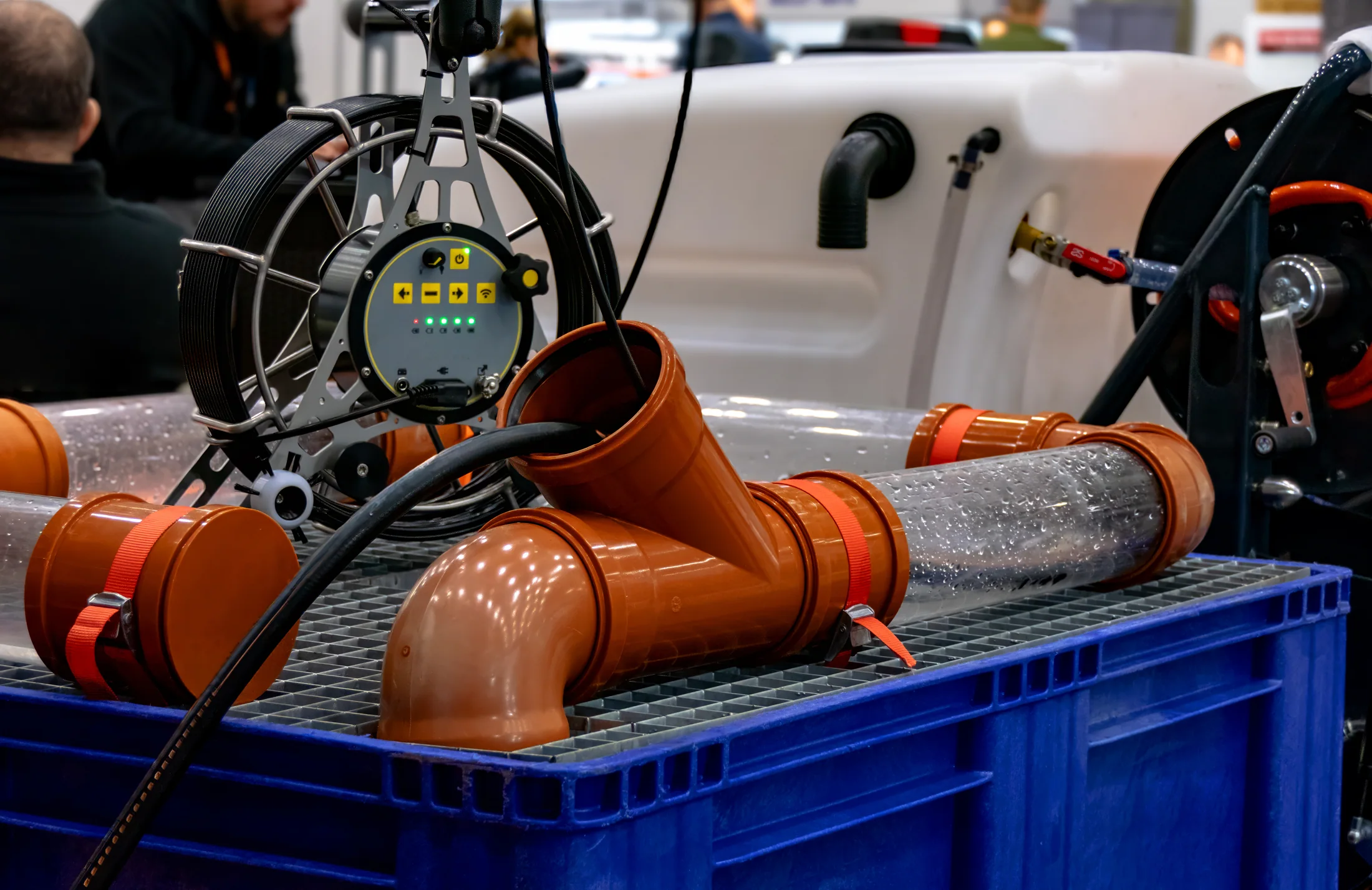
A CCTV inspection can help determine whether the underground network contains a physical restriction or defect. For an operational factory, drain surveys for industrial sites can examine accessible pipework and establish whether visible conditions could be contributing to flooding.
Relevant findings include:
- Accumulated silt restricting the internal pipe diameter.
- Displaced joints or deformation reducing the available opening.
- Collapsed sections or material obstructing the flow path.
- Unexpected connections affecting how water moves through the system.
- Standing water that suggests a possible alignment or downstream problem.
However, CCTV footage alone cannot establish the maximum flow a drainage system can carry. A clear inspection does not prove that the drainage capacity is adequate during a storm.
Where connections are uncertain, drain mapping can help establish the accessible network layout. Hydraulic assessment, rainfall information and site levels may also be needed if capacity remains the likely cause.
Deciding what needs attention
The appropriate response depends on the evidence. A restricted gully may need maintenance, while a damaged underground section may require repair. A capacity problem calls for assessment of the wider drainage arrangement rather than repeated clearance.
Factory managers should record which areas flood, how quickly water accumulates and whether several gullies are affected together. Photographs taken during rainfall can be particularly useful when the system appears normal afterwards.
Identifying whether the limitation is at the inlet, inside the pipe or further downstream makes it easier to investigate the actual cause of recurring yard flooding.