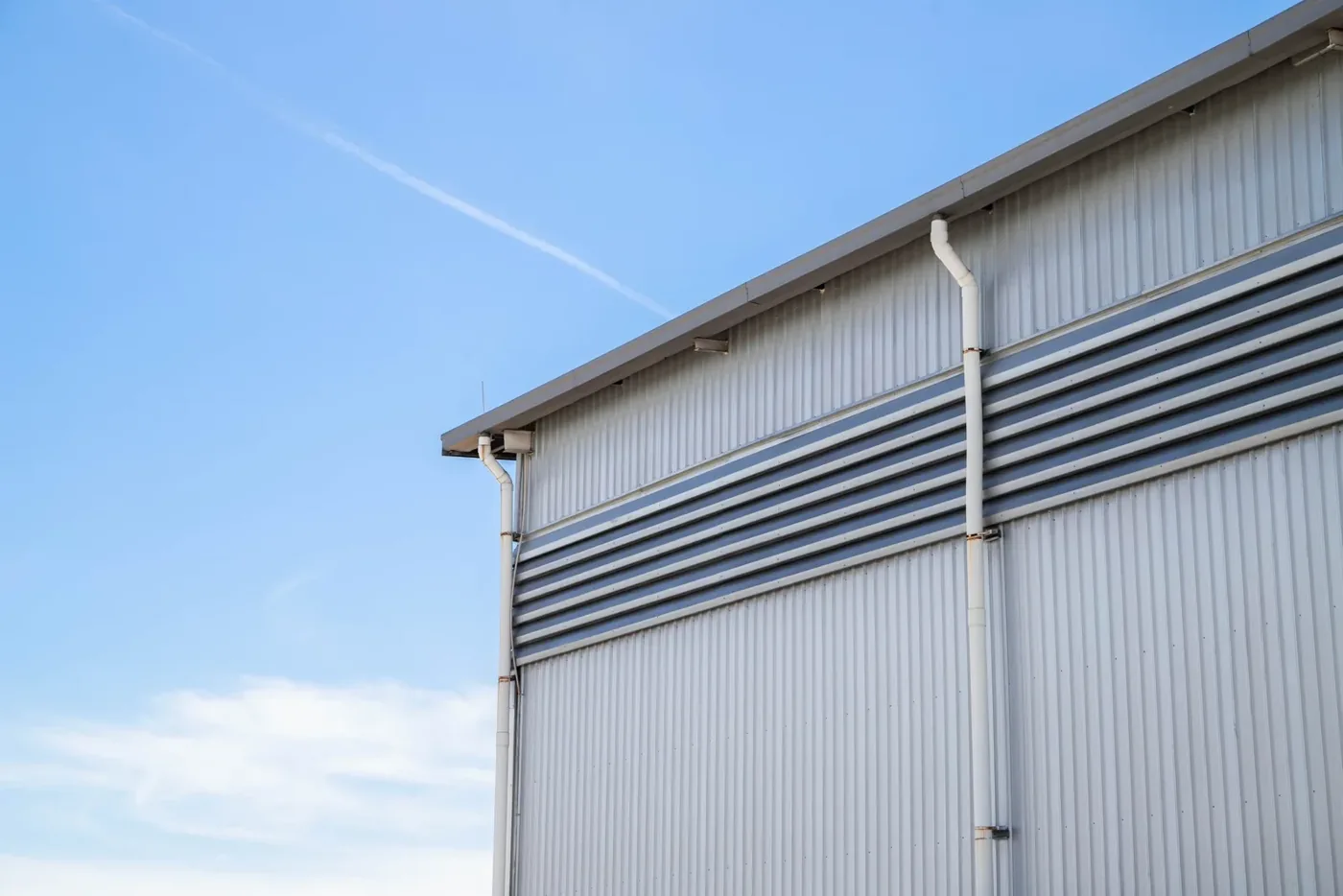
To identify rainwater entering a foul drain through a suspected wrong connection, the route from the roof downpipe, yard gully or other rainwater outlet needs to be traced to its receiving drainage system. Dye tracing, chamber observations and drainage records can help establish where the water travels. A CCTV camera on its own cannot always prove the final discharge destination.
Unexpected rises in foul drain levels during rainfall are a reason to investigate, particularly where drainage alterations or building extensions have taken place.
Why rainfall affects foul drainage
Foul drainage carries wastewater from toilets, sinks, showers and similar fixtures. Surface-water drainage carries rainfall from roofs and paved areas. In a separate drainage arrangement, these flows are intended to use their designated systems.
A combined sewer is different: it is designed to receive both foul wastewater and surface water. Finding rainwater in a combined system is therefore not automatically evidence of a wrong connection.
For new drainage work in England, Approved Document H provides building-regulation guidance covering foul drainage and rainwater disposal. Existing arrangements can vary according to the drainage system serving the property.
How a rainwater misconnection develops
An incorrect connection may date from alterations to an existing property. A new roof outlet, relocated downpipe, converted yard or extension can change how surface water reaches the underground drains.
If the available connection points were not correctly identified, a rainwater pipe may have been connected into a foul-only drain. The mistake can remain unnoticed in dry weather because the pipe carries little or no water until it rains.
During heavy rainfall, the additional flow may contribute to high levels in inspection chambers or surcharge from a restricted system. However, similar symptoms can arise from downstream blockages, groundwater entering defective pipes or an already overloaded sewer. Wet-weather backing up is a clue, not proof of a misconnection.
Tracing connections and understanding test limitations
Investigation begins by identifying the suspected source and the inspection points where its discharge might become visible. Existing drawings can help, although they should be treated as a starting point rather than confirmation of the installed route.
With suitable access and test conditions, drain dye testing can be used to follow water introduced at a selected outlet. Observing the tracer at a known downstream chamber can establish a connection between those points.
A meaningful result depends on knowing what that receiving chamber connects to. Finding coloured water in a nearby pipe does not, by itself, prove that the ultimate destination is a foul sewer.
Where the downstream route remains uncertain, additional observations or drain mapping may be needed to identify the relevant branches.
What CCTV adds to the investigation
CCTV can show internal junctions, pipe direction, structural condition and accessible branch connections. It is particularly useful where several underground pipes meet or a route cannot be followed visually from the surface.
Its limitation is that a junction seen on camera does not automatically identify what enters every branch or where all connected pipework eventually discharges. Dye tracing and physical route investigation answer those separate questions.
Access restrictions, dilution and changes in flow can also affect tracing results. An inconclusive test should be recorded as such rather than interpreted as evidence that a connection is correct.
Choosing the next investigation
Before arranging further investigation, establish which roof areas, gullies or altered sections are suspected. Note which chambers rise during rainfall and whether the problem occurs only in intense showers or more routinely.
For a single downpipe with accessible inspection chambers, a focused connection trace may answer the question. A property with several extensions, buried branches or incomplete records may need a broader assessment of the drainage layout.
When an incorrect connection is established, the required alteration depends on the property and its approved drainage arrangements. The appropriate receiving system should be identified before any physical change is specified.
The useful outcome is a demonstrable route from the rainwater source to its receiving system, with any unverified sections clearly distinguished from confirmed connections.